Finding the Right Shoulder Brace: Fit, Compression, and Adjustability Matter Most
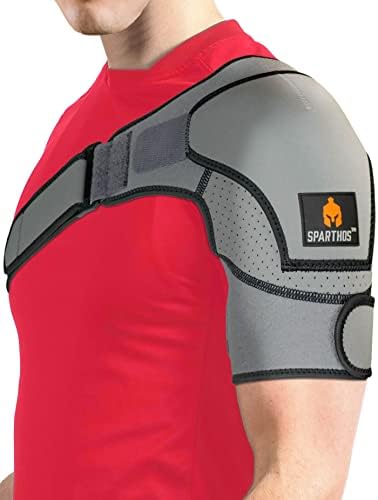
When selecting a shoulder brace like the Sparthos model, understanding its specific design for rotator cuff and AC joint support is crucial. This particular brace uses a compression sleeve with adjustable straps rather than rigid immobilization, making it suitable for active recovery rather than post-surgical fixation.
Key Considerations Before Buying
- The 10-14 inch bicep measurement range is narrower than many competitors—accurate measurement is essential to avoid circulation issues or inadequate compression.
- This brace provides stability through compression rather than immobilization, making it better for mild-to-moderate injuries than severe tears requiring complete joint restriction.
- The left/right designation and unisex fit means sizing may differ from your typical clothing—women with smaller frames should pay particular attention to the measurement guide.
What Our Analysts Recommend
Quality shoulder braces feature breathable neoprene that maintains compression without chafing, and adjustable straps that stay secure during movement. The Sparthos uses hook-and-loop closures that should maintain grip through repeated use—check reviews for feedback on strap durability after weeks of wear.
Shoulder Supports Market Context
Market Overview
The shoulder support market is flooded with compression sleeves that vary widely in material quality and therapeutic effectiveness, with many making similar medical claims without clinical validation. Products like the Sparthos brace compete primarily on comfort, adjustability, and value rather than medical-grade immobilization.
Common Issues
Users frequently report sizing inaccuracies, straps that lose adhesion over time, and materials that trap heat or cause skin irritation during extended wear. Compression sleeves often provide psychological comfort more than actual joint stabilization for serious injuries.
Quality Indicators
Look for braces with reinforced stitching at stress points, medical-grade neoprene that wicks moisture, and adjustable components that allow customized compression levels. The Sparthos's specific bicep measurement requirement indicates a more tailored fit approach than one-size-fits-most alternatives.
Review Authenticity Insights
Grade B Interpretation
A Grade B authenticity rating with 10% estimated fake reviews suggests mostly reliable feedback, though some reviews may be incentivized. The 0.19-point drop from the displayed 3.89 to adjusted 3.70 rating indicates minor review manipulation, but not enough to fundamentally distort the overall assessment.
Trust Recommendation
Focus on verified purchase reviews discussing specific recovery timelines or comparing this brace to previous supports used. Given the authenticity profile, the consensus around sizing challenges appears credible and should be weighted heavily in your decision.
Tips for Reading Reviews
Prioritize reviews that mention specific activities (sleeping, working, exercising) while wearing the brace, as these reveal practical limitations. Look for patterns in how the compression affects different injury types—rotator cuff versus AC joint feedback may differ significantly.
Expert Perspective
The Sparthos Shoulder Brace represents a mid-tier compression support suitable for managing discomfort from mild rotator cuff strains or AC joint irritation during daily activities. Its 3.70 adjusted rating reflects real-world experiences where proper sizing leads to satisfaction, while measurement mistakes result in negative outcomes. The product's design prioritizes wearability over maximum stabilization, making it better for injury prevention and mild support than post-surgical rehabilitation.
Purchase Considerations
Consider this brace if you need moderate compression during work or light exercise, but seek medical-grade immobilization for significant tears. The narrow bicep range means those with muscular builds or very slender arms may need to look elsewhere despite the unisex designation.
Comparing Alternatives
Compare the Sparthos's compression approach with braces featuring cross-body straps or abduction pillows if you require more substantial joint restriction.