Choosing a Versatile Shoulder Brace: Key Features for Effective Pain Relief
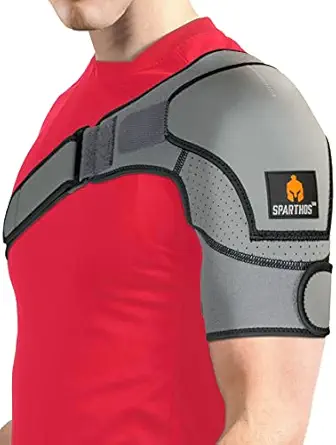
When selecting a shoulder immobilizer like this adjustable brace designed for both left and right arms, buyers should prioritize proper stabilization over simple compression. This specific product combines elements of a compression sleeve, sling, and rotator cuff support, making it essential to understand how its multi-functional design addresses different injury stages.
Key Considerations Before Buying
- Assess whether you need immobilization for acute injuries like torn rotator cuffs or compression for chronic pain, as this brace offers both functions.
- Consider the adjustable strap system's ability to customize pressure points, which is crucial for accommodating different shoulder anatomies and injury locations.
- Evaluate the bilateral design's practicality for your situation, as a brace suitable for both arms may compromise on anatomical specificity compared to side-specific models.
What Our Analysts Recommend
Quality shoulder supports feature breathable yet durable neoprene or similar materials that maintain compression without causing skin irritation. Look for reinforced stitching at stress points, particularly where adjustable straps connect to the main sleeve, and smooth-edged fasteners that won't dig into skin during extended wear.
Shoulder Supports Market Context
Market Overview
The shoulder support market is saturated with products claiming universal fit, but truly effective braces balance immobilization with mobility preservation. This particular category sees frequent innovation in adjustable closure systems, with many newer models like this one incorporating multiple strap configurations for customized support.
Common Issues
Many shoulder braces fail due to poor strap placement that creates pressure points rather than distributing support evenly across the deltoid and rotator cuff muscles. Another frequent complaint involves materials that lose elasticity quickly or cause excessive sweating during prolonged use.
Quality Indicators
Superior shoulder braces maintain consistent compression through layered construction rather than single-material sleeves. Genuine quality products typically feature medical-grade closures that won't slip under tension and include clear guidance on proper positioning relative to the acromion process.
Review Authenticity Insights
Grade B Interpretation
A Grade B authenticity rating with 10% estimated fake reviews suggests generally reliable feedback, though shoppers should remain slightly cautious of overly enthusiastic claims. The 4.60 adjusted rating (down from 4.89) indicates genuine satisfaction is strong but not quite as perfect as the raw average suggests.
Trust Recommendation
Focus on reviews discussing specific use cases like post-surgical recovery or particular sports injuries, as these tend to be more authentic than vague praise. Verified purchase status across all reviews significantly boosts credibility for this product.
Tips for Reading Reviews
Pay special attention to reviews mentioning long-term wear (weeks or months) and how the materials hold up, as these provide insights beyond initial comfort. Look for detailed comments about adjustability mechanisms, which are harder to fake than general satisfaction statements.
Expert Perspective
This shoulder brace's combination of immobilization and compression functions, coupled with its bilateral design, positions it as a versatile option for users with varying needs. The strong adjusted rating of 4.60/5 from verified purchasers suggests it delivers on core promises of pain relief and support. However, the bilateral nature means it may not provide the anatomical precision of side-specific braces for severe rotator cuff injuries requiring exact positioning.
Purchase Considerations
This product makes most sense for those needing intermittent support or who want one device for potential bilateral issues. Consider your specific diagnosis—while effective for general shoulder instability and mild-to-moderate rotator cuff strains, complete tears or post-surgical cases might require more specialized bracing.
Comparing Alternatives
Shoppers should compare this multi-function brace against dedicated immobilizers for acute injuries and specialized compression sleeves for athletic support.