Choosing a Shoulder Brace: Fit, Compression, and Stabilization Are Critical
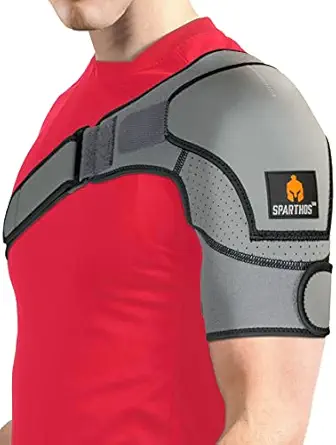
When selecting a shoulder brace like the FIGHTECH model for rotator cuff injuries, focus on how it balances compression for pain relief with stabilization for injury protection. This specific product emphasizes a four-size system and unisex design, which directly impacts its effectiveness for different body types recovering from similar injuries.
Key Considerations Before Buying
- Sizing accuracy is paramount; the FIGHTECH's Large/X-Large designation requires careful measurement of your upper arm and chest circumference, as improper fit can compromise support or restrict circulation.
- Evaluate the brace's strap configuration—this model uses multiple adjustable straps to customize compression and limit range of motion, which is essential for both acute pain management and rehabilitation phases.
- Consider material breathability and durability, especially for extended wear; a neoprene-based brace like this must wick moisture while maintaining its elasticity and structural integrity over months of use.
What Our Analysts Recommend
High-quality shoulder supports feature reinforced stitching at stress points, non-slip grip linings to prevent migration during movement, and easy-adjust closures that can be operated one-handed. The FIGHTECH's design specifically addresses the challenge of self-donning, a common pain point for users with limited mobility.
Shoulder Supports Market Context
Market Overview
The shoulder support market is saturated with products ranging from simple compression sleeves to complex immobilizers, with the FIGHTECH brace positioning itself in the mid-range therapeutic category for rotator cuff injuries. Consumer demand has shifted toward braces that offer clinical-level support while being discreet enough for daily wear under clothing.
Common Issues
Many users report braces that slip down during activity, provide uneven pressure distribution causing nerve compression, or use low-grade materials that degrade quickly with repeated washing. Sizing inconsistencies across brands lead to frequent returns and compromised therapeutic outcomes.
Quality Indicators
Look for medical-grade neoprene or similar materials that provide consistent compression, anatomical shaping that contours to the shoulder's ball-and-socket joint, and hardware like D-rings or buckles that withstand repeated adjustment without failure.
Review Authenticity Insights
Grade B Interpretation
A Grade B authenticity rating with an estimated 10% fake review rate indicates a generally trustworthy review profile, though shoppers should maintain healthy skepticism. For this FIGHTECH brace, the 4.30 adjusted rating (down from 4.56) suggests the authentic user experience is slightly less enthusiastic than the raw average implies.
Trust Recommendation
Prioritize reviews that discuss specific use cases like post-surgical recovery, sports injuries, or chronic tendonitis, as these provide more actionable insights than generic praise. The high number of verified purchases (15,895 reviews) strengthens credibility, but focus on mid-range (3-4 star) reviews for balanced perspectives.
Tips for Reading Reviews
Pay particular attention to reviews mentioning long-term durability (3+ months of use), comfort during sleep, and effectiveness during specific activities like weight training or overhead work. These scenario-based accounts reveal more about real-world performance than general comfort statements.
Expert Perspective
The FIGHTECH Shoulder Brace presents a compelling option based on its strong authentic review profile and specific design for rotator cuff injuries. Its 4.30 adjusted rating from verified purchasers suggests reliable performance, though the slight downgrade from the raw score indicates some authentic users experience limitations. The product's differentiation through four distinct sizes rather than generic 'one-size-fits-most' approaches addresses a critical fit issue in this category.
Purchase Considerations
This brace appears most suitable for individuals needing moderate stabilization during daily activities or rehabilitation, rather than complete immobilization post-surgery. Consider your specific injury stage—acute phase may require more rigid support, while this model excels at managing subacute or chronic conditions where some mobility is beneficial.
Comparing Alternatives
Shoppers should compare the FIGHTECH's strap configuration and sizing specifics against similar braces from Mueller or Shock Doctor to assess which system best matches their injury mechanics and body type.