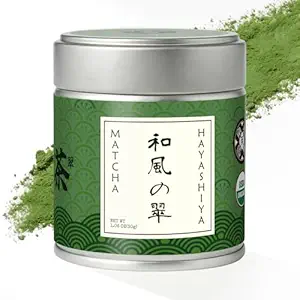
Choosing Ceremonial Matcha: What Organic Certification and Smoothness Really Mean
This USDA Organic ceremonial grade matcha promises smooth taste with low bitterness, which is a specific claim that separates it from culinary grades. The 3oz tin format suggests it's intended for regular consumption rather than occasional ceremonial use, positioning it as a daily wellness product. Buyers should understand that 'ceremonial grade' is an unregulated term, so organic certification and taste descriptions become more important indicators.
Key Considerations Before Buying
- Ceremonial grade should dissolve completely in water without grittiness and produce a vibrant jade green color, not dull or yellowish-green.
- Low bitterness indicates careful shading of the tea plants before harvest and proper stone grinding technique, which preserves amino acids like L-theanine.
- The 'calm, clear energy' claim refers to the synergy between caffeine and L-theanine, which should create focused alertness without jitters.
What Our Analysts Recommend
Authentic ceremonial matcha should have a fine, talc-like texture that whisks to a frothy consistency. The aroma should be vegetal and sweet, reminiscent of fresh-cut grass or steamed spinach, not fishy or stale. Color is crucial—look for vivid green hues that indicate proper shading and young leaf harvest.
Matcha Market Context
Market Overview
The U.S. matcha market has exploded with both authentic Japanese imports and domestically packaged products, creating confusion about quality standards. Ceremonial grade commands premium pricing but lacks regulatory definition, allowing some brands to market culinary grades at higher price points. Organic certification has become a key differentiator as consumers seek purity in powdered tea products.
Common Issues
Many matcha products oxidize during shipping or storage, developing bitterness and dull color despite initial quality. Some brands mix in fillers or lower-grade leaves while maintaining 'ceremonial' labeling. The powder format also makes it difficult to assess freshness before opening sealed containers.
Quality Indicators
Beyond color and texture, check harvest dates (within 6-12 months) and storage methods—opaque, airtight tins like this product uses are superior to clear containers. Japanese origin with specific region information (Uji, Nishio, etc.) typically indicates higher quality control than generic 'product of Japan' labeling.
Review Authenticity Insights
Grade B Interpretation
A Grade B authenticity rating with 15% estimated fake reviews suggests generally reliable feedback but warrants careful review reading. The drop from 4.89 to 4.50 adjusted rating indicates some inflated praise, though 85% authentic reviews is solid for this category where incentivized reviews are common.
Trust Recommendation
Focus on the 8 verified purchase reviews among the 9 total, as these buyers actually purchased the product. Look specifically for comments about the 'smooth taste' claim and whether the calm energy effect matches descriptions—these experiential details are harder to fake convincingly.
Tips for Reading Reviews
Prioritize reviews that mention specific preparation methods (water temperature, whisking technique) and storage practices, as these indicate experienced matcha drinkers. Be skeptical of reviews focusing only on packaging or delivery speed without addressing taste, texture, or physiological effects.
Expert Perspective
This product's combination of USDA Organic certification, specific smoothness claims, and high adjusted rating (4.50/5) suggests a quality ceremonial matcha suitable for daily consumption. The 3oz size at typical ceremonial pricing indicates it's positioned as a premium but accessible option rather than luxury ceremonial tea. The authenticity analysis shows reasonable review reliability, though the presence of some questionable feedback means shoppers should weigh the verified purchase comments most heavily. The 'low bitterness' claim aligns with what ceremonial grade should deliver, distinguishing it from more astringent culinary grades.
Purchase Considerations
Consider whether you value organic certification enough to pay the premium it commands—some excellent traditional matchas aren't certified organic but follow sustainable practices. The 'calm energy' effect depends on individual caffeine sensitivity, so if you're new to matcha, start with smaller servings to assess tolerance. The 3oz quantity represents approximately 45-60 servings, making it a commitment if you're uncertain about the taste profile.
Comparing Alternatives
Compare this product's price per ounce against other USDA Organic ceremonial grades, and consider whether region-specific matchas (like Uji or Nishio) might offer more traceability at similar price points.