
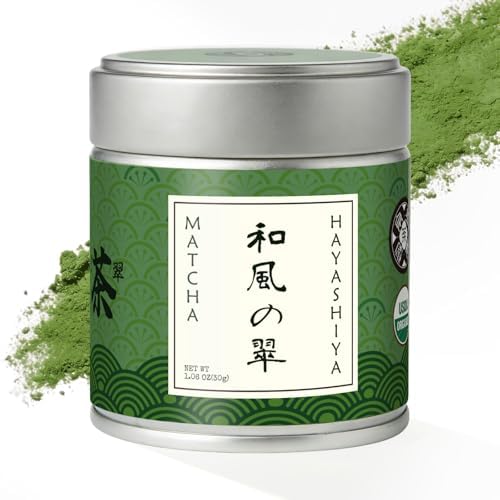
Selecting Ceremonial Matcha: Understanding Kyoto's First Harvest Stone-Ground Powder
When evaluating HAYASHIYA's ceremonial matcha, focus on its specific claims: Kyoto origin, first harvest (ichibancha), stone-ground processing, and organic certification. These characteristics directly impact flavor profile, antioxidant content, and preparation versatility beyond traditional tea ceremonies. The 30g tin format balances freshness preservation with portion control for lattes and baking.
Key Considerations Before Buying
- Ceremonial grade designation means this matcha should dissolve smoothly without grittiness, but verify whether reviewers note any sediment in their lattes or smoothies.
- First harvest leaves produce a sweeter, less astringent flavor profile than later harvests—look for reviews mentioning umami sweetness versus bitterness.
- The stone-ground process creates finer particles than machine-ground alternatives, affecting both mouthfeel and how well it incorporates into baked goods.
What Our Analysts Recommend
Authentic Kyoto matcha typically displays a vibrant jade-green color rather than dull or yellowish hues. Quality ceremonial powder should froth readily when whisked with hot water, indicating proper processing and freshness. The tin packaging should provide an airtight seal to prevent oxidation, which degrades both flavor and nutritional value.
Matcha Market Context
Market Overview
The U.S. matcha market faces significant quality variance, with many products marketed as ceremonial grade actually containing culinary-grade powder or blends. Kyoto-origin claims carry particular weight, as the region's climate and traditional techniques produce superior amino acid profiles. Organic certification adds another layer of verification, though some exceptional traditional producers forego certification while maintaining pristine growing practices.
Common Issues
Many matcha powders oxidize quickly after opening, developing a stale, grassy flavor. Some products labeled ceremonial grade contain fillers or lower-quality leaves from later harvests. Storage conditions during shipping critically affect matcha, as heat exposure accelerates degradation of delicate catechins and L-theanine.
Quality Indicators
Genuine ceremonial matcha creates a stable foam layer when properly whisked, indicating intact cell structures. The powder should have a fine, talc-like texture that clings slightly when pinched. Superior matcha leaves a lingering sweet aftertaste rather than immediate bitterness, reflecting higher L-theanine content relative to catechins.
Review Authenticity Insights
Grade B Interpretation
A Grade B authenticity rating with 15% estimated fake reviews suggests generally reliable feedback, though approximately 1 in 7 reviews may be artificially positive. The adjusted 4.50/5 rating (down from 4.89) indicates some review inflation but still reflects strong genuine satisfaction.
Trust Recommendation
Prioritize the 8 verified purchase reviews, which constitute 88% of feedback and demonstrate actual usage. Look specifically for reviews discussing preparation methods mentioned in the title—lattes, smoothies, and baking—as these provide practical insights beyond ceremonial preparation.
Tips for Reading Reviews
Focus on reviews that mention specific preparation details like water temperature, whisking techniques, or blending times. Authentic matcha reviews often compare flavor notes (umami, vegetal, sweet) rather than using generic praise. Be skeptical of reviews that don't mention the tin's functionality or storage considerations.
Expert Perspective
HAYASHIYA's product presents compelling specifications: Kyoto origin ensures traditional growing expertise, first harvest guarantees peak nutrient density, and stone-grinding preserves cellular integrity better than industrial methods. The 4.50 adjusted rating from verified purchasers suggests the matcha delivers on its premium claims for most buyers. The 30g size is appropriate for ceremonial grade, as larger quantities often degrade before consumption unless frequently used.
Purchase Considerations
Evaluate whether you'll use this primarily for traditional preparation or for the mentioned lattes and baking—ceremonial grade represents overinvestment if mostly used in strongly flavored smoothies. Consider your consumption rate; 30g provides approximately 15-20 traditional servings but lasts longer if used sparingly as an ingredient. The tin packaging offers better light protection than typical pouches but verify the seal's effectiveness from reviews.
Comparing Alternatives
Compare HAYASHIYA's price per gram against other Kyoto ceremonial grades, particularly noting whether competitors specify harvest timing and grinding methods with equal precision.


