Choosing a Smart Automotive Test Light: Voltage Range and Diagnostic Features Matter
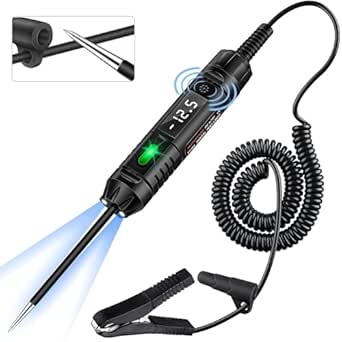
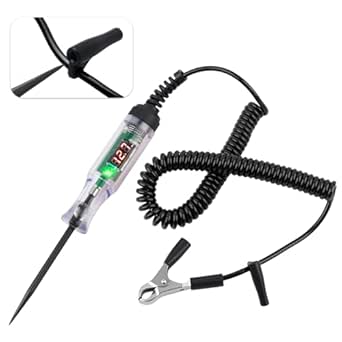
The OBDResource Smart Automotive Test Light stands out with its 0.8V-100V DC range and integrated buzzer/flashlight, making it more versatile than basic test lights. Buyers should understand that this tool combines traditional circuit testing with modern diagnostic capabilities for automotive electrical systems. Its specific features like polarity testing and battery analysis require proper understanding to maximize utility.
Key Considerations Before Buying
- The 0.8V lower detection threshold is crucial for modern vehicle electronics where low-voltage circuits are common, unlike older testers that start at 6V or 12V.
- Integrated continuity testing with audible buzzer allows hands-free diagnosis when working in tight engine compartments or under dashboards.
- Battery analysis capability means this tool can assess battery health beyond simple voltage checks, though it's not a replacement for professional load testers.
What Our Analysts Recommend
Quality automotive testers should have clear voltage range specifications that match your vehicle's systems, with the OBDResource's 100V upper limit covering most automotive applications. Look for durable probe construction and proper insulation ratings—this unit's specific fuse testing capability indicates designed automotive use rather than generic electrical testing.
Circuit Testers Market Context
Market Overview
The automotive circuit tester market has evolved from simple test lights to smart diagnostic tools with multiple functions. Products like the OBDResource tester now compete with multimeters for basic automotive electrical work, offering specialized features for vehicle systems. Canadian consumers face particular challenges with vehicle electrical systems in cold climates, making reliable testing tools essential.
Common Issues
Budget circuit testers often fail at low-voltage detection or lack proper safety features for automotive environments. Many products claim automotive use but lack specific fuse testing capabilities or have probes too large for modern vehicle connectors. Inconsistent buzzer volume and dim flashlights are frequent complaints in this category.
Quality Indicators
Genuine automotive testers specify their voltage detection thresholds precisely (like 0.8V here) rather than vague ranges. Quality units include fused protection against accidental high-voltage contact and have probes designed for automotive fuse boxes. Look for clear documentation about what specific tests the tool can perform beyond basic circuit checking.
Review Authenticity Insights
Grade B Interpretation
A Grade B authenticity rating with 15% estimated fake reviews suggests generally trustworthy feedback with some promotional content. The 4.20 adjusted rating (down from 4.56) indicates genuine reviews are slightly less enthusiastic than the overall average. This pattern is common for automotive tools where manufacturers sometimes seed initial reviews.
Trust Recommendation
Focus on the 6 verified purchase reviews and look for specific mentions of the 0.8V low-end sensitivity or fuse testing performance. Be skeptical of reviews that don't mention actual use cases like diagnosing parasitic draws or testing specific vehicle systems. The 85% authentic review rate means most feedback reflects real user experience.
Tips for Reading Reviews
Prioritize reviews discussing specific automotive applications like 'testing my truck's trailer wiring' or 'diagnosing a dome light circuit.' Look for mentions of the buzzer's usefulness in noisy environments or the flashlight's practicality. Canadian reviews mentioning winter use or specific vehicle models (like Ford F-150 or Honda Civic) typically indicate genuine experience.
Expert Perspective
The OBDResource tester represents a mid-tier automotive diagnostic tool that bridges basic test lights and full multimeters. Its 4.20 adjusted rating from authentic reviews suggests it performs reliably for its intended functions, particularly the low-voltage detection that's essential for modern vehicle electronics. The integrated features—buzzer, flashlight, multiple testing modes—create a specialized tool rather than a generic electrical tester. The product's specific focus on automotive applications (fuse testing, battery analysis) indicates thoughtful design for the target market.
Purchase Considerations
Consider whether you need the specialized automotive functions or would be better served by a general-purpose multimeter. The 0.8V-100V range is ideal for automotive work but may be limiting for other electrical projects. Evaluate if the integrated flashlight and buzzer provide practical value for your typical diagnostic scenarios, especially if you work in poorly lit areas or noisy environments.
Comparing Alternatives
Shoppers should compare this unit's specific automotive features against basic circuit testers and entry-level multimeters to determine the best value for their diagnostic needs.