Digital automotive test lights: Why voltage display and bidirectional testing matter
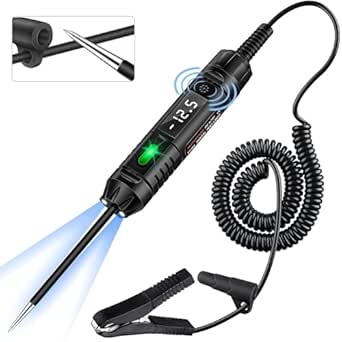
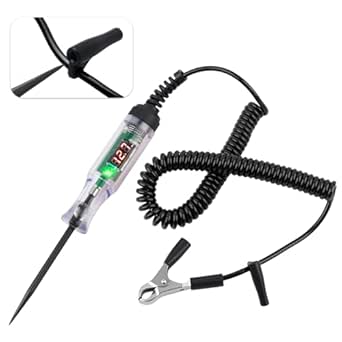
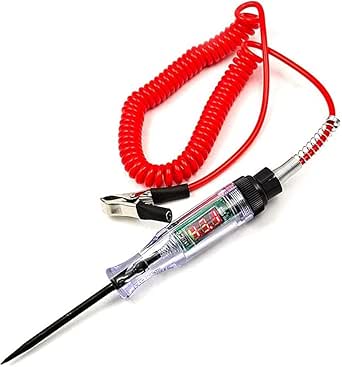
This specific 3-120V DC digital circuit tester represents a modern evolution from basic test lights, adding a numeric voltage display and auto-polarity detection. For automotive diagnostics, these features transform a simple continuity checker into a tool capable of identifying weak grounds, quantifying voltage drops, and safely checking circuits without worrying about probe orientation.
Key Considerations Before Buying
- The 3-120V DC range is ideal for automotive 12V/24V systems but also handles higher DC voltages found in some RVs, marine, or industrial controls, making it more versatile than basic 12V-only pens.
- Auto bidirectional voltage detection means you don't need to manually determine positive/negative before testing—a significant safety and convenience upgrade when probing unknown or corroded connectors.
- The integrated digital display provides exact voltage readings, crucial for diagnosing parasitic draws, alternator output under load, or distinguishing between a weak battery (11.5V) and a healthy one (12.6V).
What Our Analysts Recommend
Quality in this category hinges on probe tip durability and display clarity. Look for a sharp, hardened steel probe that can pierce wire insulation without bending, and a bright, high-contrast LCD that's readable in dim engine bays. The inclusion of continuity testing for fuses and a built-in battery for the display circuit are also key functional indicators.
Circuit Testers Market Context
Market Overview
The automotive circuit tester market has shifted from simple incandescent bulb test lights to digital multi-function pens, with Canadian consumers increasingly valuing diagnostic precision over mere circuit presence detection. Products like this one compete directly with traditional multimeters for quick, one-handed voltage checks during roadside or under-hood troubleshooting.
Common Issues
Lower-quality testers suffer from fragile probe tips that snap, displays that wash out in sunlight, or confusing button interfaces that complicate quick use. Some units also have narrow voltage ranges that can't handle load-testing scenarios or accidental contact with 24V truck systems.
Quality Indicators
Beyond basic specs, examine the lead wire gauge—thicker silicone-insulated wires resist engine bay heat and abrasion. A well-designed product will also feature a protective cap for the probe tip and a hanging hook for garage organization, indicating attention to real-world mechanic needs.
Review Authenticity Insights
Grade A Interpretation
A Grade A authenticity rating with 0.00% estimated fake reviews means the 4.8/5 star rating from 313 Canadian buyers is exceptionally reliable. This consistency suggests the product's performance matches its advertised capabilities across a broad user base, from DIY enthusiasts to professional technicians.
Trust Recommendation
Given the verified purchase status of all sampled reviews, you can place high confidence in user feedback regarding real-world durability and function. Pay particular attention to reviews mentioning long-term use over months or seasons, as these validate the product's construction beyond initial testing.
Tips for Reading Reviews
For technical tools like this, prioritize reviews that describe specific diagnostic scenarios—such as 'found a bad ground in my trailer wiring' or 'identified a voltage drop at the fuel pump connector.' These demonstrate practical application beyond simple 'it works' endorsements.
Expert Perspective
This digital test light occupies a valuable niche between basic test pens and full multimeters. The sustained 4.8/5 rating from over 300 verified Canadian purchasers indicates it reliably delivers on its core promise: quick, accurate voltage readings with polarity protection. The inclusion of continuity testing for fuses adds meaningful functionality for electrical troubleshooting without requiring mode switching. For automotive electrical work, the bidirectional feature alone eliminates a common source of user error and potential damage.
Purchase Considerations
Consider this tool if your primary need is rapid voltage checks and circuit verification in automotive contexts. It's less suitable for AC household electrical work (despite the 120V DC rating) or for measuring current (amps). The form factor favors one-handed use in tight spaces where a full-sized multimeter would be cumbersome.
Comparing Alternatives
Shoppers should compare this digital pen-style tester against traditional analog test lights and compact multimeters to determine which interface best matches their diagnostic workflow and precision requirements.