Choosing a digital automotive test light: Voltage range, probe quality, and display clarity matter most
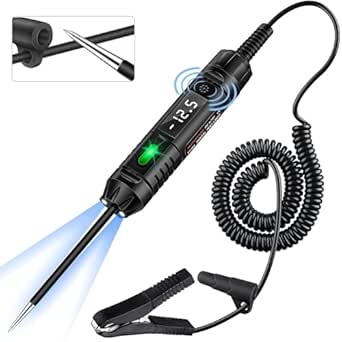
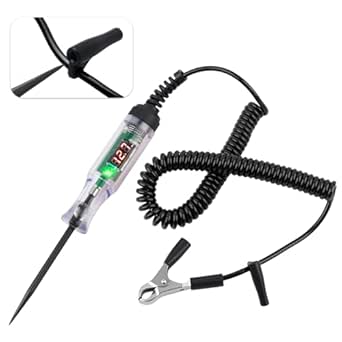
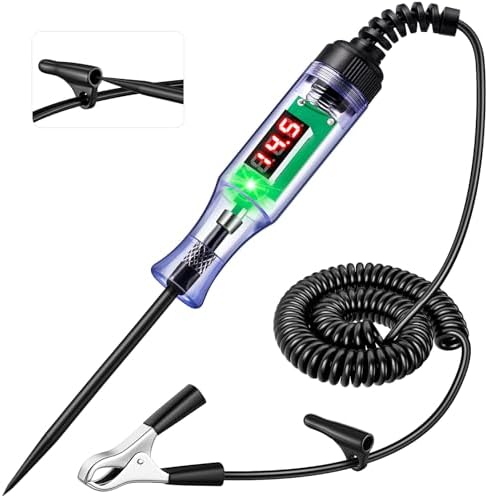
This specific automotive test light combines traditional circuit testing with a digital voltage readout, offering both visual polarity indication and precise voltage measurement from 3-48V. Unlike basic test lights, its dual-functionality makes it particularly useful for modern vehicles with complex electrical systems where knowing exact voltage matters for diagnosing parasitic drains or charging issues.
Key Considerations Before Buying
- The 3-48V range specifically covers automotive applications from motorcycle batteries (6V systems) to heavy-duty trucks (24V systems), but excludes household current testing.
- The stainless steel probe mentioned in the title should be evaluated for tip sharpness and durability when piercing wire insulation without damaging conductors.
- Consider whether the digital readout's refresh rate and visibility in various lighting conditions will work for your diagnostic workflow compared to analog meters.
What Our Analysts Recommend
Quality indicators for this type of tester include a bright LED that's visible in daylight, a digital display with clear contrast, and a probe tip that maintains conductivity after repeated use. The ground clip should have strong spring tension and positive grip on various grounding points.
Circuit Testers Market Context
Market Overview
The automotive circuit tester market has evolved from simple continuity lights to sophisticated diagnostic tools, with digital readout models like this one bridging the gap between basic testers and multimeters. Canadian consumers particularly value tools that work reliably in cold temperatures where battery issues are common.
Common Issues
Budget testers often fail at the probe connection point or have displays that wash out in sunlight. Some units struggle with accurate readings in the critical 12-14V range where most automotive diagnostics occur, particularly when alternators are charging.
Quality Indicators
Look for testers with overvoltage protection to prevent damage from accidental contact with higher voltages, and check that the wire gauge is sufficient for automotive use (typically 18-16 AWG). Quality units maintain calibration across temperature variations common in garage environments.
Review Authenticity Insights
Grade B Interpretation
A Grade B authenticity rating with 10% estimated fake reviews suggests generally trustworthy feedback, though shoppers should remain slightly cautious of overly enthusiastic reviews. The 4.40 adjusted rating (down from 4.60) indicates the product likely performs well but may have some limitations not reflected in all reviews.
Trust Recommendation
Focus on reviews that mention specific use cases like fuse box testing, trailer wiring diagnostics, or motorcycle electrical work rather than generic praise. The verified purchase status of all analyzed reviews increases confidence in the feedback's authenticity.
Tips for Reading Reviews
Pay particular attention to reviews discussing long-term durability (6+ months of use) and performance in extreme temperatures, as these reveal real-world reliability. Look for mentions of the digital display's readability in bright sunlight or under vehicle dashboards.
Expert Perspective
This tester's combination of digital voltage readout with traditional test light functionality represents a practical hybrid tool for automotive electrical diagnostics. The 4.40 adjusted rating from verified purchases suggests it delivers on core functionality, though the slight rating adjustment indicates some limitations exist. The 3-48V range is appropriately sized for automotive applications while excluding potentially dangerous household voltages.
Purchase Considerations
Weigh whether the digital readout's added precision justifies the potential complexity compared to simpler test lights, particularly if you primarily need basic continuity testing. Consider your typical diagnostic scenarios—if you frequently need exact voltage measurements for charging system diagnosis, this hybrid approach offers advantages over traditional test lights.
Comparing Alternatives
Compare this unit's probe quality and display visibility against similar-priced digital test lights, as these physical components significantly impact daily usability.