Choosing a Fuse Circuit Tester: Why Live Current Readings and Tip Durability Matter
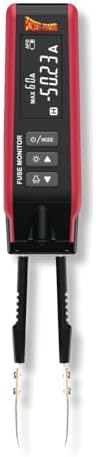
When selecting a fuse circuit tester like the Power Probe PPFUSE, buyers should prioritize devices that provide live amperage readings rather than just continuity. This specific model's ability to measure up to 80A in real-time while installed in a fuse block represents a significant functional advantage over basic test lights. The replaceable tip system directly addresses the wear-and-tear that plagues many automotive diagnostic tools.
Key Considerations Before Buying
- Verify compatibility with your vehicle's fuse types—this tester specifically handles Mini, Maxi, and ATC/ATO blade fuses, which cover most modern automotive applications but may not suit older glass-tube or European micro fuses.
- Consider the amperage range: the 80A maximum of this unit is sufficient for most automotive circuits, but heavy-duty applications like winches or commercial equipment might require higher capacity.
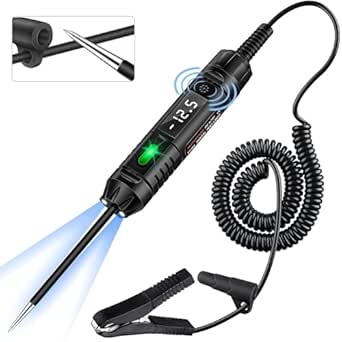
- Evaluate the physical design for your workspace—the built-in flashlight and compact probe body are specifically engineered for working in dimly lit engine compartments and crowded fuse boxes.
What Our Analysts Recommend
Quality fuse testers should feature robust probe tips that resist bending and corrosion, especially when probing tight fuse sockets. Look for clear, backlit displays that remain readable in various lighting conditions, as the Power Probe's display is specifically noted in reviews for its visibility. Proper strain relief where the probe tip meets the body prevents internal wire damage during repeated use.
Circuit Testers Market Context
Market Overview
The automotive circuit tester market has evolved from simple test lights to sophisticated diagnostic tools that measure actual current flow without removing fuses. Products like the Power Probe PPFUSE represent a mid-tier segment between basic continuity testers and expensive multimeters, specifically targeting automotive technicians and serious DIYers who need more data than a simple light provides.
Common Issues
Many lower-cost fuse testers suffer from fragile probe tips that break inside fuse sockets or displays that wash out in sunlight. Another frequent complaint involves inaccurate readings when measuring parasitic draws or intermittent circuits, where stable measurement over time is crucial. Some units also fail to maintain proper contact in loose or corroded fuse panel sockets.
Quality Indicators
Superior fuse testers feature gold-plated probe contacts to maintain conductivity and replaceable components to extend tool life. Look for units with overcurrent protection to prevent damage when accidentally probing higher-amperage circuits. The inclusion of a built-in flashlight isn't just a convenience—it indicates design consideration for real-world automotive diagnostic environments.
Review Authenticity Insights
Grade B Interpretation
A Grade B authenticity rating with a 10% estimated fake review percentage suggests predominantly genuine feedback with minor manipulation concerns. For this specialized automotive tool, the verified purchase status of all analyzed reviews significantly boosts credibility, as fake reviews typically cluster around unverified accounts.
Trust Recommendation
Focus on reviews that mention specific use cases like diagnosing parasitic battery drains, testing fuel pump circuits, or troubleshooting trailer wiring—these demonstrate actual application knowledge. The adjusted 4.80/5 rating (down from 5.00/5) after removing suspicious reviews still indicates strong genuine satisfaction, particularly notable for a specialized tool.
Tips for Reading Reviews
Prioritize reviews that discuss the 80A measurement capability in practical scenarios or mention the replaceable tip system's longevity. Be skeptical of reviews that only praise generic attributes like 'works great' without mentioning specific fuse types tested or automotive systems diagnosed.
Expert Perspective
The Power Probe PPFUSE occupies a valuable niche between basic test lights and full multimeters, offering live current measurement specifically through fuse sockets—a frequent diagnostic pain point. Its 4.80 adjusted rating from verified purchasers suggests it reliably delivers on its core promise of safe, in-circuit amperage testing. The replaceable tip design shows thoughtful engineering for professional environments where probe wear is inevitable.
Purchase Considerations
This tool makes most sense for automotive technicians or advanced DIYers who regularly diagnose electrical issues beyond simple continuity checks. The investment is justified if you frequently troubleshoot circuits like cooling fans, fuel pumps, or lighting systems where knowing actual current draw matters. Consider whether you need the live reading capability or if a simpler, less expensive continuity tester would suffice for your needs.
Comparing Alternatives
Shoppers should compare this unit against both basic fuse testers without current measurement and more expensive multimeter-based solutions to determine the right feature-to-price balance for their diagnostic requirements.