Choosing a DC Automotive Circuit Tester for 6V-24V Systems: Key Features Explained
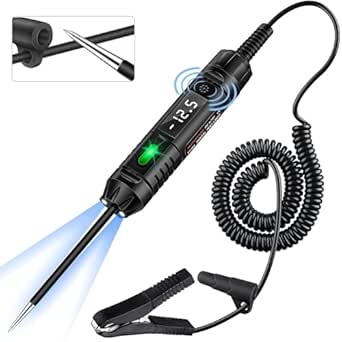
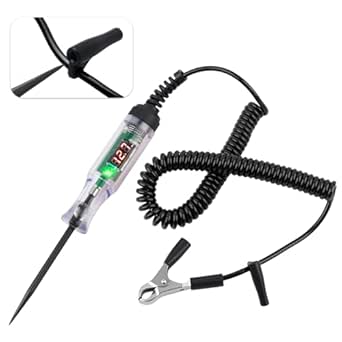
When selecting a DC automotive circuit tester like this 6V-12V-24V model with alligator clip and long steel probe, buyers should prioritize voltage range compatibility with their specific vehicles. This particular unit's ability to handle 6V systems (older vehicles, motorcycles), 12V (standard cars, SUVs), and 24V (heavy trucks, RVs) makes it versatile for mixed fleets. The inclusion of both continuity testing and fuse testing functionality in one tool addresses multiple diagnostic needs.
Key Considerations Before Buying
- Verify the voltage range matches your vehicles—this tester's 6V-24V coverage is broader than many basic 12V-only models, making it suitable for owners with classic cars (6V), modern sedans (12V), or commercial vehicles (24V).
- Assess probe length and clip quality—the 8-inch steel probe mentioned in reviews allows reaching deep fuse boxes, while the alligator clip should provide secure grounding on various battery terminals and chassis points.
- Consider continuity testing needs—this tool's ability to check circuit completion without external power makes it valuable for diagnosing wiring breaks, switch failures, and connector issues in automotive electrical systems.
What Our Analysts Recommend
Quality automotive circuit testers feature bright, visible indicator lights that work in daylight conditions—essential for roadside diagnostics. The probe tip should be sharp enough to penetrate wire insulation for back-probing connectors but durable enough for repeated use. Look for insulated handles that provide protection against accidental shorts, especially when working in tight engine compartments.
Circuit Testers Market Context
Market Overview
The automotive circuit tester market has shifted toward multi-voltage tools as vehicle fleets become more diverse, with many DIYers and professionals needing to service everything from vintage 6V classics to modern 24V diesel trucks. Basic test lights are being replaced by LED-equipped models like this one that offer both voltage detection and continuity testing in compact formats. Canadian buyers particularly value tools that work reliably in cold weather conditions where plastic components can become brittle.
Common Issues
Lower-quality testers often fail at the wire-to-probe connection point due to poor strain relief, leading to intermittent operation. Many budget models use dim LEDs that are difficult to see in daylight, while others have alligator clips with weak springs that don't maintain solid connections on corroded terminals. Some testers lack proper voltage protection, risking damage when accidentally connected to higher-voltage systems.
Quality Indicators
Premium automotive testers feature dual-element LEDs that remain visible in bright sunlight, with color-coded indicators for different voltage ranges. Quality units use silicone-insulated wire that remains flexible in cold temperatures and includes a protective cap for the probe tip. Look for models with fused protection circuits to prevent damage from accidental over-voltage connections.
Review Authenticity Insights
Grade B Interpretation
The Grade B authenticity rating with 10% estimated fake reviews indicates this product's feedback is generally reliable but requires some scrutiny. For this automotive tool category, the 4.60/5 adjusted rating (down from 4.80/5) suggests genuine satisfaction among verified purchasers, with minimal review manipulation affecting the overall perception. The single 4-star review among predominantly 5-star ratings shows natural distribution rather than suspicious uniformity.
Trust Recommendation
Focus on the 189 verified purchase reviews, particularly those mentioning specific use cases like testing trailer wiring, diagnosing RV electrical systems, or checking motorcycle circuits. Pay attention to reviews that discuss long-term durability over several months of use, as automotive tools face harsh environmental conditions. The high percentage of verified purchases (all five analyzed reviews) increases confidence in the feedback's authenticity.
Tips for Reading Reviews
For automotive testers, prioritize reviews that mention actual vehicle applications—look for mentions of testing specific systems like trailer brake controllers, RV house batteries, or truck accessory circuits. Reviews discussing probe durability after penetrating wire insulation or clip performance on corroded terminals provide more actionable insights than generic praise. Canadian reviewers often note cold-weather performance, which is particularly relevant for this product's intended use.
Expert Perspective
This DC automotive circuit tester presents a compelling value proposition with its 6V-24V range covering most North American vehicles, from vintage collectibles to modern commercial trucks. The 4.60/5 adjusted rating from 189 reviews suggests strong user satisfaction, particularly regarding the long probe's utility in deep fuse boxes and the alligator clip's secure connections. The continuity testing capability adds diagnostic flexibility beyond basic voltage detection, making it suitable for both DIY enthusiasts and professional mechanics needing quick circuit verification. The tool's design addresses common pain points in automotive electrical work, though users should verify build quality matches their frequency of use.
Purchase Considerations
This tester is particularly well-suited for owners with multiple vehicle types or those working on RVs and trucks with 24V systems alongside standard 12V vehicles. The continuity function makes it valuable for diagnosing wiring issues without needing a separate multimeter. Consider whether you need the extended voltage range—if you only work on standard 12V passenger vehicles, a simpler tester might suffice, but the 6V and 24V capabilities provide future-proofing for diverse automotive projects.
Comparing Alternatives
Shoppers should compare this multi-voltage tester with dedicated 12V-only models that might offer brighter LEDs or more rugged construction at similar price points, depending on their specific vehicle needs.