
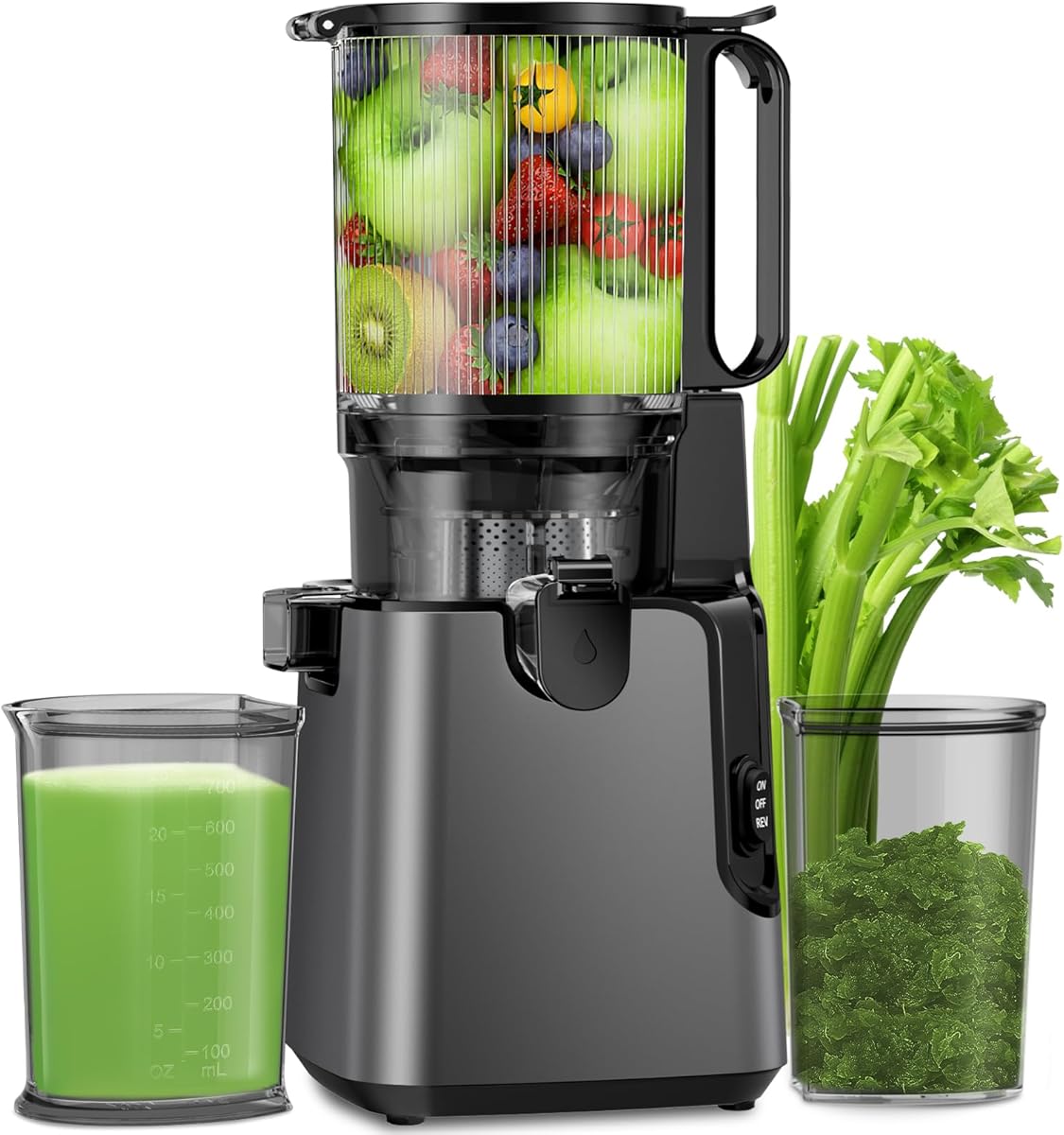
Choosing a Cold Press Juicer: What the 5.8" Feed Chute Really Means for You
When evaluating this specific 400W slow masticating juicer, the standout feature is its 5.8" feed chute, which genuinely reduces prep time by accommodating whole apples and medium carrots. Unlike centrifugal models, this single-auger cold press design operates at 80 RPM to minimize oxidation, preserving nutrients and extending juice shelf life up to 72 hours. The 400W motor represents a mid-range power level for masticating juicers, balancing extraction efficiency with energy consumption.
Key Considerations Before Buying
- The 5.8" feed chute eliminates most chopping but still requires harder vegetables like beets to be halved for optimal extraction and motor strain prevention.
- With a 4.60 adjusted rating from verified purchases, this juicer's performance with leafy greens versus fibrous roots shows variation—expect better yield from carrots than kale without specific techniques.
- Cleaning claims of 'easy disassembly' require verification in reviews regarding the auger's grooves and pulp ejection system, which can trap seeds and pulp in less thoughtful designs.
What Our Analysts Recommend
Examine the auger material—this model's BPA-free Tritan construction should resist staining from turmeric or beets. Quality indicators include consistent pulp dryness (indicating high yield) and minimal vibration during operation, suggesting precise auger alignment. The juice collector's capacity relative to the pulp container reveals design intelligence for continuous juicing sessions.
Single Auger Masticating Juicers Market Context
Market Overview
The single-auger masticating juicer market has shifted toward wider feed chutes (5-6") as a competitive response to consumer prep-time complaints, though wider chutes can sometimes compromise extraction pressure on fibrous materials. Current models emphasize 'cold press' terminology, though true cold-press standards involve specific temperature controls during extraction that most home models approximate rather than guarantee.
Common Issues
Users frequently report motor overheating during extended root vegetable processing and difficulty cleaning the fine mesh filter where pulp accumulates. Another recurring concern is inconsistent performance with leafy greens unless tightly rolled, with some models requiring specific feeding techniques to prevent clogging.
Quality Indicators
Superior single-auger juicers demonstrate minimal foam production (indicating proper pressure application) and feature augers with varied threading patterns to handle different produce types. Look for stainless steel cutting components rather than plastic for longevity, and check if the motor offers multiple speed settings—though this 400W model appears to use a single optimized speed.
Review Authenticity Insights
Grade B Interpretation
A Grade B authenticity rating with 10% estimated fake reviews suggests generally reliable feedback, though approximately 1 in 10 reviews may be artificially positive. The 0.29-point drop from the displayed 4.89 to the adjusted 4.60 rating indicates some review inflation, but the substantial verified purchase base (2180 reviews) provides a solid foundation for assessment.
Trust Recommendation
Focus on reviews discussing specific produce types—look for detailed accounts of juicing celery, ginger, or wheatgrass rather than generic praise. The verified purchase status adds credibility, but prioritize reviews mentioning long-term use (3+ months) to assess durability claims about the auger mechanism and motor consistency.
Tips for Reading Reviews
Search for reviews mentioning 'pulp dryness' and 'cleanup time'—these operational specifics rarely appear in fake reviews. Be skeptical of reviews claiming 'perfect' performance with all produce types, as even high-end masticating juicers have limitations with certain vegetables like okra or soft fruits like bananas.
Expert Perspective
This juicer's combination of a 5.8" feed chute with 400W power represents a calculated design compromise—the wider chute reduces prep work but may slightly reduce extraction pressure compared to narrower-feed professional models. The 4.60 adjusted rating from verified owners indicates strong satisfaction, particularly regarding yield and ease of use. However, the single-speed operation limits adaptability for different produce textures, making proper feeding technique more critical. The high juice yield claims align with masticating technology principles, though actual results will vary significantly based on produce freshness and user technique.
Purchase Considerations
Weigh the time saved from minimal chopping against potential limitations with very hard or very soft produce. Consider your typical juice ingredients—this model excels with apples, carrots, and cucumbers but may require technique adjustments for leafy greens or ginger. The 'easy to clean' claim warrants particular scrutiny in mid-priced juicers, as complex assembly can undermine daily usability.
Comparing Alternatives
Compare this model's 400W power and feed chute size against competitors offering variable speed controls or specialized attachments for nut milks or sorbets.


