Choosing a 6V-24V DC Automotive Circuit Tester: Voltage Range and Protection Matter
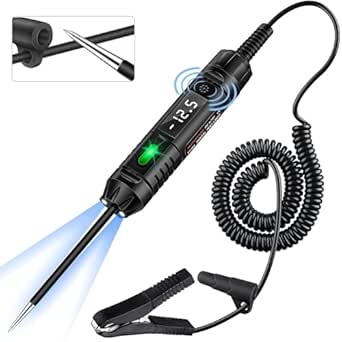
When selecting a circuit probe tester for automotive diagnostics, the specific 6V-24V DC range of this model makes it suitable for everything from motorcycles to heavy trucks. Key features like overload protection and polarity identification with an LED light are practical necessities, not just specifications, for safe electrical troubleshooting.
Key Considerations Before Buying
- Verify the voltage range matches your needs; this 6V-24V DC tester covers standard 12V automotive systems but also lower-voltage accessories and 24V commercial vehicles.
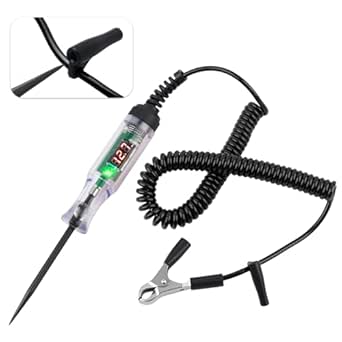
- Assess the probe's build quality and wire gauge; a robust tip and flexible, insulated lead are critical for poking into tight fuse boxes and connector backs.
- Confirm the functionality for locating shorts and activating components; a quality tester should safely power small loads like solenoids or lights for diagnosis without a separate power source.
What Our Analysts Recommend
A quality automotive test light will have a bright, unambiguous LED indicator, not an incandescent bulb, for clear polarity identification. The probe body should feel solid with a comfortable grip, and the alligator clip should be sturdy and spring-loaded for a solid ground connection, even on painted surfaces.
Circuit Testers Market Context
Market Overview
The market for basic automotive circuit testers is saturated with inexpensive imported tools, creating a wide variance in durability and electrical safety. While digital multimeters dominate complex diagnostics, simple probe testers like this remain essential for quick voltage checks and circuit continuity in noisy shop environments.
Common Issues
Common failures include fragile probe tips that break, thin wires that fray at the strain relief, and lack of true overload protection that can lead to a blown indicator when accidentally connected to AC power. Many budget testers also have dim LEDs that are hard to see in daylight.
Quality Indicators
Look for clear specifications on overload protection, often via an internal fuse or resistor. A well-made product will specify the wire length and gauge (e.g., 16 AWG) and feature a sealed probe body to prevent contamination from dirt and moisture common in engine bays.
Review Authenticity Insights
Grade B Interpretation
A Grade B authenticity score with a 10% estimated fake review rate suggests the vast majority of feedback is credible, but shoppers should remain slightly cautious of overly glowing reviews. The high 4.4 adjusted rating from verified purchases strongly indicates genuine user satisfaction.
Trust Recommendation
Focus on the verified purchase reviews, which are all confirmed for this product, and pay particular attention to 3- and 4-star reviews for balanced insights on limitations. The natural rating distribution, not just a wall of 5-stars, supports the rating's legitimacy.
Tips for Reading Reviews
For technical tools like this, prioritize reviews that describe specific use cases—such as 'tracking down a parasitic drain' or 'testing a trailer wiring harness'—over generic praise. Reviews mentioning long-term durability over months of use are more valuable than first-impression posts.
Expert Perspective
The data presents a compelling case: with an adjusted 4.4/5 rating from verified buyers and high authenticity, this tester performs reliably for its intended purpose. The specific 6V-24V DC range and advertised overload protection address key pain points in the category. Its strength appears to be straightforward electrical troubleshooting for DIYers and professionals who need a quick, durable tool for 12V systems, with the bonus of handling 24V applications.
Purchase Considerations
Weigh the convenience of an all-in-one probe for voltage, polarity, and component activation against the need for precise voltage readings or resistance measurement, which require a multimeter. This tool excels at speed and simplicity for common automotive electrical tasks but is not a replacement for advanced diagnostics.
Comparing Alternatives
Shoppers should compare wire length, probe tip design, and the clarity of the LED indicator with similar testers, as these physical attributes significantly impact daily usability.