Choosing a Digital Circuit Probe Tester for Automotive Electrical Diagnostics
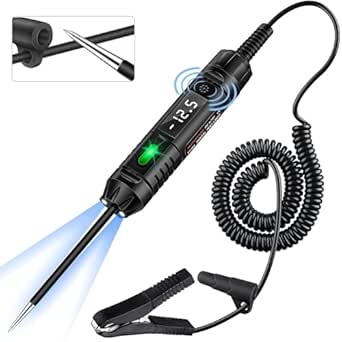
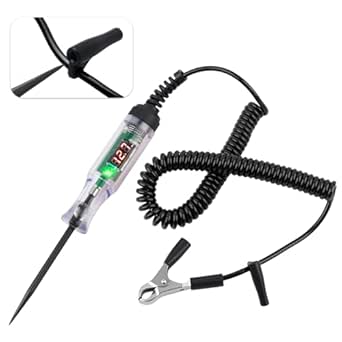
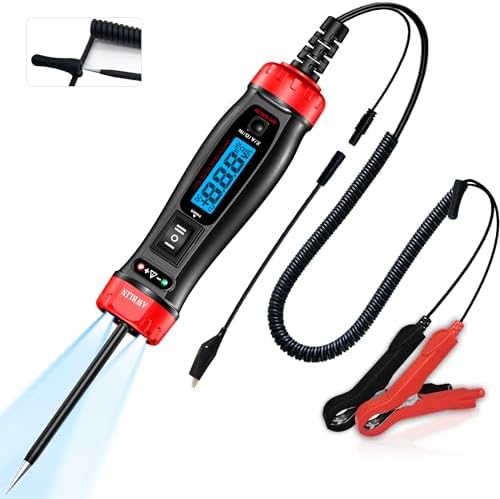
When selecting a digital circuit probe tester like this Power Circuit Probe model, focus on its dual functionality as both a voltage indicator and a continuity tester. This specific unit combines an LCD voltmeter with integrated lighting, designed for DC automotive systems up to 24V, making it particularly useful for relay, fuse, and component testing without needing separate tools.
Key Considerations Before Buying
- Verify the voltage range matches your needs—this tester handles 6-24V DC systems, covering most passenger vehicles but may not suit heavy-duty 48V systems.
- Consider the probe's physical durability and lead length; automotive environments demand rugged construction and sufficient reach for engine bay diagnostics.
- Evaluate the display clarity under various lighting conditions, as the LCD screen must be readable in both dark engine compartments and bright sunlight.
What Our Analysts Recommend
Quality automotive circuit testers feature bright LED indicators for voltage presence, audible continuity beepers that work in noisy environments, and probe tips that can penetrate wire insulation without damage. The integrated lighting on this model should provide adequate illumination for dark fuse boxes and connectors.
Circuit Testers Market Context
Market Overview
The automotive circuit tester market has shifted toward digital displays that provide precise voltage readings rather than simple light indicators, with Canadian consumers increasingly expecting multifunction tools. Products like this Power Circuit Probe represent the current trend combining voltage testing with continuity checking in single handheld units.
Common Issues
Budget circuit testers often suffer from fragile probe tips that bend during use, displays that wash out in sunlight, and inaccurate voltage readings below 1V. Some units lack proper protection against accidental reverse polarity or voltage spikes common in automotive electrical systems.
Quality Indicators
Look for testers with overvoltage protection circuits, high-contrast LCD displays with backlighting, and probes with replaceable tips. Quality units typically specify accuracy ratings (±0.1V) and include detailed manuals explaining how to test specific automotive components like relays and sensors.
Review Authenticity Insights
Grade B Interpretation
The Grade B authenticity rating with 15% estimated fake reviews indicates generally reliable feedback, though some reviews may be overly enthusiastic. The adjusted 4.60/5 rating from verified purchases suggests genuine satisfaction slightly lower than the perfect 5.00/5 average.
Trust Recommendation
Prioritize reviews discussing specific automotive applications like fuse box testing or relay diagnosis rather than generic praise. Given the 85% genuine review rate, look for detailed accounts of using the integrated lighting feature or voltage accuracy in real diagnostic scenarios.
Tips for Reading Reviews
Focus on reviews mentioning particular vehicle systems tested (like alternator circuits or sensor voltages) and those noting the probe's performance in cramped engine bays. Be skeptical of reviews that don't mention the digital display's readability or the tool's physical durability.
Expert Perspective
This Power Circuit Probe appears to fill a specific niche for DIY automotive enthusiasts needing basic voltage and continuity testing without multimeter complexity. The combination of digital voltage display with continuity testing addresses common diagnostic needs, though professionals might require higher accuracy. The strong verified purchase ratings (4.60/5 adjusted) suggest it performs reliably for its intended use cases, particularly given its focus on automotive DC systems rather than general electrical work.
Purchase Considerations
Weigh whether the integrated lighting and automatic voltage detection justify choosing this over separate multimeter and test light tools. Consider your typical diagnostic scenarios—this tool excels at quick fuse checks and relay testing but may lack the precision for sensitive computer circuit diagnosis.
Comparing Alternatives
Compare this unit's specific features against basic test lights and entry-level multimeters to determine which combination best suits your automotive electrical needs.