Choosing a Digital Automotive Test Light: Voltage Range, Display Clarity, and Probe Design Matter
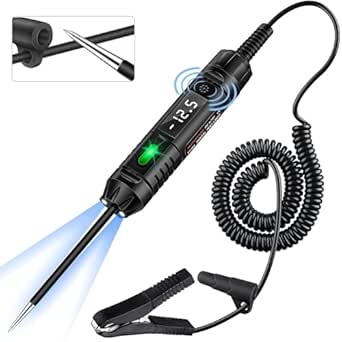
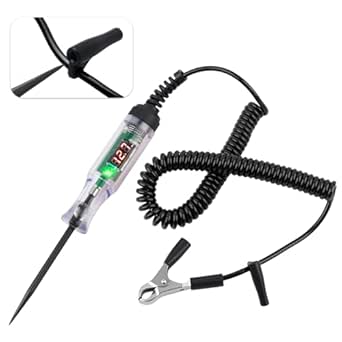
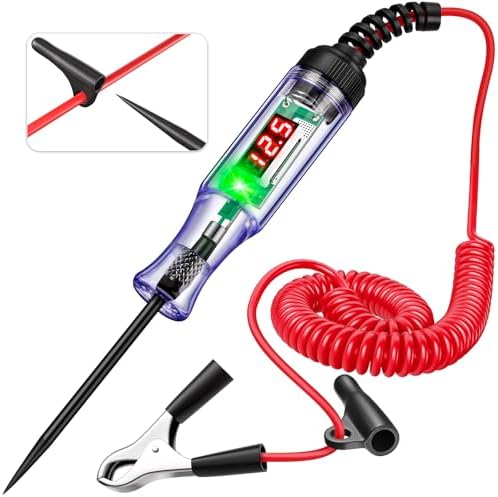
For automotive electrical diagnostics, a digital test light like this 5-90V model offers distinct advantages over traditional bulb-based testers. The specific features—bidirectional voltage detection, a digital display, and an extended spring wire—directly impact its utility for tracing faults in 12V/24V vehicle systems and RV electrical panels. Buyers should evaluate how these characteristics match their diagnostic needs.
Key Considerations Before Buying
- The 5-90V range is critical; it must accurately handle both standard 12V automotive systems and 24V systems found in some trucks and RVs, while also safely indicating lower control circuit voltages.
- The auto-bidirectional feature eliminates the need to manually determine polarity, which speeds up troubleshooting for fuses, relays, and wiring harnesses where ground references can be unclear.
- The physical design, specifically the extended spring wire and probe tip, determines accessibility in tight engine bays and fuse boxes, impacting whether you can reliably back-probe connectors without damage.
What Our Analysts Recommend
Prioritize a bright, clear digital display that remains readable in both dark under-dash conditions and bright sunlight. The probe tip should be sharp enough to pierce wire insulation for probing but robust enough not to bend; a magnetic tip can be a bonus for hands-free work. Check that the extended wire retracts smoothly and the alligator clip makes solid contact on unpainted ground points.
Circuit Testers Market Context
Market Overview
The automotive circuit tester market is shifting from simple incandescent test lights to digital models with voltage readouts, driven by the complexity of modern vehicle electronics. Products now compete on features like auto-ranging, voltage display accuracy, and added functionality for CAN bus or duty cycle signals, though this model focuses on core DC voltage and continuity testing.
Common Issues
Common failures in this category include fragile probe tips, displays that wash out in sunlight, and inaccurate voltage readings below 5V or near the upper range limit. Spring-loaded retractable wires often jam or fail to retract, and poor alligator clip connections can give false 'no power' readings.
Quality Indicators
Look for clear specifications on voltage accuracy (typically ±0.1V-0.5V for digital units) and a robust housing rated for drop resistance. Quality testers use high-visibility LEDs alongside the digital display for quick 'power present' indications and have well-insulated probes meeting CAT II or III safety standards for automotive use.
Review Authenticity Insights
Grade B Interpretation
A 'B' grade with a 10% estimated fake review rate suggests the review corpus is largely reliable but requires careful reading. For this product, it indicates most feedback on the voltage display's readability and probe durability is likely genuine, though a small portion of overly effusive reviews about 'life-changing' performance should be scrutinized.
Trust Recommendation
Focus on the verified purchase reviews that discuss specific use cases, like checking RV converter output or diagnosing a parasitic draw. Given the high adjusted rating of 4.60/5, the consensus on core functionality is strong, but pay extra attention to critical reviews mentioning display failure or wire retraction issues to balance the perspective.
Tips for Reading Reviews
For automotive testers, prioritize reviews that mention testing under real conditions—like in a cold garage or on a corroded battery terminal. Look for mentions of long-term durability over several months, not just initial impressions, as mechanical components like the spring wire and probe are common wear points.
Expert Perspective
This digital test light presents a strong value proposition for DIYers and technicians needing more precision than a basic test light but less complexity than a full multimeter. The 4.60 adjusted rating from verified purchases strongly indicates it performs its core functions—voltage display and continuity testing—reliably. The specific 5-90V range and auto-bidirectional detection are practical features that address common automotive diagnostic frustrations, such as identifying switched vs. constant power in fuse boxes. The high rating likely reflects satisfaction with these targeted features at a competitive price point.
Purchase Considerations
Weigh the convenience of the integrated digital display against the need for absolute precision; this is a diagnostic tool for identifying presence/absence of voltage and approximate levels, not for calibrating sensors. Consider if your work frequently requires testing in tight spaces where the extended wire and probe design would be a significant advantage over bulkier multimeter leads.
Comparing Alternatives
Shoppers should compare this model's specific voltage range and probe design against simpler LED test pens or more advanced multimeters to ensure it matches their diagnostic workflow.