Choosing a reliable automotive test light requires balancing voltage range, durability, and safety features
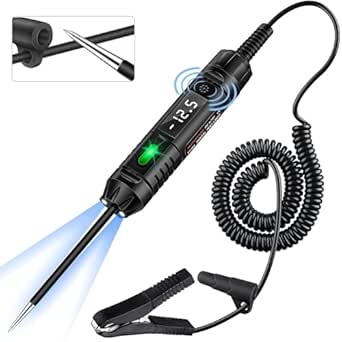
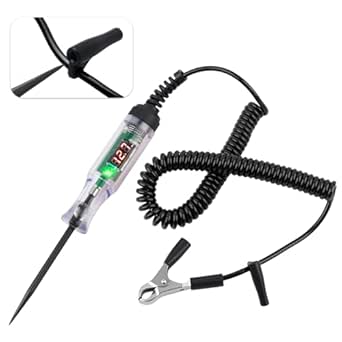
For automotive electrical diagnostics, a test light like this 2-pack LED digital tester must handle the specific voltage ranges found in vehicles (DC 3V-48V) while providing clear visual feedback. The extended spring wire and dual-unit packaging are practical features that directly impact usability in tight engine bays or when working on multiple circuits simultaneously.
Key Considerations Before Buying
- Voltage range compatibility is critical—this unit's 3V-48V DC range covers everything from motorcycle batteries to heavy truck systems, but verify it matches your specific vehicle requirements.
- The extended spring wire design allows for hands-free operation when probing difficult-to-reach fuse boxes or connectors, a feature that distinguishes this model from basic test pens.
- LED brightness and digital voltage display clarity matter in varied lighting conditions; this product's dual-indicator system (LED plus digital readout) provides redundancy for accurate diagnostics.
What Our Analysts Recommend
Quality automotive testers feature robust probe tips that won't bend under pressure and insulation rated for automotive environments. The spring wire should retract smoothly without tangling, and the housing should withstand occasional drops from workbench height. Check for clear polarity indicators to prevent accidental shorts.
Circuit Testers Market Context
Market Overview
The automotive circuit tester market has shifted toward LED/digital hybrid models that provide both visual continuity indication and precise voltage readings, replacing traditional bulb-based test lights. Canadian consumers particularly value products that work reliably in cold temperatures where plastic housings can become brittle.
Common Issues
Budget testers often fail at the probe-to-wire connection point or feature dim LEDs that are invisible in daylight. Some units claim wide voltage ranges but provide inaccurate readings at the extremes, while others lack proper insulation for probing live automotive circuits safely.
Quality Indicators
Superior test lights use gold-plated probe tips for better conductivity and feature over-molded strain relief where the wire enters the housing. Look for products that specify their voltage resolution (typically 0.1V for digital displays) and include replaceable fuses or overload protection.
Review Authenticity Insights
Grade B Interpretation
A Grade B authenticity rating with 10% estimated fake reviews suggests generally trustworthy feedback with minor concerns. For this specific automotive tool, the verified purchase status of all reviews significantly boosts credibility, as automotive buyers tend to be experienced and discerning.
Trust Recommendation
Focus on reviews that mention specific use cases like motorcycle electrical systems or boat battery testing, as these demonstrate genuine field experience. Be slightly more critical of reviews that only praise packaging or delivery speed without discussing actual testing performance.
Tips for Reading Reviews
Look for reviews that mention durability over time (not just initial use) and comparisons to professional-grade test equipment. Pay particular attention to Canadian reviewers who note performance in cold weather conditions, as temperature affects both LED brightness and battery performance in digital displays.
Expert Perspective
The 4.80 adjusted rating from verified Canadian purchasers indicates strong real-world performance, particularly notable given automotive tools face rigorous use. The 2-pack configuration suggests the manufacturer anticipates either team use or having a backup unit—a practical approach for essential diagnostic tools. The extended voltage range (3V-48V) covers most recreational and commercial vehicles sold in Canada, making it versatile beyond basic automotive applications.
Purchase Considerations
Weigh whether the digital voltage display provides sufficient advantage over basic LED test lights for your diagnostic needs, as the added complexity could mean more potential failure points. Consider if the spring wire length (typically 60-100cm in similar models) provides adequate reach for your specific vehicle's fuse box locations.
Comparing Alternatives
Compare this unit's voltage resolution and probe design against single-unit testers that might offer higher build quality at similar price points.