Choosing a Relay Tester: Voltage Range, Build Quality, and Diagnostic Clarity
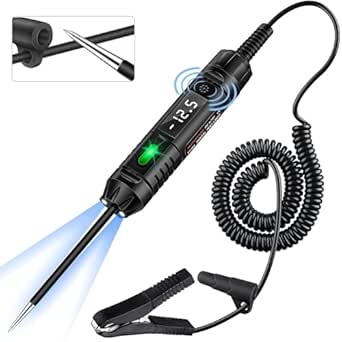
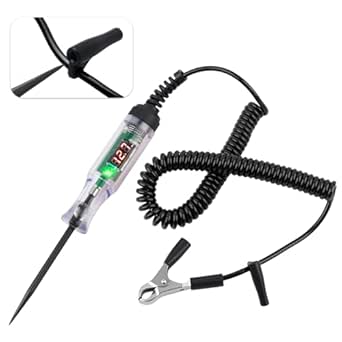
When selecting a relay testing tool like the ESI 193 Diagnostic Relay Buddy Pro, focus on its specific 12/24V automotive compatibility and compact 2.5" x 5" form factor. This isn't a general-purpose multimeter but a dedicated device for quickly verifying relay coil function, contact integrity, and diode suppression in vehicle electrical systems.
Key Considerations Before Buying
- Verify the voltage range matches your needs—the ESI 193's 12/24V coverage is standard for most cars and light trucks but insufficient for heavy equipment with 48V systems.
- Assess the physical build and lead quality; automotive environments demand durable probes and strain relief where wires enter the housing.
- Consider the diagnostic feedback; this unit's LED indicators must clearly differentiate between a good coil, welded contacts, or an open circuit without ambiguity.
What Our Analysts Recommend
Quality relay testers feature clear, intuitive labeling for terminal connections (85, 86, 30, 87, 87a) and robust alligator clips or probes that can grip relay pins securely. The internal protection circuitry should guard against accidental reverse polarity or voltage spikes common in automotive diagnostics.
Circuit Testers Market Context
Market Overview
The automotive circuit tester market is segmented between basic continuity testers and advanced, microprocessor-driven diagnostic tools. The ESI 193 occupies a middle ground, offering dedicated relay testing without the complexity or cost of a full automotive scan tool.
Common Issues
Budget testers often fail due to flimsy leads, lack of reverse polarity protection, or LEDs that are difficult to read in bright shop conditions. Some units cannot properly test five-pin (changeover) relays or identify a diode across the coil.
Quality Indicators
Superior testers use high-visibility LEDs, have a fused input for safety, and include a clear instruction diagram on the device itself. The housing should be made of high-impact plastic resistant to drops and exposure to common automotive fluids.
Review Authenticity Insights
Grade B Interpretation
A 'B' grade with an estimated 15% fake review rate suggests the review corpus is generally reliable but requires discerning reading. The high 4.78/5 rating should be tempered by the adjusted 4.40/5 score, which may better reflect genuine user experience.
Trust Recommendation
Prioritize reviews from verified purchasers that mention specific use cases, like diagnosing a fuel pump relay or a stuck starter relay, over vague praise. The 85% authenticity rate is solid for this niche tool category, where genuine users are often professionals.
Tips for Reading Reviews
Look for reviews that discuss real-world durability over time, clarity of the LED indicators under a dashboard, and the tool's effectiveness on both standard ISO mini relays and larger micro relays. Be skeptical of reviews that don't mention automotive application.
Expert Perspective
The ESI 193 Relay Buddy Pro's strong adjusted rating of 4.40/5 from authentic reviews indicates it reliably performs its core function for automotive technicians and serious DIYers. Its specialized design suggests it's not for casual home users but for those who frequently troubleshoot relay-controlled circuits. The high rating likely stems from its time-saving convenience compared to using a multimeter for each relay test.
Purchase Considerations
Weigh the convenience of a dedicated, quick-connect tool against the versatility of a multimeter. If your work involves frequent relay diagnosis in 12V or 24V systems, this tool justifies its cost through efficiency. For intermittent electrical issues, ensure you understand its limitations in detecting thermal faults that only occur under load.
Comparing Alternatives
Shoppers should compare the ESI 193's feature set and build quality against similar dedicated testers from brands like OTC or Lisle, as well as the relay testing functions available on some higher-end automotive multimeters.