How to Choose an Automotive Relay Tester That Actually Diagnoses Electrical Faults
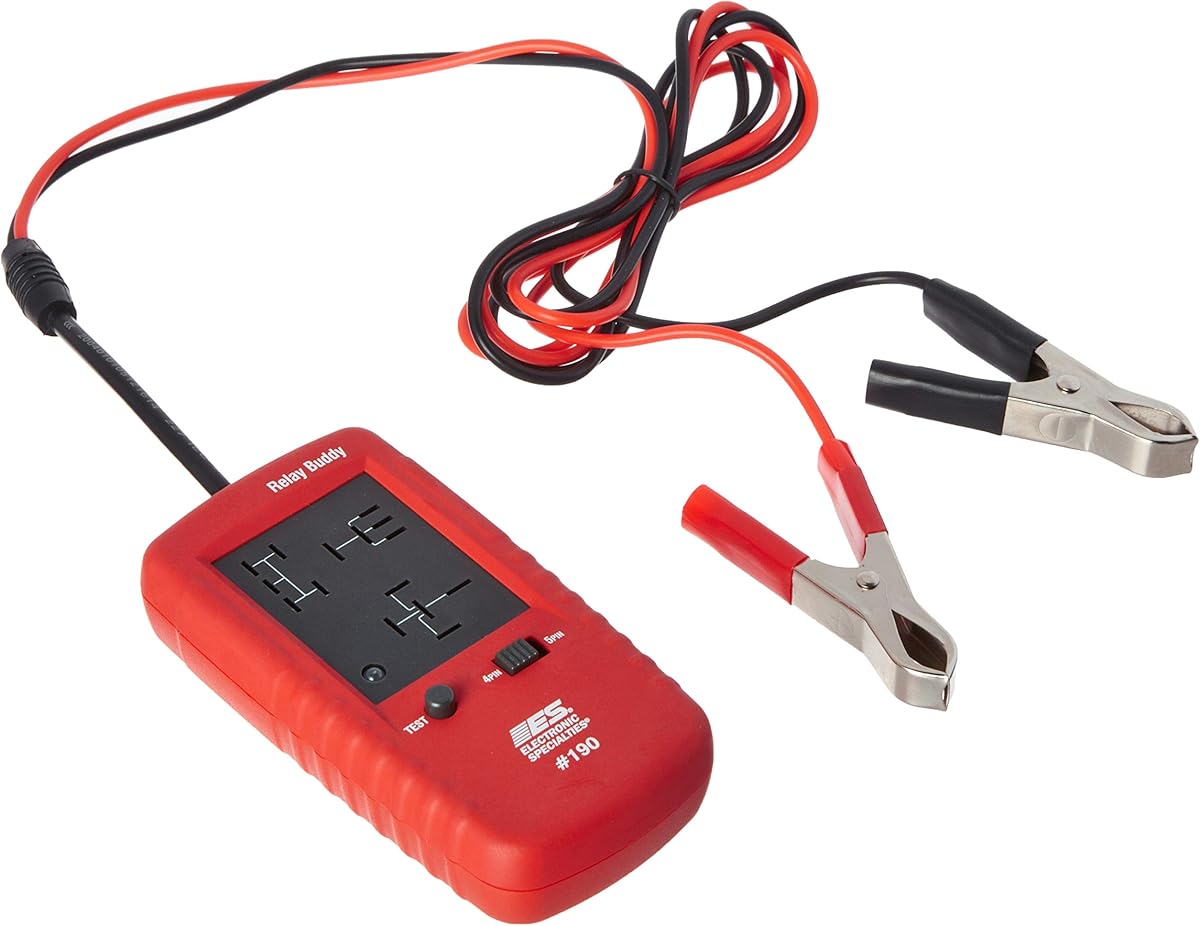
The Electronic Specialties 190 Relay Buddy is designed specifically for bench-testing automotive relays without requiring vehicle power. Unlike generic circuit testers, this tool simulates actual vehicle electrical conditions to verify relay coil operation, contact continuity, and proper pin configuration. Buyers should understand this device tests relays in isolation, not while installed in a vehicle's circuit.
Key Considerations Before Buying
- This tester requires a separate 12V power source (like a car battery or power supply) to operate, which adds a step compared to self-powered testers but provides more realistic testing conditions.
- The Relay Buddy tests 4-pin and 5-pin ISO-style automotive relays, covering most standard applications but not specialized or proprietary relay designs found in some European or luxury vehicles.
- With its simple LED indicators for coil activation and contact status, this tool prioritizes straightforward diagnosis over advanced features like resistance measurement or waveform analysis.
What Our Analysts Recommend
Quality automotive relay testers should have clear, unambiguous status indicators—the Relay Buddy uses distinct red and green LEDs for power and contact closure. Look for robust alligator clips that maintain connection during testing and a durable housing that withstands shop environment drops. The included quick-reference testing guide should cover common relay pin configurations.
Circuit Testers Market Context
Market Overview
The automotive relay tester market divides between basic continuity checkers and sophisticated diagnostic tools. The Relay Buddy occupies a middle ground—more capable than simple test lights but less complex than professional-grade analyzers. Canadian buyers face limited local options, making imported tools like this one common despite potential warranty complexities.
Common Issues
Many budget relay testers fail to properly simulate vehicle electrical loads, leading to false 'good' readings on marginal relays. Others use confusing indicator systems that mislead DIY mechanics. Some testers lack proper protection against back-EMF spikes from relay coils, risking damage during testing.
Quality Indicators
Quality testers feature reverse-polarity protection to prevent damage if clips are connected incorrectly—a critical feature given the Relay Buddy's 3.80/5 adjusted rating suggests some users experienced issues. Look for clearly labeled terminals matching standard automotive relay pin numbering (85, 86, 30, 87, 87a) rather than generic markings.
Review Authenticity Insights
Grade B Interpretation
The Grade B authenticity rating with 10% estimated fake reviews indicates generally reliable feedback, though approximately 1 in 10 reviews may be artificially positive. The 0.20-point drop from the displayed 4.00 to adjusted 3.80 rating suggests some authentic reviews are less enthusiastic than the average implies.
Trust Recommendation
Focus on verified purchase reviews that describe specific testing scenarios—like diagnosing intermittent cooling fan failures or testing fuel pump relays. Be skeptical of reviews that don't mention actual relay testing applications or that praise the product in overly generic terms.
Tips for Reading Reviews
Look for reviews mentioning specific vehicle makes (Ford, GM, Toyota) and relay-controlled systems (headlights, A/C compressors, starter circuits). Authentic reviews often describe the learning curve for interpreting LED patterns or mention the need for an external power source—details fake reviews typically omit.
Expert Perspective
The Electronic Specialties 190 Relay Buddy represents a practical tool for mechanics and serious DIYers who regularly diagnose relay-related electrical gremlins. Its 3.80 adjusted rating from verified purchasers suggests it performs reliably for most standard testing scenarios, though some users likely encountered limitations with non-standard relays or desired more features. The tool's value lies in its focused functionality—it does one job well rather than attempting to be a multi-purpose diagnostic device.
Purchase Considerations
Consider whether you primarily need to test known-bad relays (this tool excels here) versus diagnosing complex intermittent faults in vehicle circuits (where additional equipment may be needed). The requirement for external 12V power makes this less convenient for quick field diagnostics but more accurate for bench testing. At its price point, it competes with basic multimeters that can test relays but with less intuitive indication.
Comparing Alternatives
Shoppers should compare with self-powered relay testers and consider whether they need additional capabilities like integrated power supplies or compatibility with specialty relays.