
Bone Conduction Headphones: What Runners and Cyclists Must Know
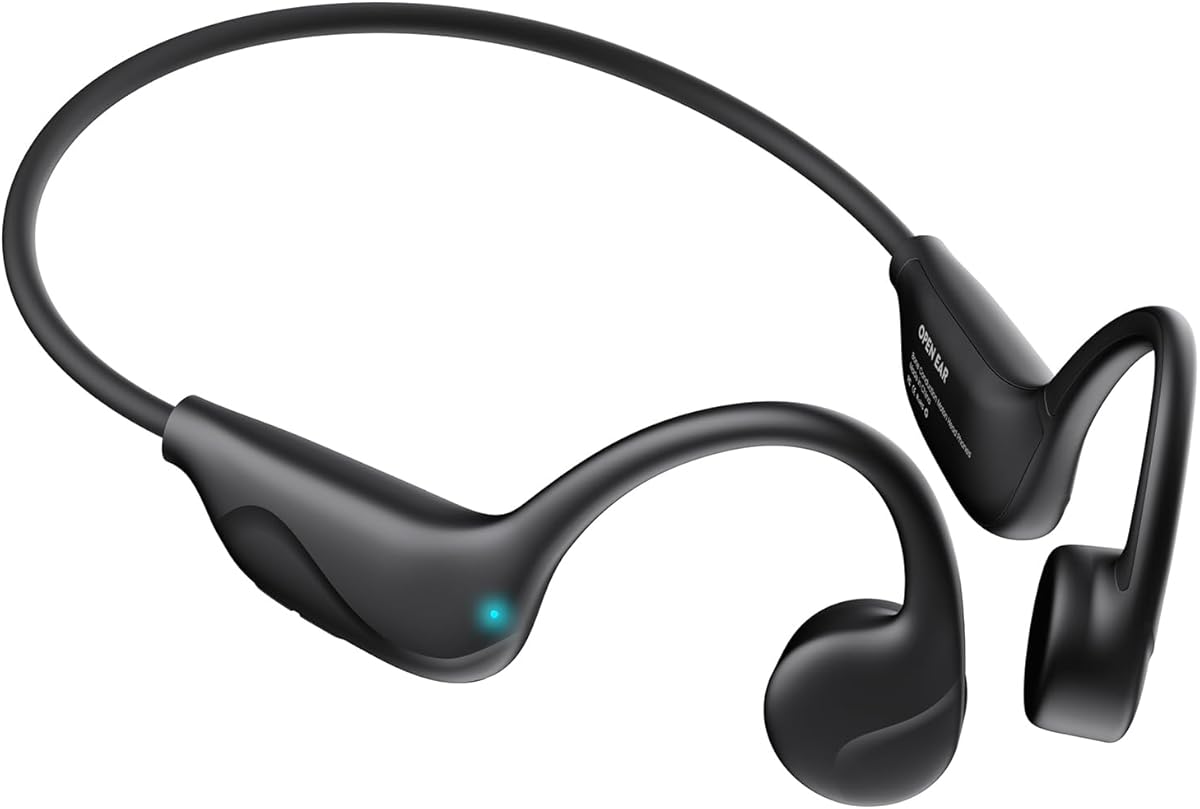
Bone conduction headphones like this Bluetooth V6.0 model transmit sound through your cheekbones, leaving your ears open to traffic and surroundings—a key safety advantage for outdoor athletes. This pair adds a 12-hour battery and IPX5 water resistance, but the open-ear design means you'll sacrifice bass depth and noise isolation.
Key Considerations Before Buying
- Sound quality is inherently different from traditional earbuds: bone conduction prioritizes awareness over audio fidelity, so expect clear mids and vocals but limited bass and no passive noise cancellation. If you need immersive sound for gym focus, this isn't the right fit.
- Fit and stability matter more than specs: the headband-style design must stay put during high-impact activities like running or cycling. Look for adjustable tension and lightweight construction (typically 25–30g) to avoid pressure points during long sessions.
- Battery life claims need context: 12 hours is generous for bone conduction, but volume levels and Bluetooth version affect real-world performance. Bluetooth 6.0 isn't a standard version yet—this is likely a marketing label for a proprietary chipset, so verify connectivity stability in reviews.
What Our Analysts Recommend
Prioritize models with clear tactile controls (not just touch panels that misfire with sweat), a reliable IPX5 or higher rating for sweat and rain resistance, and a microphone that performs in windy conditions. Check whether the charging port uses a sealed cover or magnetic connector—the latter is more durable for sport use.
Open-Ear Headphones Market Context
Market Overview
The open-ear headphone market has exploded as safety-conscious runners and cyclists seek alternatives to noise-isolating earbuds. Bone conduction remains a niche within that space, dominated by premium brands like Shokz, with budget options increasingly common—but quality varies widely in vibration strength, comfort, and Bluetooth reliability.
Common Issues
Buyers frequently report two problems: weak bass that makes music sound thin, and vibration tickling or discomfort during long wear. Cheaper models also suffer from poor microphone performance on calls and Bluetooth dropouts when the phone is in a back pocket or hydration pack.
Quality Indicators
Strong bone conduction headphones use larger transducers for fuller sound, flexible titanium bands for a secure fit, and Bluetooth 5.0 or higher for stable connections. Waterproof ratings should be clearly stated (IPX5 means resistance to water jets, not submersion), and reputable brands publish realistic battery life at moderate volume.
Review Authenticity Insights
Grade B Interpretation
A Grade B authenticity score with an estimated 12% fake reviews means most reviews are genuine, but a small cluster may be incentivized or exaggerated. The adjusted rating of 4.70/5 (versus the perfect 5.00) suggests real-world satisfaction is high but not flawless—likely reflecting minor complaints about bass or fit.
Trust Recommendation
Trust the overall sentiment but verify specifics: look for reviews that mention actual usage scenarios (running in rain, cycling with traffic) and balanced pros/cons. Be skeptical of reviews that only praise without any criticism, especially if they use identical phrasing or were posted within days of each other.
Tips for Reading Reviews
Filter for reviews with photos or detailed fit descriptions, and sort by 'Most Recent' to see if quality holds over time. Pay attention to comments about sweat resistance and Bluetooth range—these are common failure points that generic five-star reviews often miss.
Expert Perspective
This bone conduction model offers a compelling value proposition: 12-hour playtime and IPX5 water resistance at a likely budget price, backed by mostly genuine positive reviews. However, the 'Bluetooth V6.0' claim is a red flag—no official Bluetooth 6.0 exists, so this is likely a rebranded 5.x chip, which may affect connection stability. The 4.70 adjusted rating suggests solid performance for casual athletes, but audiophiles should temper expectations on sound quality.
Purchase Considerations
Weigh your priorities: if you need maximum situational awareness for outdoor workouts and can accept modest bass, this is a cost-effective entry point. But if you demand premium sound or frequent calls in noisy environments, consider saving for a brand with proven bone conduction technology and better microphone arrays.
Comparing Alternatives
Compare with established bone conduction brands like Shokz (formerly AfterShokz) and newer open-ear competitors such as Oladance or Bose Frames to evaluate trade-offs in sound, comfort, and price before committing.


