
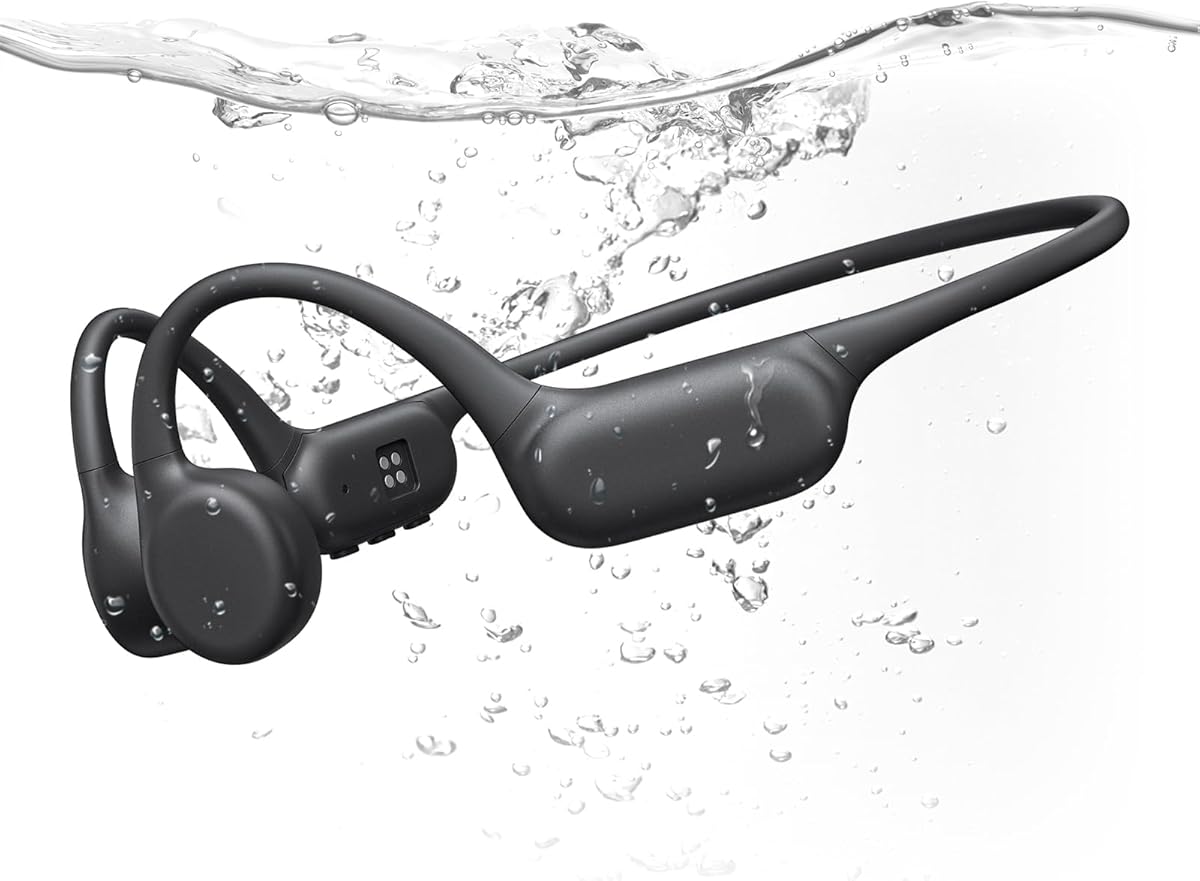
Choosing Bone Conduction Headphones for Swimming, Running, and Situational Awareness
The PSIER model combines three specialized features that define modern open-ear audio: IPX8 waterproofing for submersion, 32GB onboard MP3 storage for phone-free workouts, and Bluetooth 5.4 for stable connectivity. Buyers should evaluate how these specific characteristics align with their primary activity, whether it's lap swimming, trail running, or gym sessions where hearing your surroundings is critical.
Key Considerations Before Buying
- For swimmers, verify the IPX8 rating means true submersion capability, not just splash resistance, and that the MP3 mode's 32GB storage is sufficient for your playlist library without a Bluetooth connection.
- Runners and cyclists should prioritize the secure fit mechanism described in reviews to prevent bounce during high-impact motion, as bone conduction units are more susceptible to shifting than in-ear buds.
- Assess your need for situational awareness versus audio fidelity; bone conduction technology inherently trades some bass response for the safety benefit of keeping ear canals open to ambient sounds like traffic or conversation.
What Our Analysts Recommend
High-quality bone conduction headphones will minimize sound leakage (a common complaint in cheaper models) while maintaining comfortable clamp force over the temporal bone. Look for specific mentions of the charging port cover's integrity, as this is a critical failure point for waterproof electronics. Reviews that detail multi-hour comfort during specific activities like long runs or swim sets are stronger indicators of real-world performance than generic praise.
Open-Ear Headphones Market Context
Market Overview
The open-ear headphone market has expanded beyond early-adopter audio quality compromises, with current models like the PSIER focusing on robust feature sets for specific sports. Bone conduction technology is now competing with other open-ear designs like clip-on and behind-the-neck buds, creating distinct sub-categories for different use cases.
Common Issues
Users frequently report discomfort from prolonged pressure on the temples, inconsistent Bluetooth connectivity during movement, and inadequate bass response compared to traditional headphones. Waterproof claims are also a pain point, with some units failing at charging port seals or after repeated chlorine exposure.
Quality Indicators
Superior bone conduction models demonstrate minimal audio vibration on the cheekbones, clear microphone performance for calls in windy conditions, and durable, flexible titanium frames that return to shape. A high IPX8 rating (not IPX7 or lower) is essential for true swimming use, and onboard storage should be genuinely usable without cumbersome file management.
Review Authenticity Insights
Grade B Interpretation
A Grade B authenticity rating with a 10% estimated fake review rate suggests the vast majority of feedback is legitimate, but shoppers should remain slightly cautious of overly effusive reviews. The adjusted rating of 4.60/5 (down from 4.89/5) after filtering indicates the product's true performance is still excellent, just not quite at the near-perfect level the raw average suggests.
Trust Recommendation
Focus on the 90% of reviews deemed authentic, particularly those from verified purchasers detailing specific use cases like 'used for 50 laps in a chlorinated pool' or 'survived a marathon training cycle.' The high volume (1,759 reviews) with consistent themes around waterproof reliability and secure fit gives confidence in these reported strengths.
Tips for Reading Reviews
Prioritize reviews that mention the MP3 mode's interface, Bluetooth pairing stability with specific devices like Garmin watches or older phones, and long-term durability over months of use. Be skeptical of reviews that only praise generic 'sound quality' without comparing it to the inherent limitations of bone conduction technology.
Expert Perspective
The PSIER headphones present a compelling package for athletes who prioritize environmental awareness and waterproof integrity above absolute audio perfection. The combination of IPX8 rating, substantial onboard storage, and Bluetooth 5.4 addresses the core trifecta of needs for swimmers and runners. The high authentic rating (4.60/5) from a large review pool indicates real-world satisfaction, particularly with the secure fit and battery life meeting advertised claims. The product's specialization means it excels in its niche but isn't designed as an all-purpose audio solution.
Purchase Considerations
Weigh the convenience of the 32GB MP3 mode against your willingness to manage files directly on the device versus streaming. Consider if your primary activity truly requires open-ear design, or if your use case involves quiet environments where traditional headphones would suffice. The secure fit is paramount for high-impact sports, so if your head size is atypical, scrutinize fit-related reviews carefully.
Comparing Alternatives
Shoppers should compare the PSIER's specific 8-hour battery life and IPX8 rating against competitors like Shokz OpenSwim (MP3-only) or OpenRun Pro (Bluetooth-focused) to see which feature balance best matches their dominant activity.


