
What to Know Before Buying a DIY RC Paper Airplane Kit
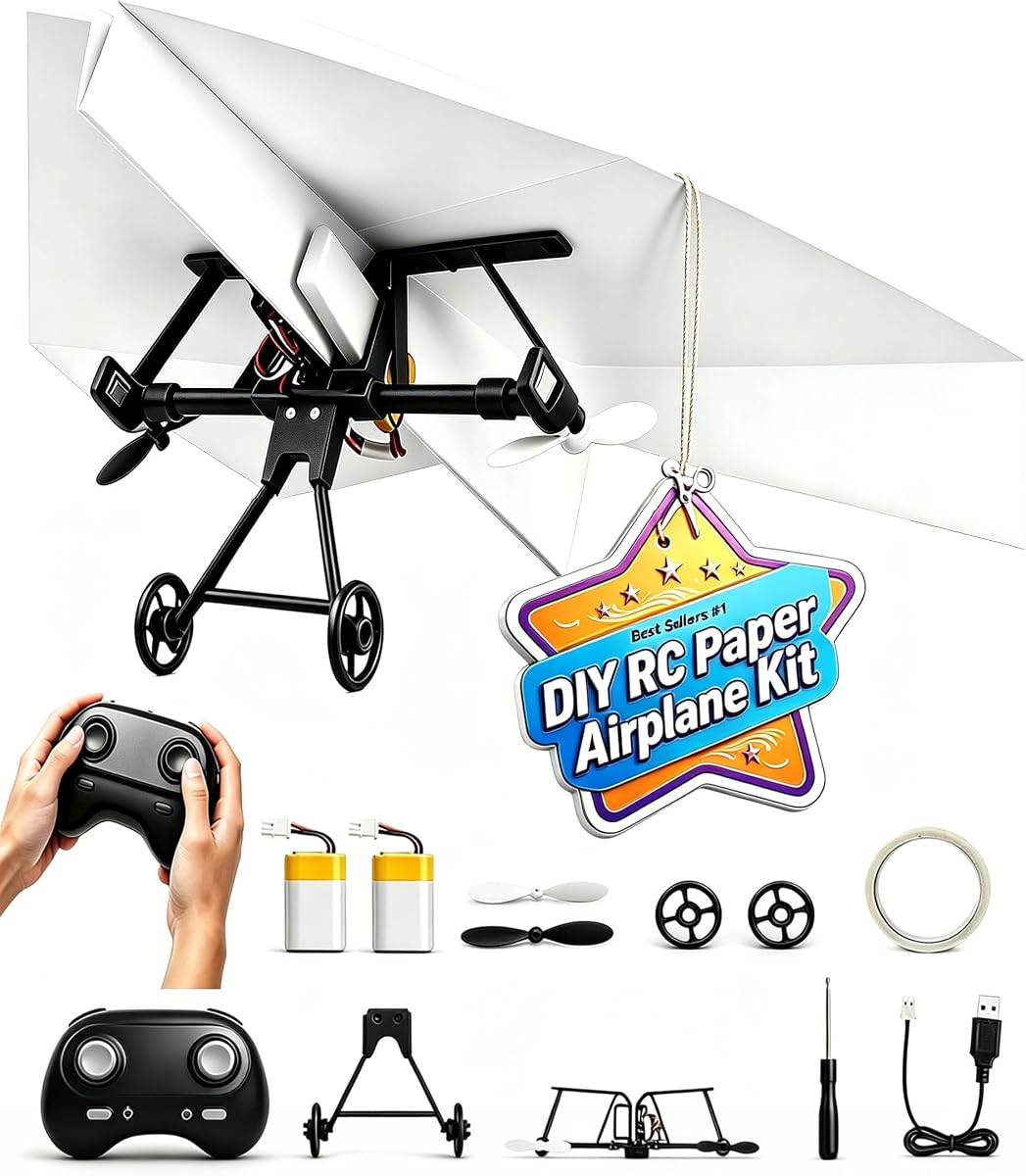
This kit combines the simplicity of paper airplane construction with RC electronics, making it an appealing entry point for beginners and a fun project for hobbyists. With two included batteries, it promises extended flight sessions, but the DIY nature means assembly and tuning are part of the experience. Understanding the trade-offs of a paper-based airframe will help you decide if this kit matches your expectations.
Key Considerations Before Buying
- Assembly complexity: Unlike pre-built RC planes, this kit requires folding, mounting electronics, and balancing. Beginners should be comfortable with hands-on building and basic troubleshooting.
- Durability and repairability: Paper airframes are lightweight and crash-friendly but prone to creasing and moisture damage. Consider whether you enjoy repairing or replacing parts as part of the hobby.
- Battery life and charging: Two batteries double your flight time, but check the charger type and charge time. A spare battery is only useful if you can recharge quickly between flights.
What Our Analysts Recommend
Look for clear instructions and quality electronics, especially the motor and receiver, as these determine reliability. Check if replacement airframe templates or parts are available, since paper components wear out. Reviews mentioning stable flight and easy assembly are good signs of a well-designed kit.
Airplanes & Jets Market Context
Market Overview
The RC airplane market is dominated by ready-to-fly foam models, but DIY paper airplane kits occupy a niche for tinkerers and educators. These kits are often sold as STEM toys or beginner projects, with prices ranging from budget to mid-range. The category is small, so quality varies widely, and customer reviews are crucial for identifying reliable products.
Common Issues
Common complaints in this category include flimsy paper that tears easily, weak motors that struggle in light wind, and vague instructions that leave beginners frustrated. Range and control can also be limited compared to hobby-grade RC planes. Buyers should expect a learning curve and potential need for modifications.
Quality Indicators
High-quality kits use sturdy paper or cardstock, provide spare parts, and include detailed assembly guides. Electronics with branded components (e.g., known motor sizes) and adjustable trim settings are signs of better engineering. Responsive customer service and a community of users sharing tips also indicate a reputable product.
Review Authenticity Insights
Grade B Interpretation
A Grade B authenticity rating with an estimated 15% fake reviews means most reviews are genuine, but some may be incentivized or exaggerated. The adjusted rating of 4.20 versus the displayed 4.50 suggests that removing suspicious reviews lowers the score modestly, indicating generally positive but not flawless performance.
Trust Recommendation
Trust the adjusted rating more than the headline score, and focus on reviews that describe specific flight experiences or build challenges. Verified purchase reviews with balanced pros and cons are likely reliable. Be cautious of reviews that are overly enthusiastic without details.
Tips for Reading Reviews
When reading reviews for this kit, look for mentions of assembly time, flight stability, and battery performance. Reviews that compare it to other RC planes or mention modifications can provide useful insights. Pay attention to repeated issues across multiple reviews, as these are likely genuine.
Expert Perspective
The DIY RC Paper Airplane Kit offers a unique blend of crafting and flying, suitable for beginners who want to learn the basics of RC flight. With a solid 4.2 adjusted rating from a small sample, it appears to satisfy most buyers, though the 15% fake review estimate warrants some caution. The inclusion of two batteries is a practical bonus that addresses a common pain point in RC toys. However, the paper construction limits durability and wind resistance, so it's best suited for calm outdoor or indoor use.
Purchase Considerations
Consider your willingness to troubleshoot and repair, as paper planes require maintenance. If you prefer a ready-to-fly experience, a foam RC plane might be a better fit. Also, check the availability of replacement parts and the return policy in case the kit doesn't meet expectations.
Comparing Alternatives
Shoppers should compare this kit with other DIY RC airplanes or entry-level foam planes to assess value, durability, and ease of use.


