Portable Range Hoods: What to Know Before You Buy
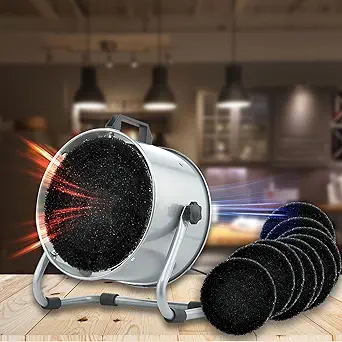
Portable range hoods like this model with 9 activated carbon filters are designed for indoor grilling, hot pot, and RV cooking where traditional venting isn't possible. Unlike ducted hoods, these units rely on filtration and recirculation, so understanding their airflow and filter capacity is key.
Key Considerations Before Buying
- Suction power is often measured in CFM, but for portable units, actual capture efficiency depends on hood placement and filter condition. Look for models that specify CFM and offer multiple fan speeds to handle smoke from high-heat cooking.
- Activated carbon filters are the primary defense against odors and grease; the number of filters included (like the 9 here) affects long-term cost. Check filter replacement frequency and availability, as proprietary filters can be expensive.
- Noise levels vary significantly; portable hoods can be louder than expected at high settings. If you plan to use it in a small RV or desktop space, consider decibel ratings and whether lower speeds are sufficient for your cooking style.
What Our Analysts Recommend
Prioritize units with washable or replaceable grease filters in addition to carbon filters, as grease buildup can clog carbon quickly. A sturdy mounting system or stable base is also important for safety, especially when used over hot pots or grills.
Range Hoods Market Context
Market Overview
The portable range hood market has grown with the rise of indoor cooking trends like hot pot and tabletop grilling, especially in apartments and RVs where permanent ventilation is lacking. These units bridge the gap between air purifiers and traditional hoods, but performance varies widely.
Common Issues
Many portable hoods struggle with high-heat smoke and strong odors, and carbon filters can saturate quickly, leading to reduced effectiveness. Users often complain about noise and the need for frequent filter changes, which can add to ownership costs.
Quality Indicators
Quality portable hoods feature robust fan motors, easy-to-access filter compartments, and clear airflow ratings. Brands that offer replacement filters and provide detailed specifications on capture efficiency are more reliable.
Review Authenticity Insights
Grade B Interpretation
A Grade B authenticity rating with an estimated 15% fake reviews means most reviews are genuine, but a noticeable minority may be incentivized or exaggerated. The adjusted rating of 4.6/5 still indicates strong overall satisfaction, but it's wise to scrutinize reviews for specifics.
Trust Recommendation
Focus on reviews that mention concrete use cases like indoor BBQ or hot pot and detail filter life and noise levels. Be cautious of reviews that are overly brief or generic, as they may be less reliable.
Tips for Reading Reviews
Look for reviewers who describe their cooking setup and compare the product to alternatives; these provide actionable insights. Pay attention to complaints about filter replacement and suction power, as these are common pain points.
Expert Perspective
This portable range hood stands out for including 9 activated carbon filters, which addresses a common pain point of frequent replacements. With a 5.00/5 rating from 42 reviews and an adjusted 4.60/5, it appears to perform well for its niche, though the small sample size and 15% potential fake reviews warrant some caution. The focus on indoor BBQ and hot pot suggests it's tailored for high-smoke cooking, but users should verify actual suction power.
Purchase Considerations
Weigh the upfront cost against the value of included filters and whether the unit's noise level is acceptable for your space. Consider the availability of replacement filters and the warranty, as these affect long-term usability.
Comparing Alternatives
Compare with other portable hoods that offer similar filter counts and check for user feedback on smoke capture efficiency, as performance can vary significantly.