
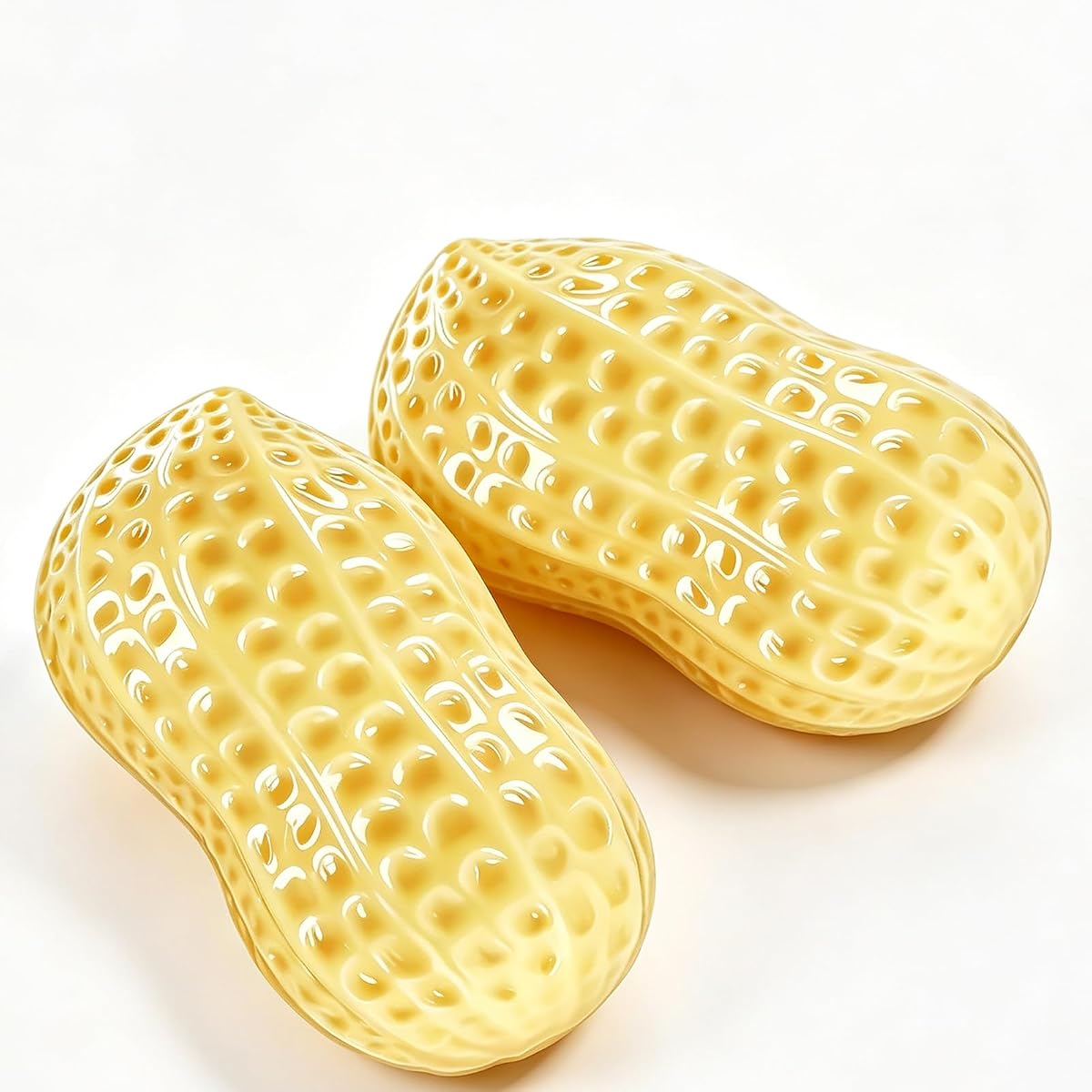
What to Know Before Buying Peanut-Shaped TPR Stress Balls
This two-pack of peanut-shaped stress balls is made from TPR (thermoplastic rubber), a material chosen for its balance of softness and durability. Unlike standard round squeeze balls, the peanut shape is designed to fit the palm and fingers for varied grip exercises, making it a consideration for office focus or anxiety relief.
Key Considerations Before Buying
- Material and firmness: TPR offers a soft, slightly tacky feel that some users find ideal for repeated squeezing, but firmness can vary between batches; check reviews for consistency comments.
- Size and portability: These balls are compact enough for desk use, but the peanut shape may not suit everyone's hand size—consider whether the ergonomic design matches your grip needs.
- Durability and maintenance: TPR can attract dust and may wear over time with heavy use; look for feedback on longevity and ease of cleaning to avoid premature replacements.
What Our Analysts Recommend
Prioritize stress balls with seamless construction and odor-free TPR, as cheap seams can split and low-quality rubber may have a strong smell. Reviews mentioning consistent firmness and no sticky residue are good indicators of quality.
Market Context
Market Overview
The stress relief ball market is saturated with generic options, but niche shapes like peanut designs cater to users seeking ergonomic benefits. TPR is increasingly popular over silicone or foam for its resilience, though quality varies widely across brands.
Common Issues
Common complaints include balls that are too hard or too soft, strong chemical odors, and rapid deterioration with frequent use. The peanut shape, while ergonomic, can be less effective for users with larger hands or those expecting a uniform squeeze.
Quality Indicators
High-quality stress balls have a uniform texture, minimal odor, and resist tearing at stress points. Look for brands that specify TPR grade and offer clear care instructions, as these often correlate with better manufacturing standards.
Review Authenticity Insights
Grade B Interpretation
A Grade B authenticity rating with an estimated 10% fake reviews suggests most reviews are genuine, but a small portion may be manipulated. This means you can generally trust the overall sentiment, but should be cautious of overly glowing or vague reviews.
Trust Recommendation
Focus on reviews that mention specific details like durability over time or comparisons to other stress balls, as these are harder to fake. Given the adjusted rating of 4.10/5, the product likely performs well for most users, but verify return policies in case of quality inconsistencies.
Tips for Reading Reviews
Seek out reviews with photos or detailed usage scenarios, such as office desk use or anxiety relief during specific activities. Pay attention to mixed reviews that highlight both pros and cons, as they often provide a balanced view of the product's limitations.
Expert Perspective
Based on the analysis, this 2-pack offers decent value for those seeking a portable, ergonomic stress ball, with a solid 4.33/5 rating tempered by a 4.10 adjusted score indicating some quality variance. The TPR construction is appropriate for hand grip exercises, but the peanut shape may not appeal to all users. With a Grade B authenticity rating, the feedback is largely reliable, though the 10% fake review estimate warrants a discerning eye.
Purchase Considerations
Weigh the ergonomic benefit of the peanut shape against potential firmness inconsistencies and the need for regular cleaning. If you have larger hands or prefer a uniform squeeze, this design might not be ideal; consider whether the two-pack justifies the risk of batch variation.
Comparing Alternatives
Shoppers should compare with other TPR stress balls that offer consistent firmness or different shapes, as well as options with stronger durability guarantees.