Choosing a 110V Portable Dryer: Balancing Compact Size with Realistic Drying Expectations
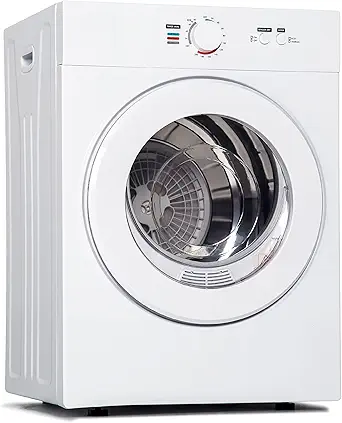
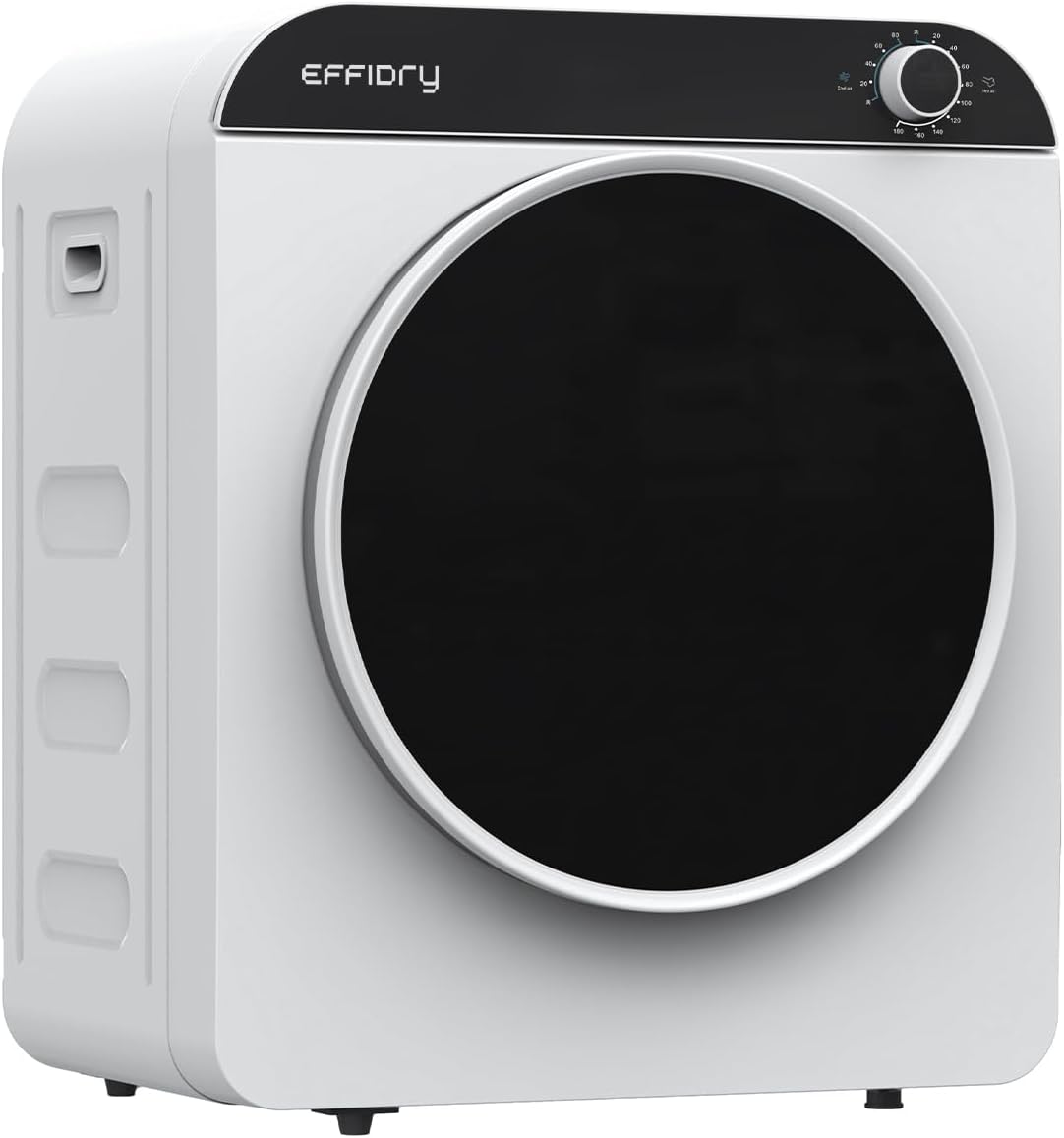
This 830W, 2 cu.ft portable dryer is designed for spaces where a 220V vented unit is impossible, like apartments, RVs, and dorms. Buyers should understand its 12LB capacity is for damp, spun-dry laundry, not a full washer load, and its 110V operation means longer drying cycles than traditional dryers. The stainless steel tub is a key durability feature for this category.
Key Considerations Before Buying
- Assess your space's electrical limitations: This 110V unit plugs into a standard outlet, but its 830W draw requires a dedicated circuit if running with other high-wattage appliances to avoid tripping breakers.
- Manage expectations on '12LB' capacity: This refers to the weight of damp, spun-dry clothing; overloading the 2 cu.ft drum will drastically reduce airflow and extend drying time for the core load.
- Plan for moisture management: As a ventless condenser dryer, it releases warm, humid air into the room; using it in a small, unventilated bathroom or closet can promote mold without a dehumidifier or open window.
What Our Analysts Recommend
Prioritize a stainless steel interior tub over plastic, as it resists corrosion from constant moisture and withstands heat cycles better. Check for multiple heat/time settings—not just a simple on/off—to better handle delicates versus towels. A clear door or indicator lights are valuable for monitoring progress without stopping the cycle.
Dryers Market Context
Market Overview
The market for 110V portable dryers has expanded with the growth of apartment living and van/RV life, but performance varies widely between models claiming similar 'compact' specs. These are supplemental appliances, not replacements for full-size vented dryers.
Common Issues
Common complaints include misleading capacity claims leading to overloading, excessively long dry times for heavy fabrics like jeans, and units that overheat and shut off due to poor thermal sensor placement or inadequate internal airflow design.
Quality Indicators
Look for detailed specifications: a higher wattage (like this 830W model) within the 110V limit suggests stronger heating capability. A branded motor (e.g., UL-listed) and metal housing around the drum indicate better build quality than all-plastic assemblies.
Review Authenticity Insights
Grade B Interpretation
A 'B' grade with an estimated 15% fake review rate suggests most reviews are genuine, but a small portion may be incentivized. The high 5.0 average rating is likely inflated; the adjusted 4.6 rating is a more realistic benchmark for performance.
Trust Recommendation
Focus on reviews that detail specific drying times for fabric types (e.g., 'took 90 minutes for a load of cotton t-shirts') and mention long-term use over several months, as these are harder to fabricate. Be skeptical of reviews only praising 'fast shipping' or generic 'works great' statements.
Tips for Reading Reviews
For portable dryers, prioritize reviews from users in your specific use case (e.g., RV, basement apartment). Look for mentions of noise level, exterior cabinet temperature during use, and how the unit handles a balanced versus an unbalanced load, as these are real-world pain points.
Expert Perspective
This product's specifications—830W heating, stainless steel tub, 2 cu.ft capacity—position it as a mid-tier option in the portable category, suitable for regular use with moderate loads. The high adjusted rating (4.6) from likely genuine reviews indicates it meets core expectations for space-constrained users. However, its effectiveness is entirely dependent on proper load size and ambient ventilation; it is a solution for specific constraints, not a performance powerhouse.
Purchase Considerations
Weigh your need for convenience against patience for longer, multi-cycle drying sessions. This unit is a strong candidate if your primary need is avoiding laundromats or line-drying in a small space, but not if you regularly need to dry bulky bedding or full families' worth of laundry quickly.
Comparing Alternatives
Shoppers should compare cycle time claims, warranty length, and physical dimensions with similar 110V models from brands like Honeywell or Giantex to gauge true value.