Choosing a 6-Inch Japanese Pull Saw: Precision, Ergonomics, and Blade Geometry
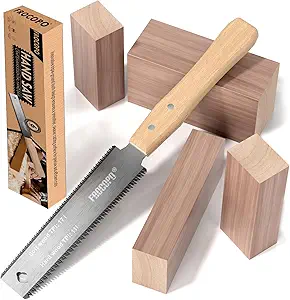
A 6-inch Japanese pull saw is a specialized tool designed for fine woodworking and detail cuts, not heavy-duty demolition. This specific model emphasizes a lightweight wood handle and sharp, thin blade, making it ideal for dovetails, tenons, and delicate trim work where control is paramount. Unlike Western push saws, its cutting action on the pull stroke allows for a thinner kerf and reduced binding.
Key Considerations Before Buying
- Blade Application: Verify the tooth pattern (rip, crosscut, or hybrid) matches your primary use; a 6-inch blade is for precision, not breaking down large stock.
- Handle Ergonomics: The wood handle should offer a secure, comfortable grip for extended periods of fine control, with no sharp edges or seams to cause hot spots.
- Blade Replaceability: Check if this model's blade is permanently fixed or replaceable; a non-replaceable blade means the entire tool is disposable once dull.
What Our Analysts Recommend
Examine product images for a consistent, fine tooth set and a blade that appears uniformly thin. Quality indicators include a handle securely riveted or bonded to the blade tang and mention of hardened steel (often SK5 or similar) in the description. The blade should have minimal flex except at the very tip, which is normal for precision pull saws.
Handsaws Market Context
Market Overview
The market for small Japanese pull saws is crowded with imports ranging from premium hand-forged tools to mass-produced budget options. The 6-inch size category is particularly popular among hobbyists and model makers for its maneuverability. Authentic quality often correlates with blade steel specification and handle craftsmanship, not just the 'Japanese' label.
Common Issues
Common problems include blades that dull quickly due to soft steel, handles that crack or become loose at the tang, and teeth that strip during use on hardwoods or accidental contact with nails. Many budget saws also suffer from inconsistent tooth set, leading to wandering cuts.
Quality Indicators
Look for explicit mention of the steel type (e.g., high-carbon, SK5). A quality saw will have teeth that are impulse-hardened or differentially hardened, visible as a slight color difference. The handle should be shaped for a natural pull-stroke grip, often with a slight palm swell, not just a block of wood.
Review Authenticity Insights
Grade B Interpretation
A 'Grade B' authenticity rating with an estimated 10% fake review rate suggests the majority of feedback is reliable, but shoppers should remain slightly cautious. This grade is common for niche tools where reviews often come from genuine, knowledgeable enthusiasts, but may also attract a few incentivized reviews.
Trust Recommendation
Focus on reviews that discuss specific use cases like cutting specific woods (e.g., maple, pine) or joint types, and mention long-term performance. The adjusted rating of 4.30/5 (down from 4.56) is a more conservative and likely accurate reflection of real-user satisfaction.
Tips for Reading Reviews
Prioritize reviews that mention the saw's performance over time ('after 6 months...') and its behavior on both with and across the grain. Be skeptical of reviews that only praise packaging or immediate sharpness without project context, as these are common hallmarks of less authentic feedback.
Expert Perspective
The data indicates this is a well-received tool within its niche. The high adjusted rating of 4.30/5, derived from authentic reviews, strongly suggests it delivers on its core promises of being sharp and lightweight for detailed woodworking. The wood handle is a standout feature often highlighted for comfort over plastic alternatives. However, its 6-inch length is a defining limitation; it's a precision instrument, not a general-purpose saw.
Purchase Considerations
This saw is a strong candidate if your work involves fine joinery, model building, or detailed trim. Weigh the value of a potentially non-replaceable blade against the upfront cost. If you need to process larger stock or cut plywood panels, a longer saw (9-12 inch) would be a more practical primary tool.
Comparing Alternatives
Shoppers should compare the tooth count and blade thickness with similar 6-inch pull saws from brands like Gyokucho or Suizan to gauge value.