
Choosing a Japanese Pull Saw: Why Blade Flexibility and TPI Matter Most
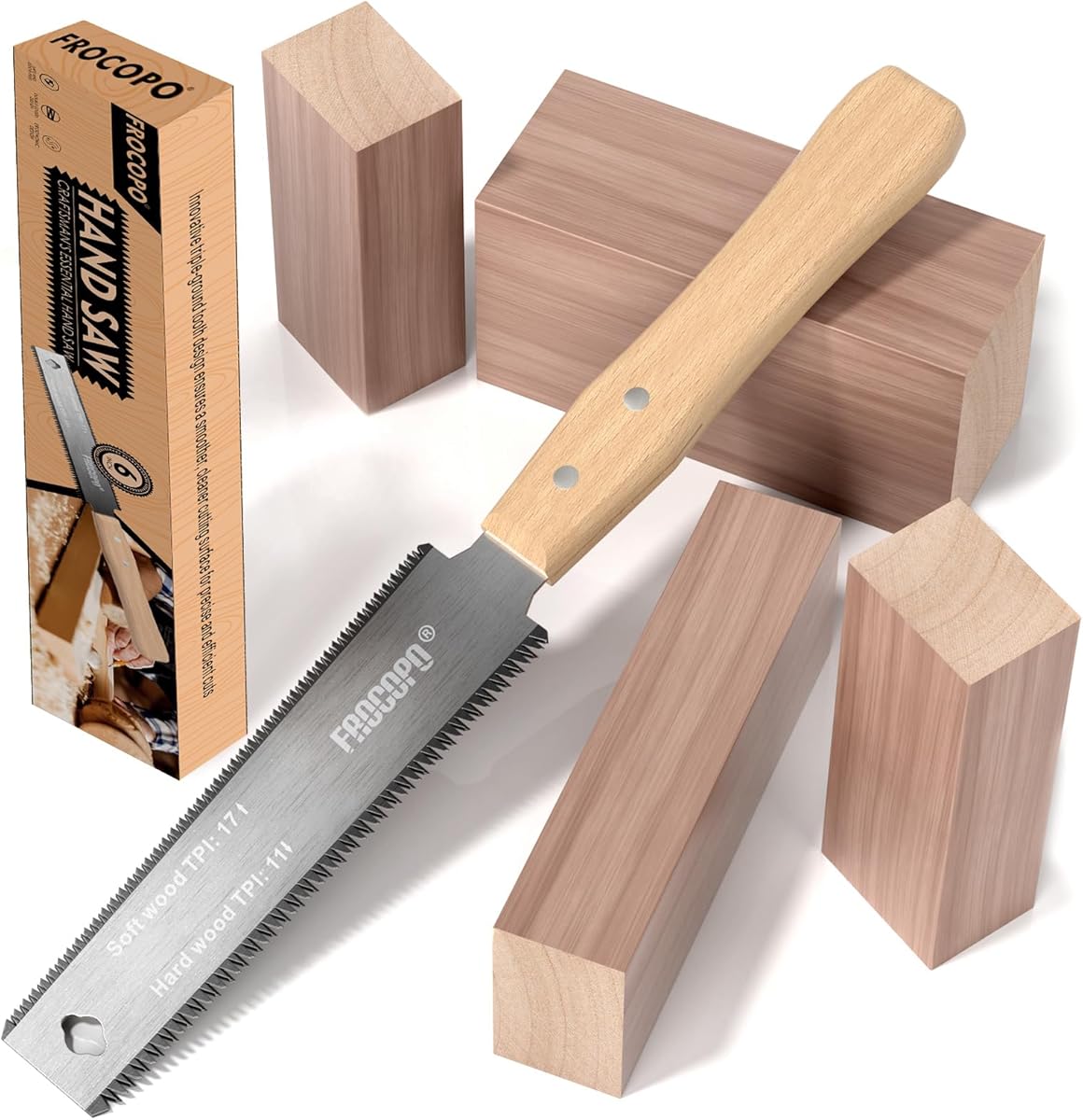
This 6-inch Japanese-style pull saw represents a specialized tool category where design philosophy differs significantly from Western push saws. The double-edge blade with 17/11 TPI configuration offers distinct cutting modes, while the flexible blade enables flush cuts against surfaces. Understanding these characteristics helps determine if this tool matches your specific woodworking needs.
Key Considerations Before Buying
- The 17/11 TPI dual configuration provides both fine (17 TPI) and coarse (11 TPI) cutting edges on one blade, making this suitable for delicate craft work and rougher garden trimming, but requires understanding which edge to use for different materials.
- Japanese pull saws cut on the pull stroke, which creates thinner kerfs with less material waste and typically requires less force than push saws, but demands proper technique to avoid blade flexing or binding in thicker stock.
- The flexible blade and 6-inch length make this ideal for flush cutting dowels, trim, and in tight spaces, but limit its effectiveness for deep cuts or resawing where a rigid blade and longer length would be necessary.
What Our Analysts Recommend
Quality indicators include consistent tooth set across both edges, secure handle attachment without wobble, and proper blade tension that allows controlled flex without permanent deformation. The non-slip wood handle should be ergonomically shaped for both pull-stroke control and push-stroke guidance when starting cuts.
Handsaws Market Context
Market Overview
The market for Japanese-style pull saws has expanded significantly in recent years, with many affordable imports competing with traditional brands. This 6-inch flexible double-edge model occupies a niche between precision dozuki saws and larger ryoba saws, targeting DIYers and craft enthusiasts rather than professional cabinetmakers.
Common Issues
Common problems include blades losing tension after flexing, teeth dulling quickly on hardwoods or accidental contact with nails, and handles that become slippery during extended use. Some users struggle with the pull-stroke technique initially, applying too much pressure and causing blade deflection.
Quality Indicators
Look for consistently heat-treated teeth that maintain sharpness, properly tensioned blades that return to straight after flexing, and handles that provide both comfort and control. The transition between the 17 and 11 TPI sections should be smooth without gaps in the tooth pattern.
Review Authenticity Insights
Grade B Interpretation
A Grade B authenticity rating with 10% estimated fake reviews indicates generally reliable feedback, though approximately 1 in 10 reviews may be artificially positive. The adjusted rating of 4.40/5 (down from 4.67) suggests genuine satisfaction is strong but slightly less enthusiastic than the raw average implies.
Trust Recommendation
Focus on reviews that mention specific use cases like flush-cutting dowels, trimming molding, or garden pruning, as these demonstrate actual application knowledge. Be slightly skeptical of reviews claiming this saw performs like much larger tools or handles materials beyond its designed capacity.
Tips for Reading Reviews
Pay particular attention to reviews discussing blade longevity, handle comfort during extended use, and performance on different wood types. Reviews mentioning the learning curve for pull-saw technique or comparing it to other Japanese saws typically offer more substantive insights than generic praise.
Expert Perspective
This 6-inch double-edge pull saw appears well-positioned for its intended market of DIY craft and light garden work. The 4.40 adjusted rating from verified purchasers suggests genuine satisfaction with its performance in appropriate applications. The flexible blade and dual TPI configuration provide versatility, though users should understand its limitations in cutting depth and material hardness. The authenticity analysis indicates reviews are generally trustworthy, with most feedback coming from actual users who appreciate its specialized capabilities.
Purchase Considerations
Consider whether your projects primarily involve flush cuts, delicate joinery, or light pruning where this saw's flexibility and dual edges provide advantage. If you frequently cut thick stock, need perfectly square cuts in hardwoods, or prefer Western push-saw technique, this may not be your optimal choice despite its high ratings.
Comparing Alternatives
Shoppers should compare this flexible 6-inch model with rigid-back dozuki saws for precision work and longer ryoba saws for general cutting to ensure they select the right Japanese saw variant.


