Spin to Soothe: Choosing a Sensory Spinning Chair That Delivers Calm and Joy
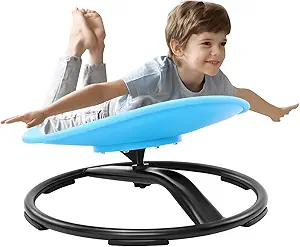
For parents of autistic children, a sensory spinning chair can be a game-changer, offering vestibular stimulation that promotes self-regulation and focus. The Deep Green Sensory Spinning Chair is a sit-and-spin toy designed for indoor use, combining fun with therapeutic benefits. Before you buy, understanding what makes a spinning chair safe, durable, and truly effective is key.
Key Considerations Before Buying
- Safety and stability: Look for a chair with a low, wide base and a smooth, controlled spin to prevent tipping. The Deep Green model's design should include a sturdy seat and a non-slip bottom to ensure it stays put during vigorous spinning.
- Weight capacity and size: Consider your child's age and size. A chair that's too small will be outgrown quickly, while one that's too large may not provide the snug, secure feeling that helps with sensory input. Check the manufacturer's recommended weight limit and seat dimensions.
- Material and cleanup: Sensory chairs often face spills and sticky hands. Choose a chair made from durable, easy-to-clean materials like molded plastic, and ensure the surface is free of sharp edges or rough seams that could irritate sensitive skin.
What Our Analysts Recommend
High-quality sensory spinning chairs typically feature a smooth, quiet rotation mechanism, a comfortable contoured seat, and a textured or padded surface for added tactile feedback. Look for chairs with a high weight capacity and a design that allows for easy grip, either through handles or a shape that's easy for small hands to hold. Also, check for any safety certifications, such as ASTM or CPSIA compliance, to ensure the product meets U.S. safety standards.
Chairs & Seats Market Context
Market Overview
The market for sensory toys and furniture has grown significantly in recent years, driven by increased awareness of autism and sensory processing disorders. Parents are seeking products that are not only fun but also serve a therapeutic purpose, like the sit-and-spin chair, which provides vestibular input that can help with balance and coordination. This category is now filled with options ranging from basic spinners to more elaborate sensory pods and swings.
Common Issues
A frequent issue with sensory spinning chairs is that they can lose their smooth spin over time, becoming jerky or noisy, which can be overstimulating for a child. Another common problem is that the base can scratch floors or the chair can tip if the child leans too far. Additionally, some chairs are made from materials that off-gas or are too flimsy to withstand heavy use, leading to cracks or breakage.
Quality Indicators
Quality indicators include a solid, weighted base that lowers the center of gravity, a sealed bearing mechanism for smooth rotation, and the use of high-density, non-toxic plastics that are BPA-free and phthalate-free. The best products also come with a clear warranty and responsive customer service, as they are often used daily and need to withstand rigorous play.
Review Authenticity Insights
Grade B Interpretation
The Grade B rating and 10% estimated fake review percentage suggest that while the majority of reviews are genuine, there is a small but notable portion that may be incentivized or fabricated. This means you can generally trust the 4.89-star rating, but you should be aware that the adjusted rating of 4.60 is a more conservative, realistic picture of customer satisfaction. The 10% fake rate is relatively low, but it's enough to warrant a cautious approach when reading individual reviews.
Trust Recommendation
Given the high authenticity of most reviews, you can feel confident in the product's overall quality, but it's wise to read a mix of positive and negative reviews to get a balanced view. Pay special attention to reviews from verified purchasers who mention specific details about assembly, durability, and their child's reaction. If a review seems overly promotional or lacks specifics, take it with a grain of salt.
Tips for Reading Reviews
When reading reviews for this type of product, focus on comments that describe the chair's performance over time, such as how it holds up after months of use. Look for patterns in feedback about noise levels, ease of cleaning, and whether the chair provides the expected sensory input. Also, note any recurring complaints about size or weight capacity, as these can be critical for your child's safety and enjoyment.
Expert Perspective
The Deep Green Sensory Spinning Chair appears to be a solid choice for families seeking a sensory tool for autistic children, based on its high customer ratings and the largely authentic review pool. The 4.89-star rating, even when adjusted to 4.60, indicates a high level of satisfaction among buyers, with many likely praising its calming effects and durability. However, the 10% fake review rate suggests that you shouldn't rely solely on the star rating; instead, use the detailed reviews to inform your decision.
Purchase Considerations
Before purchasing, consider your child's specific sensory needs and how this chair will fit into your home environment. If your child is particularly sensitive to noise, look for reviews that mention the chair's quiet operation. If you have hard floors, check for any reports of floor scratching and consider a protective mat. Also, think about the chair's portability—is it easy to move from room to room?
Comparing Alternatives
While this chair is a strong contender, it's always wise to compare it with other sensory seating options like rocking chairs, swings, or therapy balls, which may offer different types of vestibular input. The best choice depends on your child's preferences and your space constraints, so exploring a few alternatives can help you make the most informed decision.