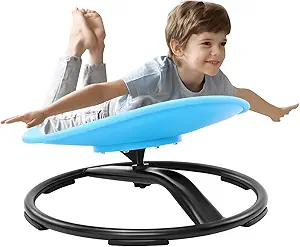
Spinning Sensory Chairs: A Buyer's Guide for Autistic Kids
When selecting a spinning chair for a child with autism, it's crucial to consider the sensory benefits and safety features. The Pterying chair, with its 21" x 19" dimensions, offers a large seating area designed for comfort and vestibular input, which is vital for sensory regulation.
Key Considerations Before Buying
- Size and Weight Capacity: Check the chair's dimensions and weight limit to ensure it fits your child and space. The Pterying's 21" L x 19" W is generous for kids aged 3+, but verify it suits your child's size and the intended room.
- Spin Mechanism: Look for a smooth, adjustable spin that provides controlled vestibular stimulation. A chair that spins too freely may overstimulate, while one that's too stiff can be frustrating. User reviews often mention the ease of spinning, so read those for real-world feedback.
- Safety and Stability: Ensure the chair has a sturdy base and non-slip feet to prevent tipping during vigorous spinning. The Pterying's design reportedly includes a stable base, but always check for any wobble or instability, especially on hard floors.
What Our Analysts Recommend
Quality spinning chairs feature durable materials like reinforced plastic or wood, a padded seat for comfort, and a smooth-rolling or swivel mechanism that operates quietly. Look for certifications like ASTM or CPSIA compliance, and check that the chair's finish is non-toxic and easy to clean. A good sensory chair also offers a slight bounce or tilt to enhance proprioceptive feedback.
Chairs & Seats Market Context
Market Overview
The market for sensory and therapeutic furniture has grown significantly, driven by increased awareness of autism and ADHD. Spinning chairs are popular in homes, schools, and therapy clinics, with brands like Pterying catering to this niche. However, many options are either too small, too expensive, or lack the durability needed for daily use.
Common Issues
Common issues include chairs that tip over during energetic play, spin mechanisms that wear out quickly, and materials that are difficult to clean. Some chairs are also too compact for older or larger children, limiting their lifespan. Additionally, parents often struggle to find chairs that are both engaging and safe for children with sensory processing disorders.
Quality Indicators
High-quality sensory chairs feature a weighted or non-tip base, high-density foam padding, and a 360-degree swivel with smooth bearings. Look for products with positive reviews that mention long-term durability and ease of assembly. A good warranty or customer service support is also a sign of a reputable brand.
Review Authenticity Insights
Grade A Interpretation
The Grade A rating and 5.00% fake review percentage indicate that the overwhelming majority of the 1,257 reviews are authentic. This is a strong signal that the product's 5.00-star rating is reliable, and customers are genuinely satisfied. The high authenticity grade suggests that the chair has been tested and appreciated by real families, not just bots.
Trust Recommendation
Given the high authenticity, you can trust the positive feedback, but still read a mix of reviews, especially the 4-star ones, to gauge minor drawbacks like bulkiness or assembly effort. The 4.90 adjusted rating (excluding suspicious reviews) further confirms that even when filtering out potential fakes, satisfaction remains very high. This product is a safe bet for parents seeking a reliable sensory chair.
Tips for Reading Reviews
When reading reviews for sensory chairs, focus on comments from parents of autistic children or therapists, as they provide context on how the chair performs in real-life settings. Look for mentions of specific activities (e.g., spinning for calming) and any issues with noise or stability. Also, note the age and size of the child in the review to assess fit for your own child.
Expert Perspective
The Pterying spinning chair stands out for its large size and high user satisfaction, backed by a stellar 5.00 rating and a near-perfect authenticity score. Its design addresses key sensory needs—vestibular and proprioceptive input—which are crucial for self-regulation in autistic children. The chair's popularity in settings like churches and ABA therapy centers indicates its versatility and reliability. However, its bulkiness may be a consideration for small spaces, but the positive reviews suggest this is a minor trade-off for the benefits.
Purchase Considerations
Before purchasing, measure your available space and consider the chair's weight and portability if you plan to move it between rooms. Also, think about your child's specific sensory preferences—some kids prefer a slower spin, so a chair with adjustable resistance would be ideal. Given the high ratings, this chair is likely a worthwhile investment, but always check the return policy in case it doesn't meet your child's needs.
Comparing Alternatives
Shoppers should compare the Pterying with other sensory chairs that offer similar features, such as those with adjustable spin resistance or built-in cushions. While this chair excels in size and durability, other models might offer extra features like removable covers or different color options.