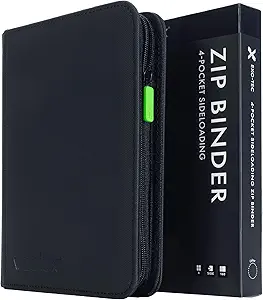
How to Choose a Card Binder That Protects and Displays Your Collection
With 900 pockets, this baseball card binder from KQ74 offers massive storage capacity, but capacity alone doesn't guarantee a safe home for your cards. You need to consider page material, cover durability, and how the binder will hold up as it fills up.
Key Considerations Before Buying
- Pocket count and layout: 900 pockets typically means 50 pages with 9 pockets each, so check whether pages are double-sided and whether the binder lies flat when full to prevent card bending.
- Cover and binding quality: Laser silver hot stamping may look sleek, but ensure the cover is rigid enough to protect cards from pressure and that the binding is stitched or reinforced to handle the weight of 900 cards.
- Acid-free and PVC-free materials: Cheap plastics can leach chemicals that yellow or damage cards over time; look for explicitly stated acid-free, archival-safe pages, especially for valuable cards.
What Our Analysts Recommend
High-quality binders use thicker, non-stick polypropylene pages that won't cling to cards, and a cover with reinforced corners. Check reviews for mentions of pages tearing at the seams or cards sliding out—these are signs of poor construction. Also, verify the binder's closure (zipper or strap) to keep dust out.
Albums Market Context
Market Overview
The card storage market has exploded with the collectibles boom, offering everything from budget binders to premium archival albums. Many products emphasize pocket count and flashy covers, but quality varies widely, and low-cost options often cut corners on materials.
Common Issues
Buyers frequently report pages that tear easily, binders that don't close properly when full, and covers that warp over time. Another common complaint is pockets that are too tight or too loose, causing cards to bend or fall out during transport.
Quality Indicators
Look for binders with reinforced stitching, pages made from acid-free polypropylene, and a rigid cover that won't flex. Reviews that mention long-term use without card damage are a good sign, as are details about the binder's closure mechanism and page thickness.
Review Authenticity Insights
Grade A Interpretation
An A authenticity grade with only 5% estimated fake reviews means the 4.78-star rating is highly trustworthy. The vast majority of reviews are verified purchases with specific, varied details, so you can rely on them as genuine customer experiences.
Trust Recommendation
Given the high authenticity, you can confidently use the reviews to gauge real-world performance. Focus on reviews that mention durability over time and how the binder handles a full load of cards, as these are the most informative.
Tips for Reading Reviews
When reading reviews for card binders, pay attention to comments about page quality, card safety, and binder longevity. Look for reviewers who mention the types of cards they store (e.g., vintage, modern, graded) and whether the binder meets their needs.
Expert Perspective
This 900-pocket binder stands out for its massive capacity and eye-catching laser silver hot stamping cover, but the real test is in the materials. The high rating and authenticity suggest it's a solid choice for bulk storage, though serious collectors should verify archival safety for valuable cards. At this capacity, the binder's structural integrity is crucial—cheap pages or a weak spine could lead to bent corners or scratched surfaces.
Purchase Considerations
Weigh the convenience of 900 pockets against the need for card protection: if you're storing common cards, this binder is likely fine, but for high-value cards, consider a smaller, archival-grade binder. Also, check the binder's dimensions and weight when full—it may be cumbersome to shelve or carry.
Comparing Alternatives
Compare with binders that offer fewer pockets but superior materials, or those with side-loading pages for extra security, to ensure you get the right balance of capacity and protection.