4K Capture Cards: Passthrough, VRR, and Latency Explained for Streamers
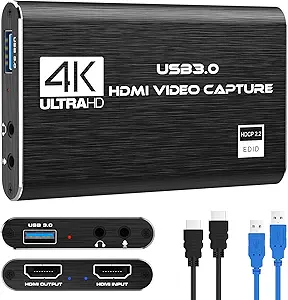
When shopping for a 4K HDMI capture card, you're not just buying a device that records gameplay—you're investing in your stream's quality and your gaming experience. The BlueAVS card supports up to 4K60 input with HDR and VRR/ALLM passthrough, which is crucial for maintaining smooth, tear-free visuals on your TV while streaming from a PS5 or Xbox Series X/S.
Key Considerations Before Buying
- Passthrough capabilities: If you play on a 4K TV with VRR (variable refresh rate) and ALLM (auto low latency mode), ensure the capture card passes these signals through to your display; otherwise, you lose the benefits of your TV's gaming features.
- Capture resolution and frame rate: This card captures up to 4K60 or 1080P240, but your streaming software (like OBS) must handle that data rate. For most streamers, 1080P60 is the sweet spot, so having headroom for 1440P144 or 1080P240 is a bonus for future-proofing.
- USB-C connectivity: The USB-C interface ensures high-bandwidth data transfer, but verify your computer has a USB 3.0 or higher port that supports the required speed. If you're using an older laptop, you may not get full capture performance.
What Our Analysts Recommend
Look for capture cards that explicitly list support for HDR, VRR, and ALLM passthrough, as not all do. Check the chipset (like the MS2130 or similar) for known compatibility and latency figures. Also, verify that the card is UVC-compliant so it works without proprietary drivers in OBS, Streamlabs, and other software.
Internal TV Tuner & Capture Cards Market Context
Market Overview
The external USB capture card market has exploded with the rise of console streaming, offering affordable options that rival internal cards. However, many budget cards cap at 4K30 or lack advanced passthrough features, making products like the BlueAVS that support 4K60 and VRR/ALLM stand out.
Common Issues
A frequent complaint in this category is audio sync drift during long streams, and some cards fail to pass HDR or high refresh rate signals correctly, leading to a dull or stuttery gaming experience. Also, some cards have high latency, making real-time gameplay on a monitor through the capture card feel unresponsive.
Quality Indicators
Quality capture cards maintain consistent latency under load, support both HDMI 2.0 and 2.1 features (even if input is limited), and have robust firmware updates. Look for reviews that mention specific console and game combinations, as compatibility issues often surface in real-world scenarios.
Review Authenticity Insights
Grade B Interpretation
The Grade B and 10% estimated fake review percentage indicate that while the majority of feedback is authentic, a small portion may be incentivized or biased. With 17 reviews and a 4.75 average (4.50 adjusted), the product is likely solid, but the low review count means you should weigh the sample size.
Trust Recommendation
Given the relatively few reviews, it's wise to cross-reference this card's performance with independent tech reviews or forum discussions. Pay attention to any verified purchase badges and reviews that mention specific setup details, as they tend to be more trustworthy.
Tips for Reading Reviews
When reading reviews for capture cards, look for comments on passthrough latency, HDR handling, and compatibility with your specific console and streaming software. Be skeptical of reviews that are overly generic or lack technical details—real users often mention OBS settings or minor glitches.
Expert Perspective
The BlueAVS 4K HDMI capture card appears to be a capable performer for its price point, offering features like HDR, VRR, and ALLM passthrough that are typically found in higher-end models. The adjusted rating of 4.50/5 suggests that early adopters are satisfied, though the small review count and 10% fake review estimate warrant cautious optimism. Its compatibility with PS5, Xbox Series X/S, and Switch covers the major consoles, and USB-C connectivity ensures easy setup with modern laptops.
Purchase Considerations
Consider whether you truly need 4K60 capture or if 1080P60 is sufficient for your streaming setup—this card's higher specs may justify the cost. Also, check that your PC's USB ports support the required bandwidth (USB 3.0 or better) and that your streaming software is configured to handle HDR or high frame rates, as improper settings can negate the benefits.
Comparing Alternatives
Shoppers should compare this with other USB capture cards like the Elgato Cam Link 4K or AVerMedia Live Gamer series, which have longer track records and more user reviews, but often at a higher price. The BlueAVS may offer better value if its features meet your needs, but weigh the limited review data against established alternatives.