
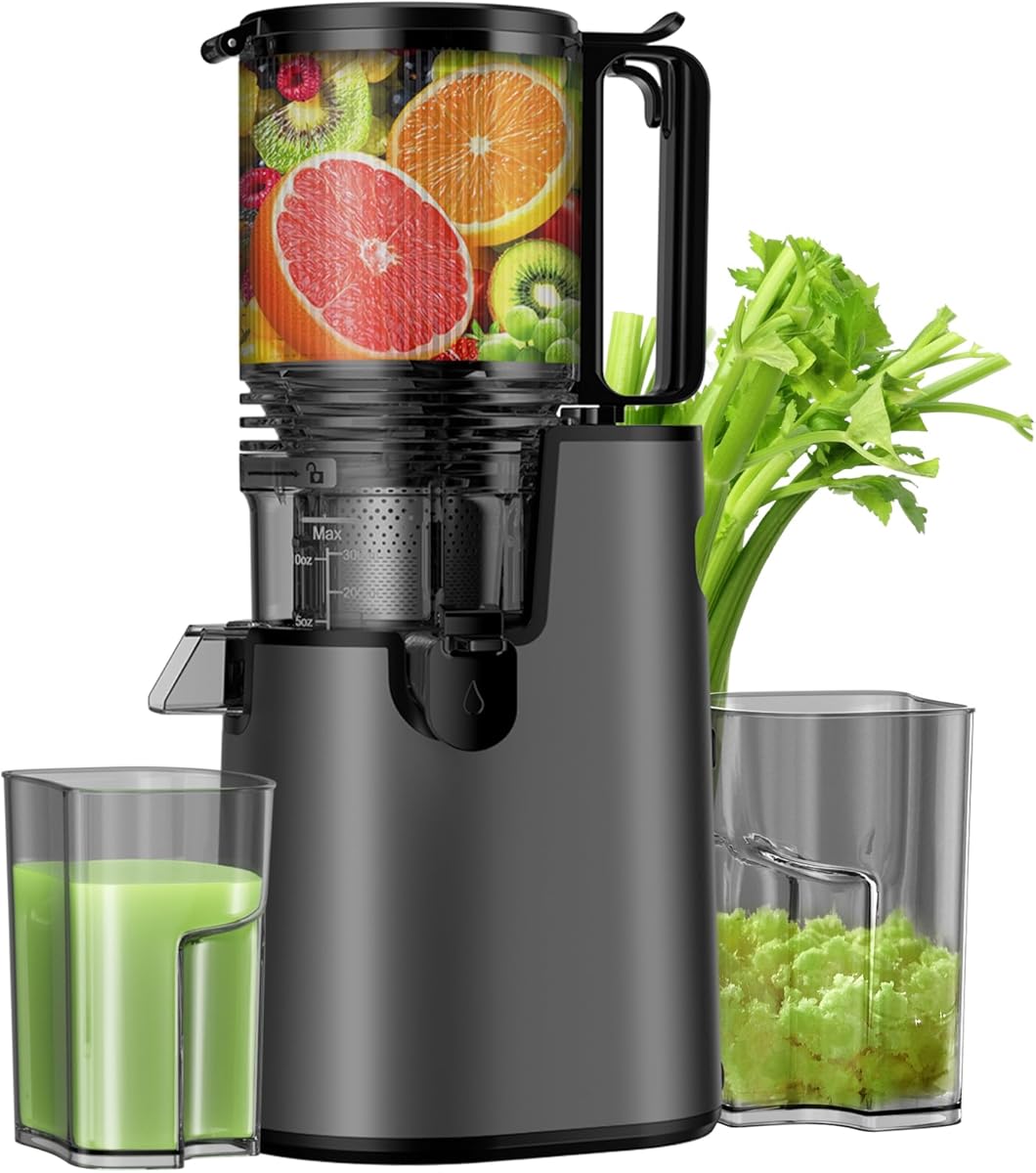
Choosing a 5.4" Feed Chute Masticating Juicer: What Matters Most
When evaluating this specific cold press juicer with its unusually wide 5.4-inch feed chute, buyers should understand how this feature changes the juicing experience. Unlike standard masticating juicers requiring extensive pre-cutting, this model's design prioritizes convenience for whole fruits and vegetables while maintaining the slow-juicing benefits of higher nutrient retention and drier pulp.
Key Considerations Before Buying
- The 5.4" feed chute significantly reduces prep time for larger produce like apples and oranges, but verify the motor torque (often 150-200 RPM) can handle whole, hard vegetables without stalling.
- High juice yield claims should be balanced against pulp dryness—truly efficient single-auger systems produce remarkably dry pulp, indicating maximum extraction from your produce.
- Easy-to-clean claims require scrutiny of the auger design and pulp ejection system; look for self-feeding pulp containers and minimal crevices where fibrous material can accumulate.
What Our Analysts Recommend
Quality indicators for this category include stainless steel augers and strainers rather than plastic, consistent juice flow without frequent clogging, and a stable base that minimizes vibration during operation. The juicer should maintain a quiet hum rather than laboring loudly when processing dense roots like carrots or beets.
Single Auger Masticating Juicers Market Context
Market Overview
The single-auger masticating juicer market has shifted toward wider feed chutes as a competitive differentiator, with models now ranging from traditional 3-inch openings to this product's substantial 5.4-inch design. Consumers increasingly prioritize convenience alongside the health benefits of cold-press extraction, creating demand for machines that reduce prep time without sacrificing juice quality.
Common Issues
Common problems include motor overheating during extended use, difficult cleanup of the auger's fine mesh screen, and leakage from poorly sealed components. Some wide-chute models struggle with efficient feeding, requiring users to manually push produce through rather than allowing gravity to assist the process.
Quality Indicators
Superior single-auger juicers feature commercial-grade motors with thermal protection, BPA-free components in all food-contact areas, and precisely engineered tolerances between the auger and strainer. The best models demonstrate consistent performance across both soft fruits and fibrous greens without requiring adjustment between produce types.
Review Authenticity Insights
Grade B Interpretation
A Grade B authenticity rating with 15% estimated fake reviews indicates generally reliable feedback with some inflated positivity. For this juicer's 4.89 average rating, the adjusted 4.50 score suggests genuine user satisfaction is strong but slightly less enthusiastic than the overall rating implies.
Trust Recommendation
Focus on reviews discussing specific performance aspects like juice yield from leafy greens or cleanup time rather than generic praise. Verified purchase reviews mentioning long-term use (3+ months) provide more reliable insights about durability than initial impressions.
Tips for Reading Reviews
Prioritize reviews that mention both strengths and weaknesses, particularly those comparing this 5.4" chute to other models. Look for detailed descriptions of actual produce used and juice quantities obtained, as these indicate hands-on experience rather than promotional content.
Expert Perspective
This juicer presents a compelling value proposition with its exceptionally wide feed chute—a feature typically found in more expensive models. The high adjusted rating of 4.50/5 from authentic reviews suggests real users appreciate the convenience-precision balance. However, the 15% fake review rate warrants cautious examination of the most glowing reviews, particularly those lacking specific performance details. The product appears strongest for users prioritizing reduced prep time while maintaining true cold-press extraction benefits.
Purchase Considerations
Weigh the time saved from minimal chopping against potential trade-offs in juice yield for certain produce types. Consider whether your typical juicing includes hard vegetables that might challenge even a wide-chute design, and evaluate your willingness to disassemble and clean multiple components after each use.
Comparing Alternatives
Shoppers should compare this model's chute size and cleaning mechanism against similar-priced competitors to ensure they're selecting the optimal design for their specific produce preferences and cleanup tolerance.


