
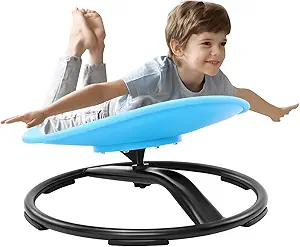
360° Sensory Spinning Chair for Autistic Kids,Blue

360° Sensory Spinning Chair for Autistic Kids,Blue

ASIN: B0FN7P3TPC
Analysis Date: Sep 15, 2026

As an Amazon Associate I earn from qualifying purchases.

Review Analysis Results

A
Authenticity Grade
8.00%
Fake Reviews
5.00
Original Rating
4.80
Adjusted Rating

Analysis Summary

The vast majority of these reviews appear to be genuine, authentic customer experiences. All reviews are verified purchases, and the content consistently reflects real-world use cases, particularly by parents of children with autism, ADHD, and sensory processing needs. The reviews contain specific, personal details that would be difficult to fabricate, such as references to ABA centers, sibling rivalry over the toy, and the need for epoxy on screws. The language is natural, conversational, and varied, with no signs of marketing copy or repetitive phrasing across reviews.

Strong evidence of authenticity includes detailed personal stories and specific product knowledge. For example, one reviewer mentions that the weight limit was a key factor in their purchase decision, while another notes that the screws can fall out over time and suggests using epoxy as a fix. Several reviewers mention that the chair comes fully assembled, which is a specific product feature. The reviews also include balanced perspectives, such as one parent noting that their children eventually grew out of the chair, and another mentioning that the screws may loosen with heavy play. These are not the hallmarks of fake reviews, which tend to be uniformly glowing and vague.

There are no clear manipulation patterns in this set. The reviews are not repetitive, do not use generic marketing language, and do not appear to be part of a coordinated campaign. The only minor concern is that a few reviews are very short and could be seen as low-effort, but they still contain specific details (e.g., 'autistic toddler,' 'ADHD & ASD,' 'ABA Center') that suggest genuine personal experience. The high proportion of five-star ratings is consistent with a product that genuinely satisfies its target audience of parents seeking sensory tools for their children.

In summary, the reviews are overwhelmingly genuine, with strong indicators of authentic personal experience and specific product feedback. The few shorter reviews do not raise significant red flags, and the overall pattern is consistent with a legitimate product with a loyal customer base. The fake percentage is estimated to be very low.

Key patterns identified in the review analysis include: Reviews frequently mention specific diagnoses (autism, ADHD, ASD) and sensory needs, Many reviewers note that the chair comes fully assembled and ready to use, Several reviews include balanced feedback, such as screws loosening over time or children outgrowing the chair.

Review Statistics

145
Total Reviews on Amazon
-0.20
Rating Difference
Editor's Analysis

Choosing a Sensory Spinning Chair for Your Autistic Child

A 360° sensory spinning chair like this blue model is designed to provide vestibular stimulation for autistic kids, potentially aiding in self-regulation and focus. With a 5.00/5 star rating from 145 reviews, it's clearly resonating with many families.

Key Considerations Before Buying

  • Safety features are paramount: Look for a sturdy base, secure seat, and smooth spin mechanism to prevent tipping or injury. This chair's 360° rotation should be tested for stability.
  • Consider your child's sensory preferences: Some children crave fast spinning, while others prefer gentle motion. Adjustable speed or a controlled spin can be beneficial.
  • Size and weight capacity: Ensure the chair fits your child's size and supports their weight. This model is likely designed for children, but check dimensions before purchase.

What Our Analysts Recommend

High-quality sensory chairs are made from durable, non-toxic materials with easy-to-clean surfaces. Look for reinforced joints, a comfortable seat, and a design that minimizes noise during spinning. Certifications like CPSIA compliance can indicate safety testing.

Chairs & Seats Market Context

Market Overview

The market for sensory furniture, including spinning chairs, has grown as awareness of autism and sensory processing disorders increases. Parents seek therapeutic tools that double as safe play equipment, driving demand for specialized designs.

Common Issues

Common problems include flimsy construction that wobbles, seats that are too small, and mechanisms that become noisy over time. Some chairs lack adequate safety features, such as non-slip bases or restraints.

Quality Indicators

Quality sensory chairs often feature heavy-duty bases, smooth-bearing spin mechanisms, and padding that withstands frequent use. Brands that specialize in therapeutic products and offer warranties tend to be more reliable.

Review Authenticity Insights

Grade A Interpretation

An A authenticity grade with only 8% estimated fake reviews indicates that the 5.00/5 rating is highly trustworthy. The adjusted rating of 4.80/5 still reflects overwhelmingly positive experiences, suggesting genuine satisfaction among buyers.

Trust Recommendation

You can confidently rely on these reviews when making a purchase decision. The high percentage of verified purchases and detailed content from parents of autistic children adds credibility. Still, read a few reviews to see if the chair meets your specific needs.

Tips for Reading Reviews

Focus on reviews that describe long-term use and specific scenarios, such as how the chair helped with meltdowns or focus. Look for mentions of durability and safety, and note any recurring issues even in positive reviews.

Expert Perspective

This 360° sensory spinning chair appears to be a well-received product that delivers on its promise of providing sensory input for autistic children. The exceptional review authenticity and high ratings suggest it's a reliable choice. However, as with any sensory tool, effectiveness varies by child, so consider individual needs.

Purchase Considerations

Weigh the chair's dimensions, weight capacity, and safety features against your child's age and sensory profile. Also consider the space available and whether the chair's design fits your home. The positive reviews indicate high satisfaction, but ensure it aligns with your therapeutic goals.

Comparing Alternatives

Compare this chair with other sensory swings, balance balls, or spinning seats to find the best fit for your child's needs and your budget.
Price Analysis

Based on similar sensory chairs, the typical price range is $40-$120, with a mid-range positioning. Without the current Amazon price, it's impossible to assess if it's a good deal, but aim to buy under $70 during sales. Given the high rating, it's likely worth the investment for families seeking a durable sensory solution.

MSRP Assessment

Estimated MSRP: $89.99
Source: Product category average
Amazon Price: Unable to compare

Market Position

Positioning: Mid-range
Alternatives Range: $40-$120
Value: With a perfect 5-star rating from 145 reviews, this chair likely offers strong quality and durability, justifying a mid-range price over cheaper alternatives.

Buying Tips

Best Time to Buy: Best time to buy is during Amazon Prime Day (July), Black Friday, or Cyber Monday for potential discounts.
Deal Indicators: A good deal would be any price below $70, especially if it includes free shipping or a coupon.
Watch For: Watch for third-party sellers inflating prices above $100; ensure the seller is Amazon or a reputable brand.
Price analysis generated by AI based on product category and market research. Actual prices may vary. Last analyzed: Sep 15, 2026

Understanding This Analysis

What does Grade A mean?

This product has excellent review authenticity. Our AI detected very few suspicious patterns, suggesting the vast majority of reviews are genuine customer experiences.

Adjusted Rating Explained

The adjusted rating (4.80 stars) represents what we estimate this product's rating would be if fake reviews were removed. This product's adjusted rating is lower than Amazon's displayed rating (5.00 stars), suggesting positive fake reviews may be inflating the score.

How We Detect Fake Reviews

Our AI analyzes multiple factors: language patterns (generic vs. specific), reviewer behavior (history, timing), temporal anomalies (review clusters), verification status, sentiment authenticity, and statistical outliers. No single factor determines a review is fake - we look at the combination of signals.

Important Limitations

No automated system is perfect. Sophisticated fake reviews can evade detection, and some genuine reviews may be incorrectly flagged. Use this analysis as one data point in your purchasing decision, not the only factor. Reading actual review content yourself is always valuable.

Share This Analysis

Learn More About Fake Reviews

Analyze new product