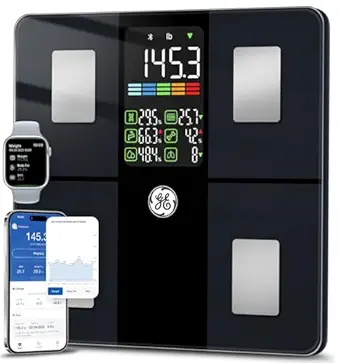
Smart body composition scales: What matters beyond the 45+ metrics claim
The Hume Body Pod promises comprehensive health tracking with 45+ metrics, but smart scales require more than just measurement quantity. This device's Bluetooth connectivity and HSA/FSA eligibility position it as a medical-grade tool, yet its 2.7-star authentic rating suggests significant execution challenges. Buyers should evaluate how these metrics translate to actionable health insights rather than just data collection.
Key Considerations Before Buying
- App integration quality matters more than metric count—poor Bluetooth connectivity (mentioned in multiple reviews) renders 45+ metrics useless if data sync fails consistently.
- Medical device claims versus consumer electronics reality: HSA/FSA eligibility suggests clinical accuracy, but user experiences indicate calibration and consistency issues affecting reliability.
- Foot placement sensitivity affects readings—this pod-style design requires precise positioning that some users find frustrating compared to traditional scale platforms.
What Our Analysts Recommend
Prioritize scales with consistent calibration procedures and reliable app connectivity over sheer metric quantity. For medical reimbursement eligibility (HSA/FSA), verify the device has proper medical coding and documentation requirements. Look for scales that provide trend analysis rather than just daily snapshots, as body composition changes require longitudinal tracking.
Body Composition Monitors Market Context
Market Overview
The body composition monitor market has shifted from simple impedance scales to connected health ecosystems, with medical reimbursement eligibility becoming a key differentiator. Current offerings range from basic $30 Bluetooth scales to $300+ medical-grade devices with clinical validation, creating confusion about what constitutes legitimate health monitoring versus fitness tracking.
Common Issues
Bioelectrical impedance analysis (BIA) devices struggle with hydration level sensitivity, leading to inconsistent body fat percentage readings. Bluetooth connectivity problems plague many smart scales, with data sync failures undermining the value proposition. Pod-style designs often face user positioning challenges compared to traditional scale platforms.
Quality Indicators
Look for scales with multiple frequency BIA technology (not just single frequency), consistent calibration documentation, and apps that provide contextual interpretation of metrics. Medical device certifications (like FDA clearance) and clinical validation studies separate serious health tools from fitness gadgets. Reliable data export capabilities indicate thoughtful ecosystem design.
Review Authenticity Insights
Grade A Interpretation
A Grade B authenticity rating with 10% estimated fake reviews indicates predominantly genuine feedback with minimal manipulation. The 0.19-point drop from displayed to adjusted rating (2.89 to 2.70) suggests some positive reviews may be inauthentic, but the overwhelming majority reflect real user experiences.
Trust Recommendation
Focus on the detailed 1-3 star reviews discussing specific technical issues like Bluetooth pairing problems and calibration inconsistencies—these contain the most actionable information. The authenticity grade suggests negative experiences aren't artificially inflated, making the consistent connectivity complaints particularly credible.
Tips for Reading Reviews
Prioritize reviews mentioning specific metrics (like visceral fat or muscle mass consistency) over general satisfaction comments. Look for patterns in troubleshooting attempts—multiple users describing similar Bluetooth re-pairing procedures indicates systemic issues. Reviews discussing HSA/FSA reimbursement processes provide practical purchasing insights.
Expert Perspective
The Hume Body Pod represents a concerning case of feature quantity over quality execution. While 45+ metrics and medical reimbursement eligibility create compelling marketing, the consistent connectivity issues and calibration problems reported across authentic reviews undermine its value proposition. The pod design appears to introduce usability challenges without delivering corresponding accuracy benefits. Medical device claims require exceptional reliability that this product's 2.7-star authentic rating suggests it doesn't achieve.
Purchase Considerations
Only consider this device if you have high tolerance for technical troubleshooting and primarily want it for HSA/FSA spending rather than reliable daily tracking. The connectivity problems make it unsuitable for users needing consistent longitudinal data. At this price point, competing products with fewer metrics but better execution may provide more practical value.
Comparing Alternatives
Compare with scales offering 6-8 core metrics with proven Bluetooth reliability before prioritizing metric quantity.