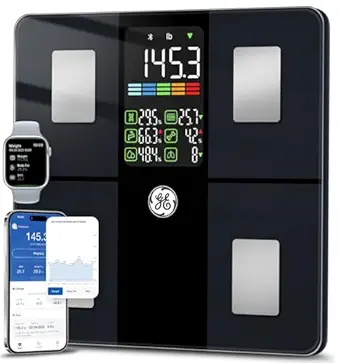
Choosing an 8-Electrode Smart Scale: Precision vs. Practicality for Home Body Composition
The RunStar Scale's 8-electrode design and FSA/HSA eligibility set it apart in the crowded smart scale market. Buyers should understand that while more electrodes can improve segmental body fat readings, the accuracy of any home BIA (Bioelectrical Impedance Analysis) device has inherent limitations compared to clinical DEXA scans.
Key Considerations Before Buying
- The 'BMI 28' measurement range indicates this scale accommodates users up to approximately 385 lbs, making it suitable for most adults but potentially excluding some individuals.
- FSA/HSA eligibility means this device qualifies for tax-advantaged health spending accounts, a significant financial consideration for eligible buyers.
- The large color display is particularly useful for users who need clear visual feedback without relying solely on smartphone connectivity.
What Our Analysts Recommend
For body composition scales, prioritize consistent tracking over absolute accuracy—look for devices that provide reliable trend data. The RunStar's 8 electrodes should theoretically offer better limb-to-limb analysis than typical 4-electrode scales, but verify this through detailed user reviews mentioning specific measurements.
Body Composition Monitors Market Context
Market Overview
The body composition monitor market has shifted from simple weight tracking to multi-metric health monitoring, with prices ranging from $25 basic models to $200+ medical-grade devices. The RunStar occupies a mid-tier position with its 8-electrode configuration at a consumer price point.
Common Issues
Home BIA scales struggle with hydration level accuracy, often misreading water weight as fat mass. Many users report inconsistent readings between morning and evening measurements, and Bluetooth connectivity issues plague numerous smart scale models.
Quality Indicators
Higher electrode count (like RunStar's 8) typically indicates better segmental analysis capability. Look for scales with medical device certifications and transparent measurement methodologies rather than vague 'high precision' claims.
Review Authenticity Insights
Grade B Interpretation
A Grade B authenticity rating with 11% estimated fake reviews suggests mostly genuine feedback but warrants cautious review reading. This level indicates some potentially incentivized reviews but substantial authentic user experiences.
Trust Recommendation
Focus on reviews that discuss specific metrics over time rather than initial impressions, as body composition tracking requires longitudinal assessment. The 0.22-point rating drop after adjustment (4.22 to 4.00) suggests some inflated positive reviews.
Tips for Reading Reviews
Prioritize reviews mentioning consistent usage over weeks or months, and look for discussions about how the scale's 8-electrode readings compare to other measurement methods. Be skeptical of reviews focusing solely on unboxing or initial setup.
Expert Perspective
The RunStar Scale presents a compelling value proposition with its 8-electrode design at a consumer price point, though its 4.00 adjusted rating indicates some performance variability. The FSA/HSA eligibility is a legitimate advantage for health-conscious buyers using tax-advantaged accounts. The scale's strength appears to be in tracking relative changes rather than providing clinical-grade absolute measurements, which aligns with realistic expectations for home body composition devices.
Purchase Considerations
Consider whether you'll actually use the segmental body fat data from the 8 electrodes versus simpler 4-electrode alternatives. The large display adds value for bathroom use without smartphones, but verify the app's compatibility with your health tracking ecosystem.
Comparing Alternatives
Compare the RunStar's electrode configuration and measurement consistency against established brands like Withings and Tanita at similar price points.