
Choosing Lithium AA Batteries: Voltage Stability vs. Traditional Rechargeables
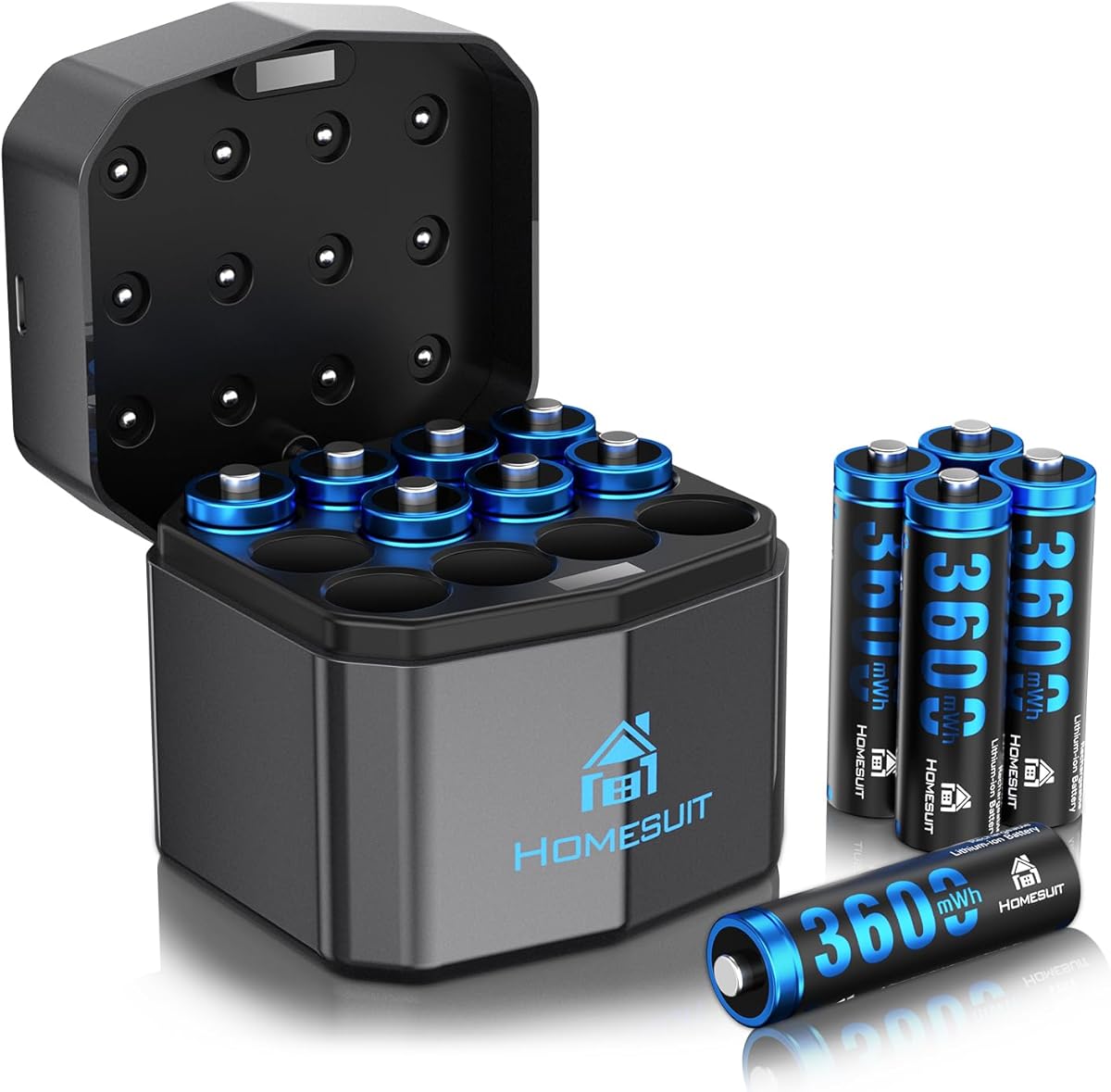
The Homesuit lithium AA system represents a distinct category within rechargeable batteries, offering constant 1.5V output unlike traditional NiMH batteries that decline from 1.4V. This specific 3600mWh lithium-ion system with its 12-bay charger targets users needing stable voltage for sensitive electronics. Buyers should understand how lithium's discharge curve differs from conventional rechargeables.
Key Considerations Before Buying
- Lithium AA batteries maintain 1.5V until nearly depleted, making them ideal for devices like digital cameras and flashlights that perform poorly with declining NiMH voltage.
- The 2000+ cycle claim requires proper charging habits; lithium batteries degrade faster if consistently drained completely versus partial discharges.
- This 12-pack with integrated charger represents a complete ecosystem purchase—consider whether you need this many batteries and the specific charger design for your usage patterns.
What Our Analysts Recommend
For lithium AA systems, examine the charger's safety features like overcharge protection and individual cell monitoring. Quality indicators include clear cycle life testing methodology (2000+ cycles suggests accelerated testing) and whether the manufacturer specifies capacity in both mWh (3600) and mAh (approximately 2400) for accurate comparisons with NiMH batteries rated in mAh.
AA Market Context
Market Overview
The rechargeable AA market has bifurcated into traditional NiMH (Eneloop, Amazon Basics) and emerging lithium-ion systems like Homesuit's, which command premium pricing for their voltage stability. Lithium AA batteries now target power-hungry devices where consistent 1.5V output matters more than maximum capacity.
Common Issues
Lithium AA systems often face compatibility questions with older chargers and devices designed for 1.2V NiMH batteries. Some users report confusion about capacity ratings when manufacturers use mWh instead of the industry-standard mAh, making direct comparisons difficult.
Quality Indicators
Superior lithium AA systems feature built-in voltage regulation circuits, thermal protection, and chargers with individual cell analysis. Look for manufacturers who disclose actual cycle life testing conditions rather than just maximum potential cycles.
Review Authenticity Insights
Grade B Interpretation
A Grade B with 10% estimated fake reviews indicates generally reliable feedback with some manipulation. For this Homesuit product, the 4.40 adjusted rating (down from 4.67) suggests authentic reviews cluster around 4-4.5 stars rather than perfect scores.
Trust Recommendation
Focus on reviews discussing long-term performance over 6+ months and specific device compatibility, as these are harder to fake. The verified purchase status of all reviews increases credibility, but still weigh critical reviews about charger reliability and actual cycle life.
Tips for Reading Reviews
Prioritize reviews that mention using these batteries in specific high-drain devices like gaming controllers or LED flashlights, where lithium's voltage stability provides tangible benefits. Be skeptical of reviews only praising packaging or delivery speed without discussing performance.
Expert Perspective
The Homesuit system presents a compelling option for users frustrated with NiMH battery performance in voltage-sensitive devices. The 4.40 adjusted rating from verified purchasers suggests real-world satisfaction, particularly regarding the constant 1.5V output. However, the 3600mWh (approximately 2400mAh) capacity sits at the mid-range for lithium AA batteries, making these better for devices needing stable voltage rather than maximum runtime. The included 12-bay charger adds value but also represents a single point of failure for the entire system.
Purchase Considerations
Evaluate whether your devices truly benefit from lithium's flat discharge curve—many modern electronics with voltage regulators won't show improvement. Calculate cost-per-cycle against your usage; at 2000 cycles, these become economical only with frequent recharging. Consider if you need 12 simultaneous charging bays or would prefer fewer batteries with backup sets.
Comparing Alternatives
Compare with Panasonic's lithium AA offerings for premium performance or IKEA's NiMH batteries for budget applications where voltage stability matters less.


