
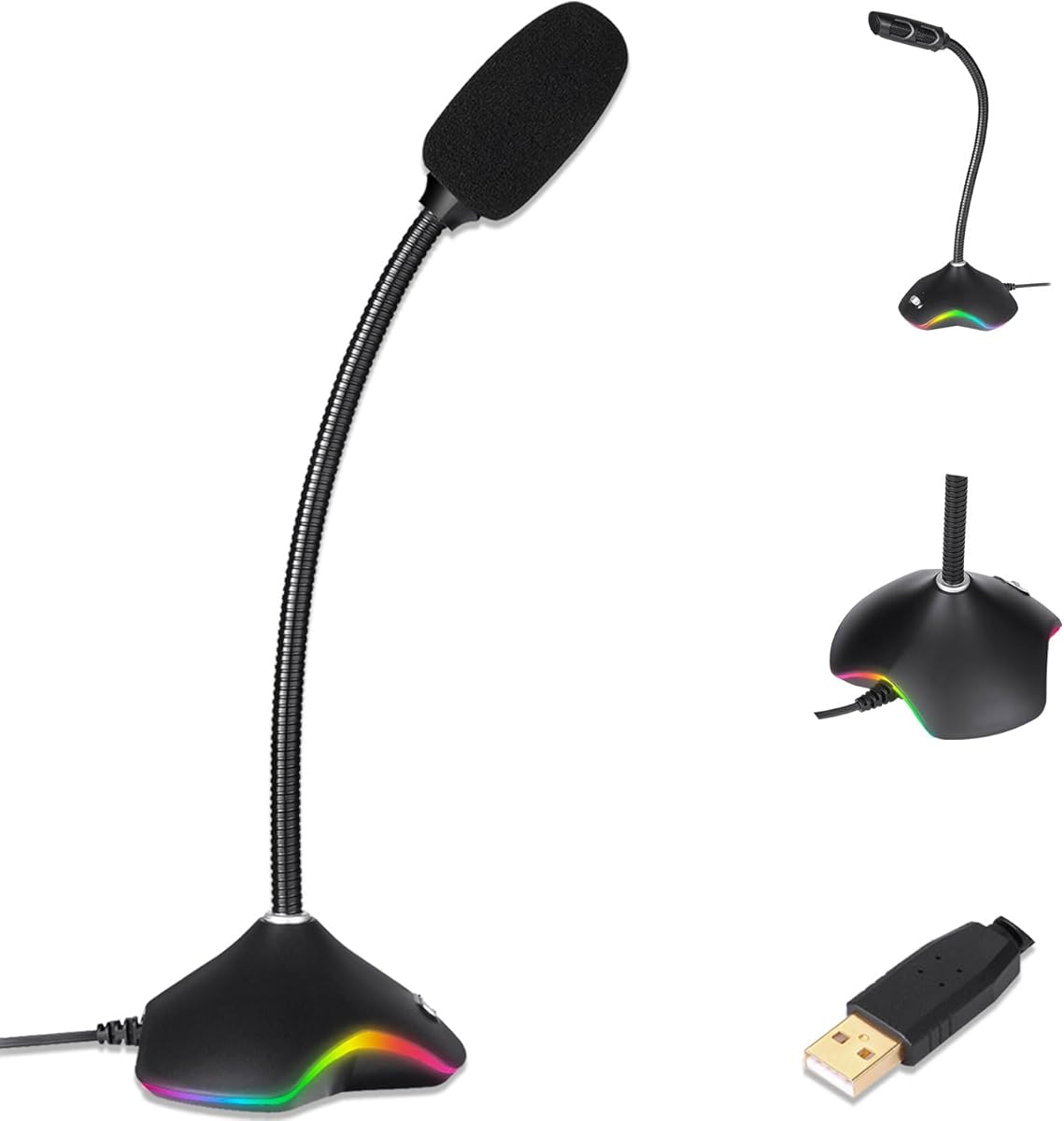
Evaluating USB streaming mics: What the KLIM Rhapsody offers versus competitors
The KLIM Rhapsody enters a crowded market of USB condenser microphones targeting content creators and gamers. This specific model emphasizes RGB lighting, multi-platform compatibility, and claims of 'best sound quality'—features that require careful evaluation against actual performance. Buyers should understand how its cardioid pickup pattern and USB-C connectivity compare to similarly priced alternatives.
Key Considerations Before Buying
- The RGB lighting on the KLIM Rhapsody is purely aesthetic—it doesn't indicate recording status or sound levels, unlike some professional mics with functional LED indicators.
- Multi-platform compatibility (Windows, Mac, PS4, PS5) is valuable but requires checking if the microphone needs software configuration changes between systems.
- Claims of 'best sound quality' should be weighed against the 3.90 adjusted rating, which suggests some users experience issues with audio clarity or consistency.
What Our Analysts Recommend
For USB streaming microphones, examine reviews mentioning specific use cases like voice isolation during gaming sessions or handling of plosive sounds (p, b sounds). Quality indicators include consistent performance across different voice types and minimal background noise pickup despite the cardioid pattern. Look for mentions of whether the included stand effectively reduces desk vibration transmission.
Computer Microphones Market Context
Market Overview
The sub-$100 USB microphone segment has exploded with brands like FIFINE, Blue Yeti Nano, and Razer Seiren Mini competing directly with KLIM. These products typically offer plug-and-play operation but vary significantly in actual sound reproduction quality and build durability. The inclusion of RGB lighting has become a common differentiator in gaming-focused models.
Common Issues
Many budget USB mics struggle with inconsistent gain control, resulting in either too-quiet recordings or distortion at normal speaking volumes. Some models exhibit noticeable self-noise or fail to maintain consistent performance across different USB ports or systems. Build quality issues, particularly with included stands or mounting hardware, frequently appear in critical reviews.
Quality Indicators
Reliable USB microphones demonstrate consistent performance across multiple user reviews mentioning clear voice reproduction without excessive post-processing. Look for mentions of durable construction, particularly around the USB-C port and mounting threads. Quality products maintain their audio characteristics whether used for streaming, podcasting, or speech recognition software.
Review Authenticity Insights
Grade B Interpretation
A Grade B authenticity rating with 15% estimated fake reviews indicates generally trustworthy feedback but suggests some review manipulation exists. For the KLIM Rhapsody, this means most reviews reflect genuine experiences, though the gap between the 4.22 displayed rating and 3.90 adjusted rating suggests inflated positive feedback.
Trust Recommendation
Focus on reviews that mention specific technical details like USB-C connectivity performance or RGB lighting control rather than generic praise. Given the authenticity analysis, pay particular attention to the 2-4 star reviews, which are more likely to contain balanced, authentic feedback about this specific microphone's performance limitations.
Tips for Reading Reviews
For this product category, prioritize reviews that describe actual audio tests—comparing the KLIM Rhapsody to other microphones or detailing specific software settings needed for optimal performance. Be skeptical of reviews that only mention packaging or aesthetics without addressing sound quality across different applications.
Expert Perspective
The KLIM Rhapsody presents as a feature-rich option in the budget USB microphone category, but its 3.90 adjusted rating (versus 4.22 displayed) suggests performance inconsistencies that potential buyers should consider. The multi-platform compatibility is genuinely valuable for users switching between gaming consoles and computers, though the 'best sound quality' claim appears overstated based on review patterns. The product's positioning as both a streaming and speech recognition microphone indicates versatility, but users should verify it performs adequately across all advertised use cases.
Purchase Considerations
Weigh the RGB lighting and multi-platform support against the potential audio consistency issues indicated by the adjusted rating. Consider whether you need true plug-and-play operation across Windows, Mac, and PlayStation systems, or if you'll primarily use one platform where more specialized alternatives might excel. The 15% estimated fake review percentage suggests seeking out video reviews or audio samples to supplement written feedback.
Comparing Alternatives
Shoppers should compare the KLIM Rhapsody's performance against similarly priced USB microphones from FIFINE, Tonor, or Blue that may offer better consistency despite potentially fewer aesthetic features.


