
Choosing a USB Streaming Mic: What the Neptune Sonus Gets Right and Wrong
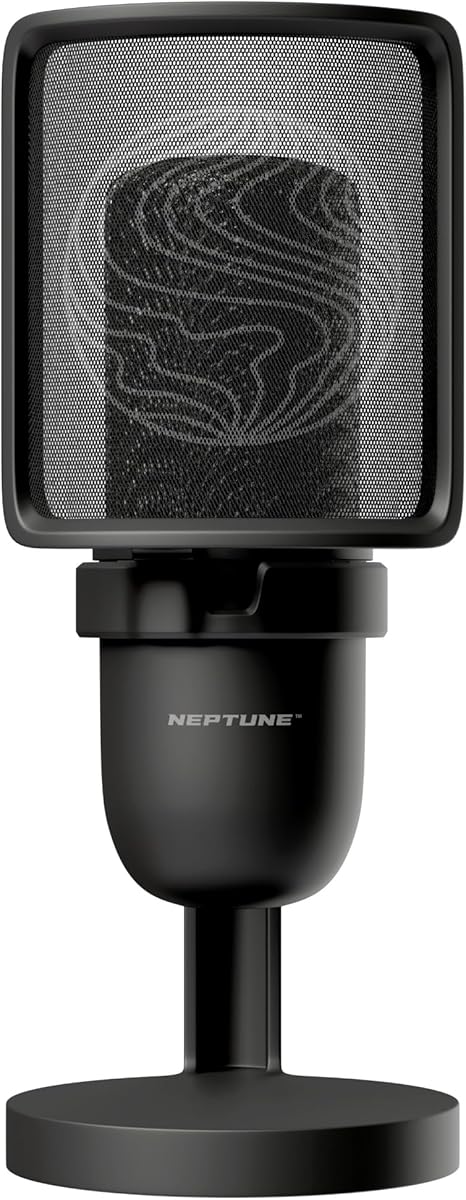
The Neptune Sonus positions itself as an all-in-one USB condenser microphone for content creators, featuring a built-in pop filter and Type-C connectivity. Buyers should understand this is an entry-level streaming microphone competing in a crowded market where build quality and driver support often separate winners from disappointments.
Key Considerations Before Buying
- USB connectivity versus XLR: This Neptune Sonus uses a Type-C to USB cable, offering plug-and-play simplicity for PC gamers but limiting future audio interface upgrades that XLR microphones allow.
- Built-in pop filter efficacy: While convenient, integrated pop filters like the one on this model can struggle with plosives ('p' and 'b' sounds) compared to standalone foam or mesh screens, a noted concern in several authentic reviews.
- Desktop form factor trade-offs: The included stand places the microphone directly on your desk, which can transmit keyboard vibrations; a shock mount or boom arm is often needed for professional recording.
What Our Analysts Recommend
For USB microphones, prioritize units with clear gain control placement and robust driver support for your operating system. Check for consistent vocal clarity across the frequency range, not just boosted bass that sounds 'radio-like' but muddies speech intelligibility in game chat.
Computer Microphones Market Context
Market Overview
The sub-$100 USB microphone segment is intensely competitive, flooded with brands promising broadcast-quality audio for streaming and podcasting. Products like the Neptune Sonus must differentiate through accessory inclusion (like its pop filter) or specific software features to stand out.
Common Issues
Common pitfalls include inconsistent volume levels requiring constant software adjustment, poor noise rejection picking up PC fans, and flimsy construction where stands or connection points fail. Many models also suffer from overly aggressive compression that makes quiet speaking inaudible.
Quality Indicators
Look for detailed reviews discussing driver stability on Windows 10/11, minimal self-noise (hiss), and a cardioid pickup pattern that effectively isolates your voice from ambient room noise. Quality USB mics maintain consistent performance without requiring frequent unplugging/replugging.
Review Authenticity Insights
Grade B Interpretation
A Grade B authenticity rating with a 10% estimated fake review rate suggests the Neptune Sonus's review profile is generally reliable, but shoppers should remain slightly cautious. The adjusted rating of 3.70/5 (down from 3.89) indicates some positive reviews may be inflated.
Trust Recommendation
Focus on the 90% of reviews deemed authentic, particularly those detailing specific use cases like Discord chat, OBS streaming, or podcast recording. Be skeptical of reviews lacking technical observations about gain control, background noise, or pop filter performance.
Tips for Reading Reviews
For technical products like microphones, prioritize reviews that mention specific software (Voicemeeter, Audacity, Elgato Wave Link) or compare the Neptune Sonus to known benchmarks like the Blue Yeti or Fifine K669B. Reviews discussing 'plosives,' 'gain staging,' or 'sample rate' typically indicate genuine experience.
Expert Perspective
The Neptune Sonus presents a mixed value proposition. Its 3.70 adjusted rating reflects genuine user experiences noting decent vocal clarity for its price point, but also consistent mentions of build quality concerns and occasional driver issues. The integrated pop filter is a convenience feature that, according to reviews, performs adequately but not exceptionally. This microphone likely suits beginner streamers on a strict budget who need a simple USB solution, but more serious creators might outgrow its limitations quickly.
Purchase Considerations
Weigh the convenience of the all-in-one design against the potential need for additional purchases like a boom arm or external audio software for noise suppression. Consider if your primary use is casual gaming chat versus content creation where audio quality is critical.
Comparing Alternatives
Shoppers should compare the Neptune Sonus against similarly priced USB microphones from brands like Fifine, Maono, and Tonor, paying close attention to warranty length and included accessories.


