
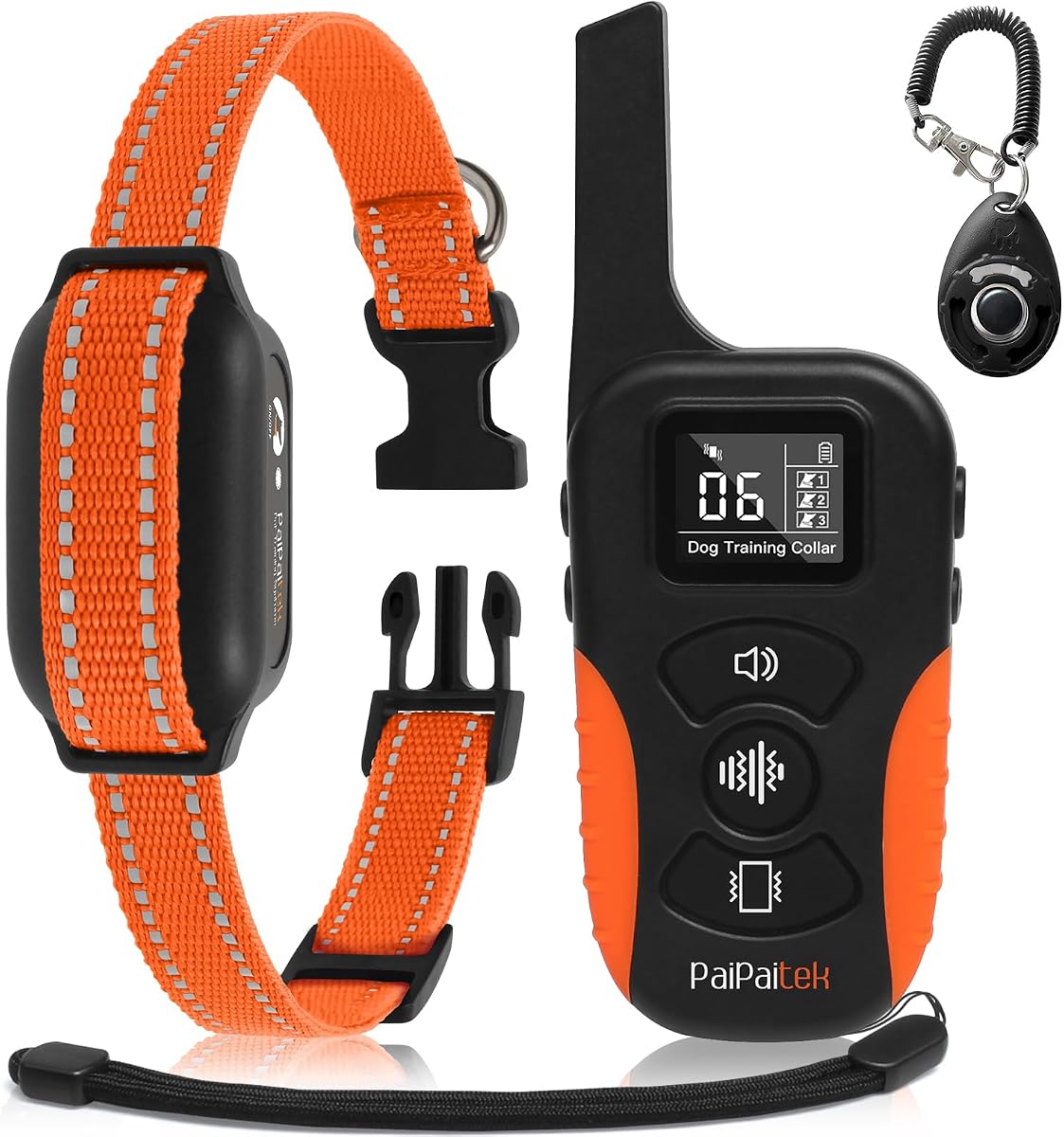
Choosing a Vibration-Only Training Collar: What Really Matters
If you're shopping for a vibration collar, you've probably noticed that many products blur the line between 'no shock' and 'low shock.' This collar is strictly beep-and-vibrate, with a 3300ft range and a security lock, so it's worth understanding how those features affect training and safety. Here's what to consider before you buy.
Key Considerations Before Buying
- Vibration intensity and adjustability: A collar that offers multiple vibration levels lets you start low and increase only if your dog doesn't respond, which is crucial for sensitive or anxious dogs. Some cheap models have only one strong setting that can startle rather than teach.
- Range and signal reliability: The advertised 3300ft range is generous, but real-world performance depends on terrain and interference. Look for reviews that mention consistent signal in open fields or thick brush, as this affects off-leash training.
- Fit and contact for dogs 5–120 lbs: The collar must fit securely without being too tight, and the vibration unit should sit snugly against the neck for your dog to feel it. Since this model has no prongs, you'll rely on the vibration motor making good contact, so adjustable sizing and a secure buckle are key.
What Our Analysts Recommend
Prioritize collars with clearly labeled vibration levels, a long battery life, and waterproof construction that matches your dog's lifestyle. A security lock is a smart feature if you're worried about accidental corrections, and a rechargeable battery saves money over time. Also check that the controller is easy to grip and has distinct buttons to avoid fumbling during training.
Electronic Training Collars Market Context
Market Overview
The electronic training collar market is shifting toward humane, shock-free options as more owners seek force-free training tools. Vibration and tone collars are now a significant segment, with prices ranging from budget to premium, and features like range, waterproofing, and multi-dog capability driving differentiation.
Common Issues
A frequent complaint with vibration collars is inconsistent vibration strength or delayed response, which can confuse dogs and frustrate trainers. Another issue is poor waterproofing—some collars claim to be waterproof but fail after repeated exposure to rain or swimming. Battery life and charging port reliability are also common pain points.
Quality Indicators
Quality vibration collars use durable materials, have a strong and consistent vibration motor, and offer clear instructions for fitting and training. Look for IPX7 or higher waterproof ratings, replaceable straps, and a controller that pairs reliably. Brands that provide training guides and responsive customer support are often more trustworthy.
Review Authenticity Insights
Grade A Interpretation
An adjusted rating of 4.60/5 from 856 reviews, with only about 5% estimated fake reviews, is a strong signal that the feedback is largely genuine. The A grade means the reviews are detailed and specific—like using the collar for a deaf dog or managing barking—which suggests real owners sharing real experiences.
Trust Recommendation
You can trust the overall rating, but still read a few recent reviews to see if the product has changed or if there are recurring issues like battery degradation. Pay attention to reviews that mention long-term use, as they reveal durability beyond the first few weeks.
Tips for Reading Reviews
Focus on reviews that describe your dog's size, breed, and training challenge, as results vary. Look for comments on vibration strength, range, and waterproofing—these are the features most likely to disappoint if they don't match your needs. Ignore generic praise and seek specifics.
Expert Perspective
This collar stands out for its no-shock design and long 3300ft range, making it a solid choice for recall training and curbing unwanted behaviors without pain. The security lock prevents accidental vibrations, and the rechargeable battery adds convenience. With a high adjusted rating and authentic reviews, it appears to be a reliable option for dogs from 5 to 120 lbs. However, as with any training tool, success depends on proper introduction and consistent use.
Purchase Considerations
Before buying, consider your dog's sensitivity to vibration—some dogs find it aversive, so start on the lowest setting and pair with rewards. Also assess whether you need multi-dog capability or a longer range; if not, this collar's features may be more than sufficient. Check the warranty and return policy to ensure you can try it risk-free.
Comparing Alternatives
Compare this collar with similar vibration-only models from brands like Dogtra or Educator, which may offer different vibration patterns or expandability. Reading side-by-side comparisons can help you decide which features are worth the price.


