
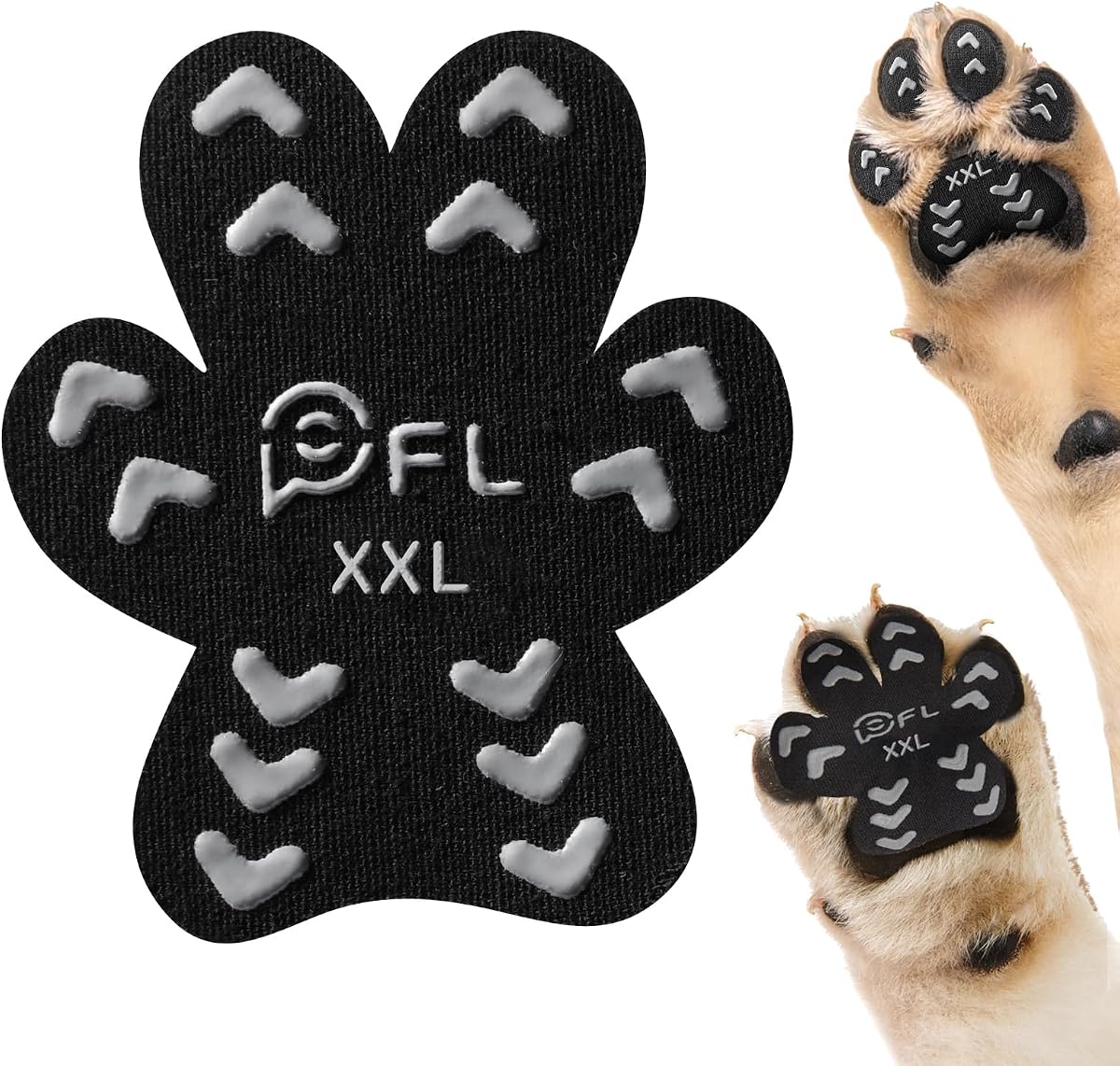
Disposable Dog Paw Protectors: What to Know Before You Buy
Disposable self-adhesive paw pads like these 48-piece sets offer a temporary fix for senior dogs struggling on hardwood or tile. Unlike reusable booties or rubber grips, these pads are designed for one-time use, making them ideal for short-term needs such as post-surgery recovery or a trial run before investing in a permanent solution.
Key Considerations Before Buying
- Adhesive strength and residue: The pads must stay put during walks but remove cleanly without pulling fur. Look for pads that use a gentle, pet-safe adhesive and are easy to peel off.
- Size and fit: Pads that are too small won't provide traction, while oversized ones may bunch up. Measure your dog's paw width and check the product's dimensions to ensure a snug fit.
- Surface compatibility: These pads are marketed for hardwood and tile, but performance can vary. Some adhesives work better on smooth surfaces than on textured or matte floors, so consider your home's flooring.
What Our Analysts Recommend
Prioritize pads made from durable, non-slip materials like silicone or rubberized fabric that won't wear through quickly. Check that the adhesive is strong enough for active dogs but won't leave sticky residue. Also, consider the quantity—48 pieces may seem ample, but for daily use on a large dog, you'll go through them fast.
Paw Protectors Market Context
Market Overview
The paw protector market is growing as pet owners seek solutions for aging dogs and slippery floors. Disposable pads are a niche segment, competing with reusable booties, socks, and topical grip products. While convenient, they are often criticized for limited durability and environmental impact.
Common Issues
Many disposable pads suffer from weak adhesion, causing them to fall off within minutes. Others leave sticky residue that attracts dirt or irritates paws. Sizing is another frequent complaint—pads may not fit properly, leading to discomfort or ineffectiveness.
Quality Indicators
High-quality pads use medical-grade adhesive that balances tackiness with easy removal. They should be made from flexible, non-toxic materials that conform to the paw shape. Look for products that specify the adhesive type and offer a satisfaction guarantee.
Review Authenticity Insights
Grade A Interpretation
This product has a Grade U authenticity rating, meaning there are not enough reviews to analyze for suspicious activity. With zero reviews, it's impossible to gauge real-world performance or verify the seller's reputation.
Trust Recommendation
Given the lack of reviews, proceed with caution. Check the seller's history and return policy. If you purchase, test the pads on a small area first and monitor your dog for any adverse reactions. Consider waiting for reviews to accumulate before buying in bulk.
Tips for Reading Reviews
When reviews become available, focus on those that mention specific details like adhesive strength, fit, and residue. Look for patterns across multiple reviews rather than isolated complaints. Be wary of overly positive reviews that lack specifics, as they may be incentivized.
Expert Perspective
This product addresses a real need for senior dogs with mobility issues, but the absence of reviews and a 0.00 rating makes it a gamble. The 48-piece count suggests good value for short-term use, but without user feedback, it's unclear if the adhesive and materials hold up. The disposable nature may also be a drawback for environmentally conscious buyers.
Purchase Considerations
Weigh the convenience of disposables against their cost and waste. If your dog only needs occasional traction, these could be a quick fix. For long-term use, reusable alternatives like rubber booties or paw grips may be more economical and sustainable. Also, consider your dog's tolerance—some may try to chew or remove the pads.
Comparing Alternatives
Before committing, compare with reusable paw protectors or non-slip mats, which may offer better durability and value. Read reviews for similar products to understand typical performance and pitfalls.


