Capture Clarity: Choosing a Versatile 4K HDMI Capture Card for Streaming and Teaching
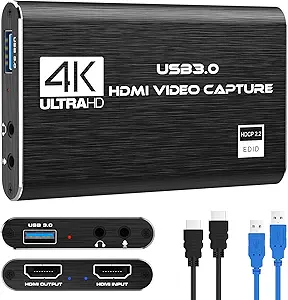
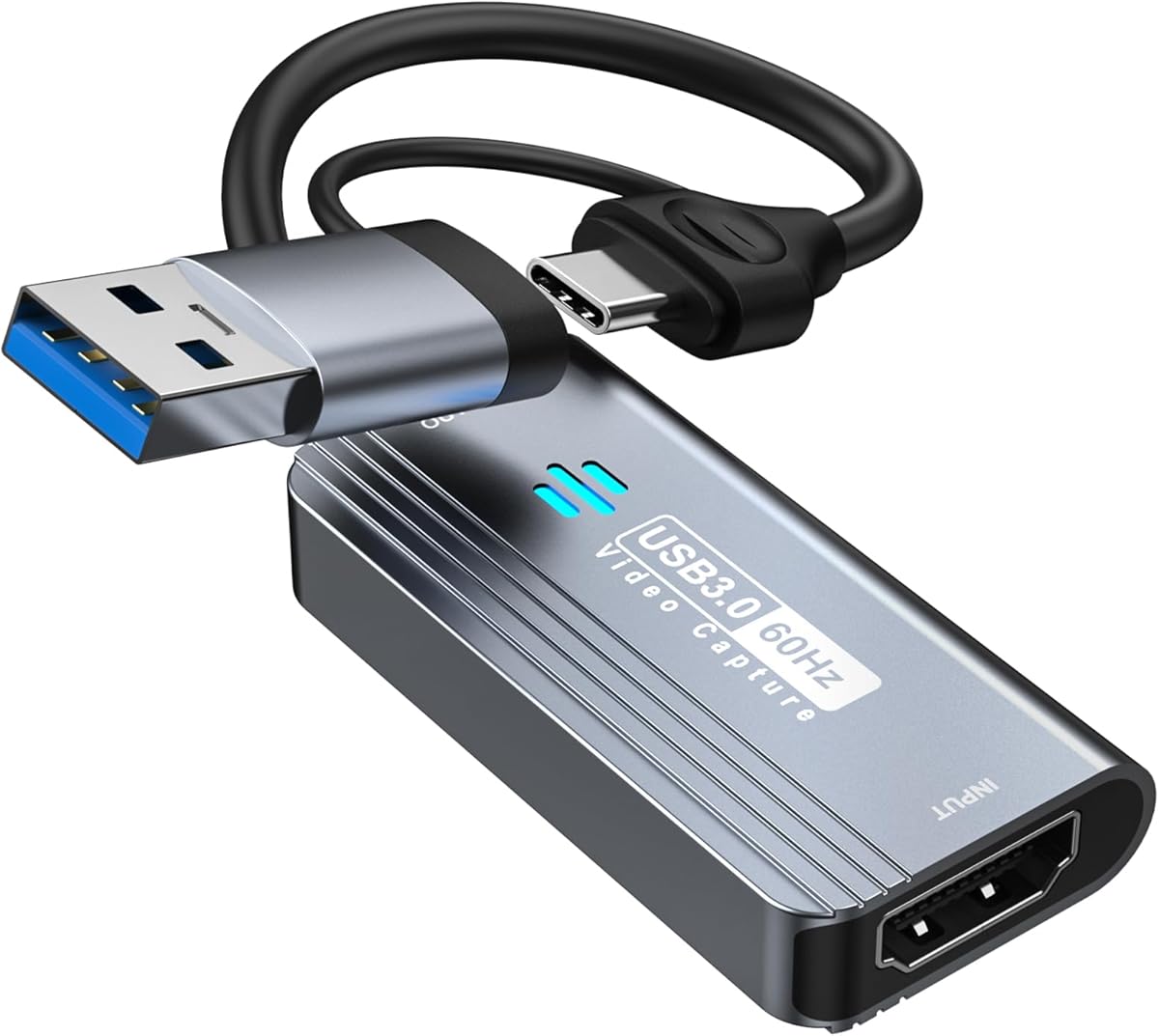
When shopping for a video capture card like the Papeaso, which supports 4K HDMI input and USB/USB-C 3.0 connectivity, you're looking to bridge your camera or console to your computer for streaming, teaching, or gaming. This device specifically captures at 1080P 60FPS, so understanding your output needs and latency tolerance is key to getting the right tool for live broadcasting or recording.
Key Considerations Before Buying
- Resolution and frame rate: Ensure the capture card matches your source—Papeaso handles 4K input but outputs at 1080P 60FPS, ideal for smooth streaming but not for native 4K recording.
- Connection type: USB 3.0 or USB-C compatibility is critical for low-latency data transfer; Papeaso offers both, making it flexible for modern laptops and desktops.
- Use-case alignment: This card is marketed for streaming, teaching, gaming, and video conferencing. Check if it includes features like plug-and-play setup or audio passthrough to avoid extra gear.
What Our Analysts Recommend
Quality indicators in this category include verified low-latency performance, consistent frame rate without dropped frames, and robust build quality. Look for cards with UVC compliance (no driver installation needed) and clear specifications on input/output resolutions to ensure compatibility with your hardware.
Internal TV Tuner & Capture Cards Market Context
Market Overview
The video capture card market has surged with the rise of live streaming, remote education, and hybrid work, offering options from budget USB dongles to high-end PCIe cards. Papeaso competes in the mid-range USB segment, where users prioritize portability and ease of use over pro-level features like multi-input or hardware encoding.
Common Issues
Common problems include driver conflicts, audio sync delays, and overheating during extended use. Some budget cards also fail to maintain 60FPS at 1080P, leading to choppy video—so stability under load is a frequent concern.
Quality Indicators
High-quality capture cards often feature metal housings for heat dissipation, support for multiple software platforms (OBS, Zoom, Teams), and consistent frame rates verified by user reviews. Look for models that specify chipset brands (like MS2130) for reliability.
Review Authenticity Insights
Grade B Interpretation
With a Grade B and an estimated 10% fake review rate, the Papeaso's review pool is mostly trustworthy but has some noise. This means the 4.78/5 rating is slightly inflated—likely closer to 4.50/5 after filtering, still indicating strong satisfaction among genuine buyers.
Trust Recommendation
You can rely on the majority of verified purchase reviews, but cross-check details on performance consistency, especially for gaming or live streaming. Focus on reviews that mention specific use cases (e.g., teaching with a DSLR) to gauge real-world reliability.
Tips for Reading Reviews
For capture cards, prioritize reviews that discuss latency, software compatibility, and long-term durability. Ignore overly short or vague reviews, and look for balanced comments that mention both pros (e.g., easy setup) and cons (e.g., occasional dropped frames).
Expert Perspective
The Papeaso Video Capture Card offers a solid balance of features for its price point, with 4K input passthrough and 1080P 60FPS capture suiting most streamers and educators. Its high adjusted rating of 4.50/5 suggests genuine user satisfaction, though the 10% fake review rate warrants a cautious check of detailed feedback. For non-professional use, it's a reliable choice, but expect some trade-offs in advanced features like hardware encoding or multi-device support.
Purchase Considerations
Weigh your need for plug-and-play simplicity against potential latency in fast-paced gaming. If you require zero-lag performance or native 4K recording, consider a higher-tier card, but for standard streaming or Zoom teaching, the Papeaso delivers capable performance at a competitive price.
Comparing Alternatives
Shoppers should compare with other USB capture cards like the Elgato HD60 S or AverMedia Live Gamer Mini, which offer similar specs but may have better software ecosystems or lower fake review rates.