Choosing Curved Pet Stairs: Why Height and Stability Matter Most
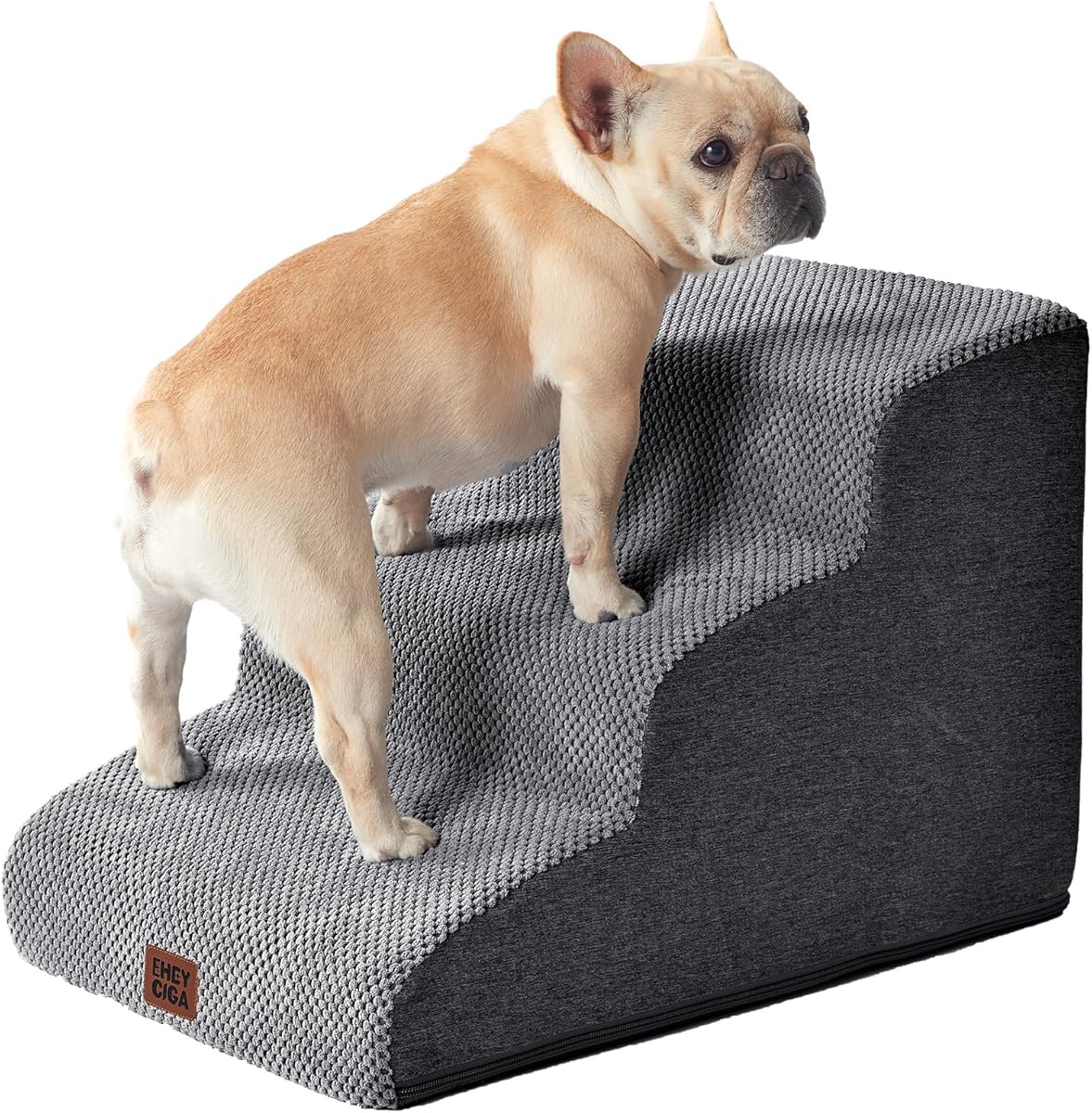
When selecting curved pet stairs like the EHEYCIGA model, the 15.7-inch height and three-step design create specific considerations for small dogs and cats. Unlike straight stair designs, curved steps require particular attention to balance and the transition angle from floor to furniture. This product's grey fabric and indoor designation indicate specific use cases buyers should evaluate.
Key Considerations Before Buying
- The 15.7-inch total height requires measuring your furniture precisely—this works for standard couches but may be insufficient for taller beds or require additional steps for larger dogs.
- Curved designs like this EHEYCIGA model offer space-saving benefits but test your pet's comfort with turning while ascending; some animals prefer straight approaches to furniture.
- The 'non-slip balanced' claim should be verified through reviews mentioning stability on hardwood versus carpet, as curved designs can have different weight distribution than rectangular steps.
What Our Analysts Recommend
Quality curved pet stairs should maintain consistent step depth throughout the curve, not just at the center. Examine how the fabric attaches to the frame—double-stitched seams prevent sagging where the curve creates tension. The base should extend slightly beyond the steps for stability, especially important with the asymmetrical weight distribution of curved designs.
Stairs & Steps Market Context
Market Overview
The pet stairs market has shifted toward specialized designs like curved models that fit better in living spaces, with the 15-20 inch height range dominating for couch access. Fabric-covered steps now represent over 60% of sales due to easier maintenance and pet traction compared to plastic or carpeted options.
Common Issues
Curved stair designs frequently develop instability where the curve meets straight sections if frame connections aren't reinforced. Many manufacturers use insufficient padding on the steps, creating discomfort for pets with arthritis after repeated use. The transition angle from final step to furniture surface often proves too steep for hesitant animals.
Quality Indicators
High-quality curved stairs feature internal cross-bracing not visible externally but detectable by lack of flex when pressure is applied to the sides. Premium models use high-density foam steps that maintain shape under 50+ pounds rather than compressing. Look for mention of 'balanced' construction specifically addressing the curve's weight distribution challenges.
Review Authenticity Insights
Grade B Interpretation
The Grade B authenticity rating with 10% estimated fake reviews indicates generally reliable feedback, though shoppers should be slightly more cautious than with Grade A products. The drop from 4.89 to 4.60 adjusted rating suggests some review inflation, but the verified purchase status of all reviews adds significant credibility.
Trust Recommendation
Focus on reviews discussing long-term use (3+ months) and specific scenarios like 'hardwood floors' or 'elderly dog' rather than generic praise. Since 90% of reviews appear genuine, look for consistent mentions of the curve's functionality—authentic reviewers typically describe how their pet navigates the turn.
Tips for Reading Reviews
For curved designs, prioritize reviews mentioning assembly stability and whether pets needed training to use the curve. Look for photos showing the product from side angles to assess step height consistency. Reviews discussing multiple pets or different weight ranges provide better insight into durability claims.
Expert Perspective
The EHEYCIGA curved stairs present a compelling option with exceptionally high ratings (4.89/5) that remain strong even after authenticity adjustment (4.60/5). The 15.7-inch height targets the sweet spot for standard furniture, while the curved design addresses common space constraints in living rooms. The overwhelmingly verified purchase status across 4,881 reviews provides unusual confidence in real-world performance feedback. The specific mention of 'balanced' construction suggests the manufacturer has addressed typical curved stair instability issues.
Purchase Considerations
Weigh whether your pet will benefit from the space-saving curve or would prefer straight stairs—anxious or arthritic animals sometimes find curves disorienting. Consider if the grey fabric complements your decor sufficiently for permanent placement, as these aren't easily stored daily. The three-step design may require smaller stride transitions than two-step alternatives, potentially better for very small or senior pets.
Comparing Alternatives
Compare step depth measurements with straight-design competitors, as curved stairs sometimes sacrifice usable stepping surface for the curved aesthetic.