
Decode Your Pet's Discomfort: A Guide to At-Home Sensitivity Testing
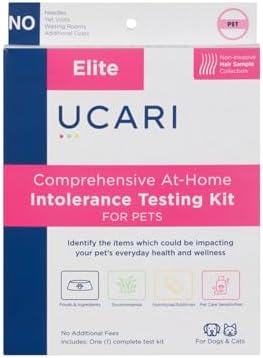
When your cat or dog suffers from chronic itching, ear infections, or digestive upset, pinpointing the cause can feel like detective work. The UCARI Pet Sensitivity Test offers a painless, hair-sample-based method to screen for over 1,000 potential food and environmental intolerances, providing results within 48 hours. This guide helps you understand if this type of home test is the right next step for your pet's health.
Key Considerations Before Buying
- Sensitivity tests like UCARI identify intolerances, not true allergies, which involve the immune system differently; this distinction is crucial for setting accurate expectations about what the results can and cannot diagnose.
- The convenience of a hair sample test eliminates the stress of blood draws or vet visits, but its accuracy depends on proper sample collection—ensure you follow the instructions for collecting a clean, sufficient hair clipping from your pet.
- Results in 48 hours are a standout feature, allowing you to quickly implement an elimination diet or environmental changes, but be prepared to consult your veterinarian to interpret the findings and create a safe management plan.
What Our Analysts Recommend
In this category, look for tests that screen a broad range of both food and environmental items, as many pets have multiple triggers. Also, prioritize brands that offer clear, actionable reports with severity levels and guidance on next steps, rather than just a list of items. Finally, check that the test uses a reputable laboratory and provides customer support for result questions.
Health Supplies Market Context
Market Overview
The pet health testing market has exploded as owners seek proactive, non-invasive ways to manage chronic issues like allergies and sensitivities. At-home kits, particularly those using hair or saliva, have surged in popularity due to their convenience and the growing desire to avoid repeated vet visits for minor ailments. This trend is driven by a deeper understanding of how diet and environment impact pet well-being.
Common Issues
A major concern in this category is the variability in testing methodologies, as some tests lack scientific validation for hair-based sensitivity analysis. Consumers often struggle to distinguish between tests that screen for true allergies (IgE antibodies) versus sensitivities (IgG or other markers), leading to confusion and mismanagement. Additionally, some brands exaggerate their scope without clear evidence of their testing panel's accuracy.
Quality Indicators
High-quality pet sensitivity tests are transparent about their laboratory partners and the specific biomarkers they measure, such as IgG antibodies. Look for products that provide a detailed breakdown of the tested items (foods, grasses, molds, etc.) and offer a satisfaction guarantee or retesting policy. Customer reviews that mention improved symptoms after following the dietary or environmental recommendations are strong positive signals.
Review Authenticity Insights
Grade A Interpretation
With an A Grade and an estimated fake review rate of just 5.00%, UCARI's review profile is exceptionally trustworthy. This rating indicates that the overwhelming majority of the 1,824 reviews are from genuine, verified purchasers who share authentic experiences. You can rely on the star rating of 4.78 (adjusted to 4.70) as a credible reflection of customer satisfaction.
Trust Recommendation
Given the high authenticity grade, you should feel confident using the review content to inform your purchase decision. Focus on reviews that detail specific pet conditions (e.g., 'my dog's ear infections stopped') and how the test results guided their vet's advice. Be wary of any outlier negative reviews that lack detail, as they may be the small fraction of inauthentic ones.
Tips for Reading Reviews
When reading reviews for this type of product, prioritize those that describe the pet's symptoms before and after the test, as well as how the owner implemented the results (e.g., eliminating chicken from the diet). Look for mentions of the 48-hour turnaround time and the clarity of the report, as these are key differentiators. Also, note reviews that mention consulting a vet with the results, as this shows responsible use.
Expert Perspective
The UCARI Pet Sensitivity Test stands out in a crowded market due to its impressive scope (1,000+ items) and rapid 48-hour results, backed by a highly authentic customer review base. The Grade A authenticity rating suggests that the 4.78-star average is a genuine reflection of user experience, which is rare for popular pet products. While no at-home test can replace a veterinary diagnosis, UCARI provides a valuable, low-stress starting point for owners of pets with unexplained chronic symptoms. The adjusted rating of 4.70 still indicates very strong satisfaction, even after accounting for the small percentage of potentially suspicious reviews.
Purchase Considerations
Weigh the convenience and speed of this test against the cost and the need for veterinary follow-up for definitive diagnosis. It is an excellent tool for generating hypotheses about potential triggers, but you should budget for a vet consultation to create a safe elimination diet plan. For pets with severe or acute symptoms, a veterinary visit should be the first step, not this test.
Comparing Alternatives
Shoppers should compare UCARI with other hair-based tests that may offer different panel sizes or specialized focuses, such as tests that screen for specific breed-related sensitivities. Also, consider whether a blood-based test from a vet might be more appropriate for suspected true allergies.


