
Duck Boots for Winter: What to Know Before You Buy
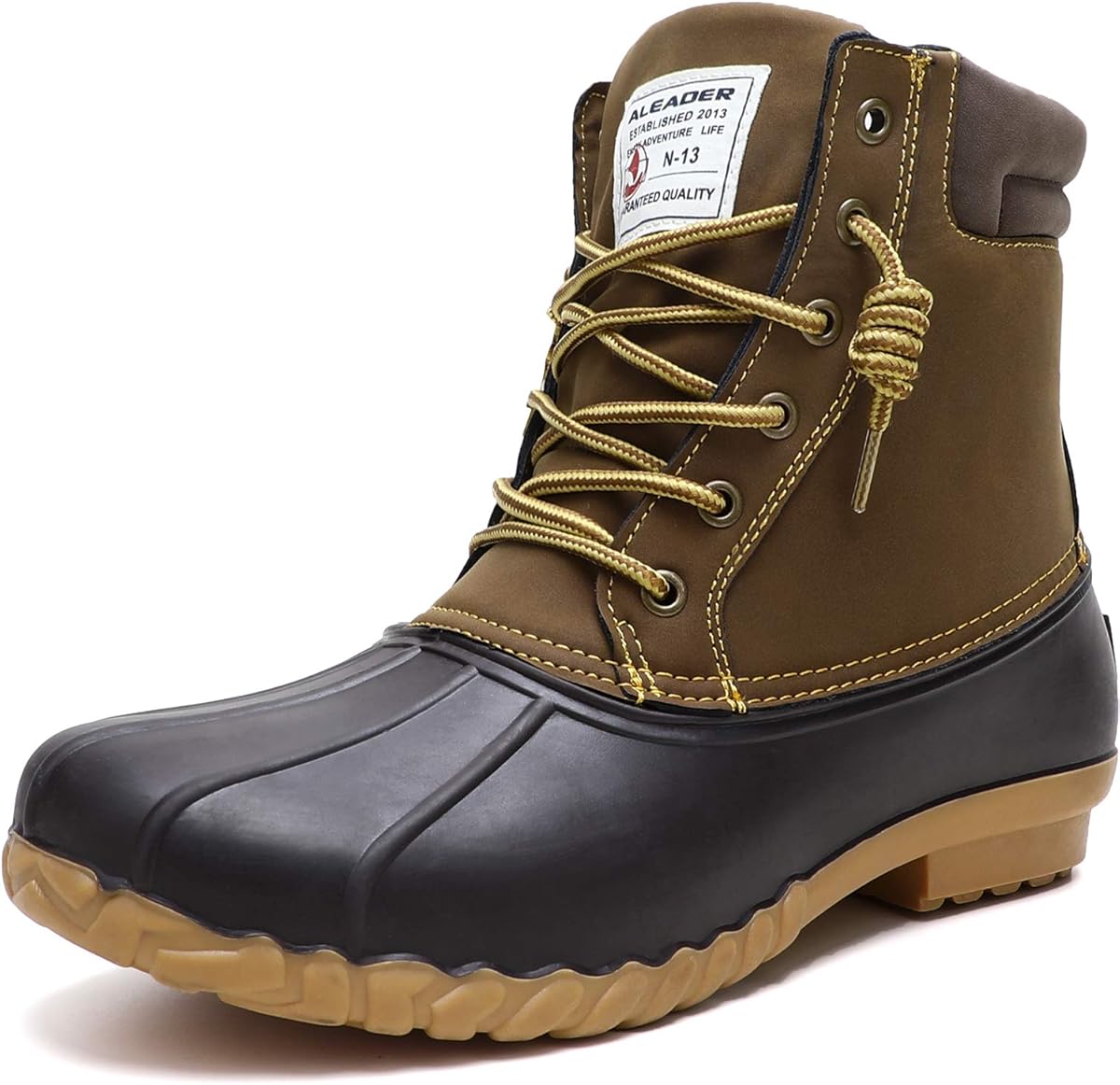
ALEADER's men's duck boot combines a waterproof shell with fur lining and insulation, aiming to deliver warmth and dryness in slush, snow, and rain. With a 4.67-star average from over 6,500 reviews, it's a popular budget-friendly option—but the adjusted rating of 4.30 suggests some hype may be inflated.
Key Considerations Before Buying
- Duck boots rely on a rubber shell for waterproofing, but the seam between shell and upper is a common leak point. Check reviews for mentions of long-term waterproof performance, not just initial impressions.
- Fur lining adds warmth but can flatten over time and reduce insulation. Look for feedback on warmth retention after a full season and whether the lining stays put when you pull the boot on and off.
- Insulated winter boots are often sized to accommodate thick socks, so fit can be tricky. Pay attention to whether reviewers suggest sizing up or down, and note comments on width for broader feet.
What Our Analysts Recommend
Prioritize boots with a thick, flexible rubber shell that extends high enough to handle deep slush, and a lugged outsole for traction on ice. Quality insulation should be evenly distributed without bulky hot spots, and the lining should be securely stitched—not glued—to avoid bunching. Also check that the boot has a removable insole for drying and replacement.
Snow Boots Market Context
Market Overview
The snow boot market is crowded with options ranging from premium heritage brands to budget-friendly imports. Duck boots have seen a resurgence as versatile winter footwear, but quality varies widely—many sub-$100 pairs cut corners on materials and waterproofing.
Common Issues
Frequent complaints in this category include soles that crack in extreme cold, linings that shed or mat, and waterproofing that fails after a few wears. Sizing inconsistencies are also rampant, especially with insulated models that run small or narrow.
Quality Indicators
A well-made winter boot should have a sturdy, stitched outsole (not just glued), a shell that flexes without cracking, and insulation that rebounds after compression. Look for boots with a defined heel and aggressive tread pattern for snow and ice, and check that the upper materials are backed by a warranty.
Review Authenticity Insights
Grade B Interpretation
A Grade B authenticity score with an estimated 15% fake review rate means the majority of reviews are likely genuine, but a noticeable minority may be incentivized or fabricated. The adjusted rating of 4.30 (down from 4.67) suggests that while most buyers are satisfied, the true satisfaction level is slightly lower than the raw score implies.
Trust Recommendation
Use the adjusted rating as a more realistic benchmark, and focus on reviews that mention specific use cases (e.g., shoveling snow, commuting) and include both pros and cons. Be wary of reviews that are overly enthusiastic, lack detail, or were posted in clusters—these are more likely to be inauthentic.
Tips for Reading Reviews
For winter boots, prioritize reviews that discuss durability over multiple months, waterproofing in real conditions, and fit with different sock thicknesses. Sort by 'Recent' to see if quality has changed over time, and look for verified purchases with photos—they're harder to fake and often reveal construction details.
Expert Perspective
The ALEADER duck boot appears to be a solid budget option for casual winter use, with a large review base and generally positive sentiment. However, the 15% estimated fake review rate and the drop to a 4.30 adjusted rating indicate that some praise may be exaggerated. The boot likely performs well for light to moderate winter conditions but may not hold up to heavy daily wear or extreme cold over multiple seasons.
Purchase Considerations
Weigh the low price against potential durability concerns: if you need a boot for occasional snowstorms or city slush, it may suffice, but for daily winter wear or harsh climates, consider investing in a more robust pair. Also factor in sizing—if you have wide feet or plan to wear thick socks, you may need to size up, so check the return policy.
Comparing Alternatives
Before committing, compare with other duck boots in the $50–$100 range from brands with established winter footwear reputations, and read expert reviews on waterproofing and insulation performance.


