USB Mic Cables: Choosing the Right XLR-to-USB Link for Your Setup
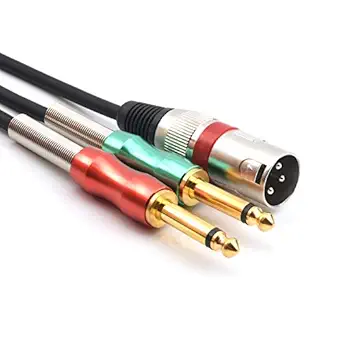
When connecting an XLR microphone to a computer or recording device, a USB microphone cable like this 6-foot XLR female to USB converter is a practical bridge. It's designed for dynamic and condenser mics that require power, so understanding your microphone's needs is crucial before you buy.
Key Considerations Before Buying
- Check if your microphone is powered: This cable provides 5V phantom power, which is sufficient for many condenser mics but not all. If your mic requires 48V phantom power, this cable won't work properly, and you'll need a dedicated audio interface.
- Cable length matters: The 6-foot length is ideal for desktop setups where the mic is close to the computer. For larger recording spaces, you might need a longer cable, but be aware that longer runs can introduce signal degradation.
- Compatibility with your device: Ensure your computer or tablet recognizes the USB connection. Most modern operating systems will auto-detect the cable as a USB audio device, but older systems might require drivers.
What Our Analysts Recommend
Look for a cable with solid build quality—thick shielding to minimize interference, sturdy connectors that won't bend easily, and a chipset that supports the sample rate and bit depth you need for recording. Also, check if the cable provides phantom power and whether it's switchable, as some mics don't need it.
Microphone Cables Market Context
Market Overview
The market for USB microphone cables has grown with the rise of home recording, podcasting, and streaming. These cables offer a convenient, budget-friendly alternative to audio interfaces, but they often sacrifice some control over gain and monitoring. Many users prefer them for simple setups where plug-and-play is key.
Common Issues
Common problems include insufficient phantom power for certain condenser mics, latency issues during monitoring, and occasional driver conflicts on Windows systems. Also, some cables may produce a hum or buzz if not properly shielded, especially when near other electronic devices.
Quality Indicators
High-quality USB mic cables typically feature robust metal connectors, braided or thick PVC shielding, and a built-in DAC that supports at least 16-bit/48kHz audio. Look for cables with positive reviews mentioning clear sound and reliable connectivity over time.
Review Authenticity Insights
Grade B Interpretation
With a Grade B and an estimated 15% fake review rate, the majority of reviews are genuine, but you should be cautious of overly positive or generic posts. The adjusted rating of 3.90/5 suggests that real user experiences are slightly less favorable than the raw 4.22 average, so temper your expectations.
Trust Recommendation
Focus on reviews that provide specific details about their microphone model and recording scenario. Since 15% of reviews may be fake, look for verified purchases and balanced feedback that mentions both pros and cons. If a review seems overly promotional, it's likely not trustworthy.
Tips for Reading Reviews
For this type of product, pay attention to reviews that mention the exact microphone they used and whether it required phantom power. Also, look for comments about sound quality, ease of setup, and durability over time. Ignore reviews that are overly brief or use generic phrases like 'works great' without specifics.
Expert Perspective
This USB microphone cable is a practical solution for basic recording needs, especially for dynamic mics or condenser mics that work with 5V phantom power. The 6-foot length is convenient for desktop use, and the converter design eliminates the need for a separate interface. However, the 15% fake review rate and adjusted rating suggest that some users may encounter issues, particularly with power-hungry mics or driver compatibility.
Purchase Considerations
Before buying, verify your microphone's power requirements and ensure your computer's USB port delivers enough power. Also, consider whether you need features like gain control or headphone monitoring, which this cable doesn't offer. If you're just starting out, this cable is a low-risk investment, but for serious recording, a dedicated interface might be worth the extra cost.
Comparing Alternatives
Shoppers should compare this cable with other XLR-to-USB adapters from brands like Behringer or Pyle, which may offer additional features like gain knobs or better build quality. Also, consider whether a traditional USB microphone might be simpler for your needs.