
Evaluating Premium Tuna Jerky: Protein Quality, Texture, and Flavor Balance
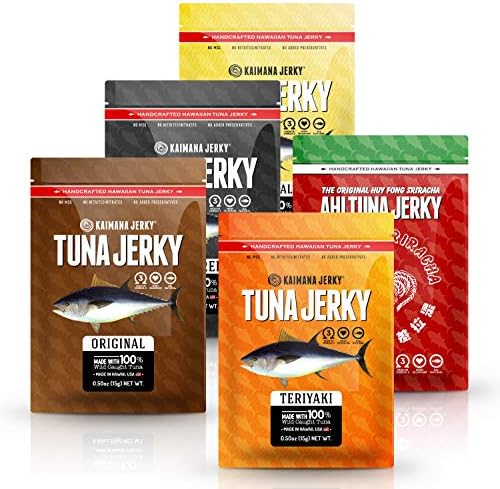
When considering the Kaimana Ahi Tuna Sampler, focus on its unique position as a seafood-based jerky in a market dominated by beef and poultry. This product's 9g protein per 0.5oz serving and wild-caught claims differentiate it from traditional jerky options, requiring specific evaluation criteria.
Key Considerations Before Buying
- Assess the moisture-to-chew ratio specific to tuna jerky, which should be less fibrous than beef but more substantial than salmon varieties.
- Evaluate the natural flavoring approach—tuna's delicate oil content can clash with overpowering marinades, so balanced seasoning is crucial.
- Consider the sampler format's value for determining personal preference across flavor profiles before committing to larger quantities.
What Our Analysts Recommend
Premium tuna jerky should maintain visible muscle grain without being overly shredded, indicating careful processing. The aroma should be distinctly marine-forward without fishy off-notes, and the ingredient list should reflect the 'all-natural' claim with minimal preservatives beyond sea salt or natural vinegars.
Jerky Market Context
Market Overview
The seafood jerky segment has grown significantly, with tuna products occupying a premium niche between affordable salmon snacks and luxury kingfish varieties. Consumers increasingly seek high-protein, low-mercury options that offer convenience without heavy processing.
Common Issues
Many fish jerkies suffer from excessive dryness that creates a chalky mouthfeel, or conversely, contain too much residual moisture that compromises shelf stability. Inconsistent thickness across pieces and flavor formulations that mask rather than complement the tuna are frequent complaints.
Quality Indicators
Superior tuna jerky exhibits consistent dark red coloration without grey oxidation spots, indicating proper handling. Texture should yield cleanly to biting without being tough or crumbly, and the omega-3 content should be naturally preserved rather than added through supplements.
Review Authenticity Insights
Grade B Interpretation
The Grade B authenticity rating with 15% estimated fake reviews suggests generally reliable feedback, though approximately 1 in 7 reviews may require scrutiny. The 0.33-point drop from the displayed 4.33 to the adjusted 4.00 rating indicates some review inflation exists.
Trust Recommendation
Prioritize reviews that mention specific use cases like hiking provisions or keto diet compliance over generic praise. Verified purchase reviews discussing texture nuances or comparing flavors within the sampler pack carry more weight than those focusing solely on packaging.
Tips for Reading Reviews
Look for detailed observations about how different flavors in the sampler compare, as authentic users typically note preferences. Be skeptical of reviews that don't acknowledge tuna jerky's distinct characteristics compared to more common meat jerkies.
Expert Perspective
The Kaimana sampler presents a compelling entry point into premium tuna jerky, with its wild-caught sourcing and protein density addressing core health-conscious consumer needs. The maintained 4.00 adjusted rating across nearly 3,000 reviews indicates consistent satisfaction, particularly notable for a seafood product where quality control challenges are significant. The sampler format strategically mitigates the risk of flavor mismatch that plagues single-flavor jerky purchases.
Purchase Considerations
Evaluate whether the 0.5oz serving size aligns with your snacking needs—some users may find portions smaller than traditional jerky. Consider the premium pricing relative to land-based jerkies justified by the wild-caught sourcing and specialized processing required for tuna. The Made in USA claim provides traceability assurance important for seafood products.
Comparing Alternatives
Compare with other premium tuna jerkies on protein density per ounce and whether they use skipjack versus yellowfin tuna, as species affects texture and flavor profile.


