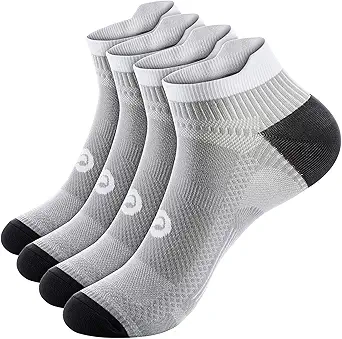
Ankle Compression Socks: What Runners and Plantar Fasciitis Sufferers Need to Know
Ankle-height compression socks designed for running and plantar fasciitis relief sit at the intersection of athletic performance gear and therapeutic support wear. Unlike full-length compression stockings, these low-profile socks target the arch, heel, and ankle—the exact zones where plantar fascia strain and post-run swelling tend to concentrate. With a 4.67-star average across nearly 80,000 ratings, this category clearly resonates with buyers, but fit and compression level vary widely between brands.
Key Considerations Before Buying
- Compression level matters more than style: therapeutic ankle socks typically deliver 15–20 mmHg of graduated pressure, but some running-focused pairs sit closer to 10–15 mmHg. If you're managing active plantar fasciitis, lean toward the higher end; if you just want post-run recovery, moderate compression is usually enough.
- Sizing accuracy is the single biggest complaint driver in this category. Compression socks that are too tight restrict circulation and cause numbness, while loose pairs slide down inside shoes. Always measure your calf and arch circumference rather than relying on shoe size alone.
- Fabric blend affects both durability and breathability. Look for a nylon-spandex or nylon-polyester-spandex mix—pure cotton compression socks lose their elasticity after a few washes and stop providing meaningful support.
What Our Analysts Recommend
Quality ankle compression socks should list an explicit mmHg rating or compression zone description, use flat-lock seams to prevent blistering, and have a reinforced heel and toe. Moisture-wicking properties and a contoured arch band are strong indicators that the manufacturer designed the sock for actual athletic or therapeutic use rather than generic 'compression' labeling.
Ankle Socks Market Context
Market Overview
The compression sock market has expanded rapidly as plantar fasciitis awareness has grown and recreational running participation has surged. Ankle-height variants are a relatively newer sub-segment, catering to buyers who want targeted support without the bulk of knee-high compression. This has led to a crowded field where both established medical brands and direct-to-consumer athletic labels compete on similar claims.
Common Issues
The most frequent problems buyers report are inconsistent sizing between colorways or batches, compression that fades after 10–15 washes, and socks that roll down during activity. Some cheaper pairs also use aggressive elastic that creates pressure points across the top of the foot rather than distributing compression evenly around the arch and ankle.
Quality Indicators
Reliable compression socks typically publish specific pressure ratings, offer detailed size charts with circumference measurements, and use graduated compression construction rather than uniform elastic. A brand that clearly separates its 'running' and 'recovery' models—and explains the difference—usually demonstrates more genuine category expertise than one selling a single 'do-everything' sock.
Review Authenticity Insights
Grade A Interpretation
A Grade A authenticity rating with an estimated 8% fake review rate is strong for a high-volume Amazon listing—most product categories hover closer to 15–25% questionable reviews. The adjusted rating of 4.50/5 (down from 4.67) suggests that even after stripping potential incentivized reviews, the product maintains solid customer satisfaction. The presence of genuine 3- and 4-star reviews discussing specific fit issues is a healthy sign of organic feedback.
Trust Recommendation
You can treat the overall star rating as reasonably trustworthy, but pay closer attention to the written content of mid-range reviews than the headline number. Buyers who mention their foot size, activity type, and how long the compression lasted are giving you the most reliable signal. If a review only says 'great socks' with no context, weight it less heavily.
Tips for Reading Reviews
For compression socks specifically, search reviews for mentions of 'washed,' 'stretched out,' and 'sizing'—these reveal real-world durability and fit accuracy better than initial impressions. Also look for reviewers who reference their plantar fasciitis symptoms or running mileage, since their experience is more relevant to the product's intended use than generic comfort praise.
Expert Perspective
This product sits in a strong position within the ankle compression sock niche: a 4.50 adjusted rating across nearly 80,000 reviews indicates broad satisfaction, and the Grade A authenticity score means those ratings reflect genuine buyer experiences. The fact that reviewers span runners, plantar fasciitis sufferers, and everyday users suggests the socks perform adequately across multiple use cases, though no single pair can be optimal for all of them. The 8% estimated fake review rate is low enough that the overall sentiment is reliable, but the drop from 4.67 to 4.50 adjusted rating hints that a meaningful minority of buyers had fit or durability issues worth noting.
Purchase Considerations
Before buying, confirm your measured arch and ankle circumference against the brand's size chart rather than defaulting to shoe size—this is the most common source of dissatisfaction in the category. Also consider whether you need true therapeutic compression (higher mmHg, often firmer feel) or athletic compression for running (lower mmHg, more breathable). If you plan to wear them daily, factor in that compression socks typically need replacing every 3–6 months with regular washing.
Comparing Alternatives
Shoppers should compare this product against other ankle compression socks with explicit mmHg ratings and verified size charts, as well as full-length compression socks if calf or shin support is also needed. Reading reviews from buyers with similar foot dimensions and activity levels will help you choose between this option and its closest competitors.