
How to Choose the Best Unrefined Virgin Coconut Oil for Your Needs
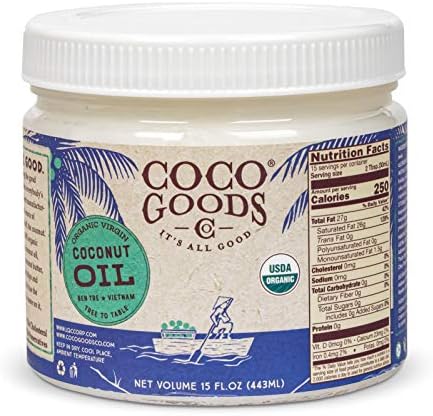
When shopping for unrefined virgin coconut oil, you're likely looking for a versatile, chemical-free option for cooking, baking, or skincare. This CocoGoodsCo product is single-origin, organic, cold-pressed, and comes in a 15 fl. oz glass jar, but understanding key factors will help you decide if it's right for you.
Key Considerations Before Buying
- Extraction method matters: Cold-pressed oils retain more nutrients and flavor than refined ones, but they also have a lower smoke point (around 350°F), making them best for medium-heat cooking and raw uses.
- Certifications ensure quality: Look for USDA Organic and Non-GMO Project Verified seals to avoid pesticides and GMOs. This product carries both, plus it's gluten-free and cholesterol-free, appealing to diverse dietary needs.
- Packaging affects freshness: Coconut oil in glass jars (like this one) is less likely to absorb odors and is more sustainable than plastic. Dark glass further protects against light degradation, so check if the jar is tinted.
What Our Analysts Recommend
Prioritize unrefined, virgin coconut oil that is cold-pressed and organic. Check for a mild coconut aroma and white color—yellowing or a rancid smell indicates poor quality or age. Also consider the jar size: 15 fl. oz is a good trial size, but larger sizes offer better value if you use it frequently.
Coconut Market Context
Market Overview
The coconut oil market has grown steadily as consumers seek natural, multi-purpose products. Unrefined virgin coconut oil is particularly popular for its perceived health benefits and versatility in cooking and personal care. However, the market is crowded with brands varying widely in quality and price.
Common Issues
A common issue is mislabeling: some products claim to be 'virgin' or 'cold-pressed' but are actually refined or processed with heat. Another concern is adulteration with cheaper oils, though this is less common in reputable organic brands. Additionally, coconut oil can go rancid if stored improperly, so packaging and freshness matter.
Quality Indicators
High-quality unrefined virgin coconut oil should be solid below 76°F, melt clear, and have a fresh coconut scent. Certifications like USDA Organic and Non-GMO Project Verified add assurance. Look for single-origin labels, which indicate traceability and often better quality control.
Review Authenticity Insights
Grade B Interpretation
A Grade B authenticity rating with an estimated 15% fake reviews means that while most reviews are likely genuine, there's a notable minority of suspicious ones. This is common for popular products, but it means you should read reviews with some skepticism, especially overly glowing ones.
Trust Recommendation
Trust the adjusted rating of 4.6/5 more than the perfect 5.0. This suggests the product is generally well-received, but not flawless. Focus on reviews that mention specific uses and compare them to your needs, and be wary of reviews that lack detail or sound templated.
Tips for Reading Reviews
Look for reviews that describe personal experiences with taste, texture, or results over time. Pay attention to negative reviews that cite issues like rancidity or packaging problems, as they can reveal consistent flaws. Also, check the reviewer's history to gauge credibility.
Expert Perspective
CocoGoodsCo's Single-Origin Organic Unrefined Virgin Coconut Oil appears to be a solid choice for those seeking a high-quality, versatile coconut oil. The 4.6/5 adjusted rating from 335 reviews indicates strong satisfaction, and the product's certifications and cold-pressed method align with premium standards. However, the 15% estimated fake reviews suggest some caution is warranted, though the overall sentiment is positive.
Purchase Considerations
Consider your intended use: if you need a neutral oil for high-heat cooking, unrefined coconut oil may not be ideal due to its low smoke point. Also, the 15 fl. oz size is smaller than some bulk options, so frequent users might find it less economical. The glass jar is a plus for quality but adds weight for shipping.
Comparing Alternatives
Before buying, compare with similar organic, cold-pressed coconut oils from brands like Nutiva or Viva Naturals, which may offer larger sizes or different origins. Reading reviews for those can help you make a more informed choice.


