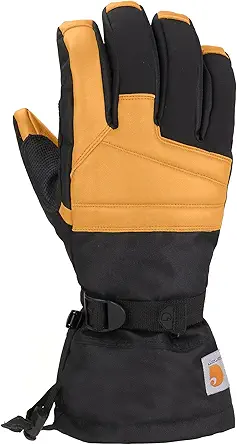
How to Choose Extreme Cold Weather Mitts That Actually Perform
Superior Glove's SNOWD200 mitts are designed for extreme cold, featuring insulated leather construction and long nylon cuffs for deep snow protection. Before buying, understand how materials, insulation, and fit affect warmth and dexterity in sub-zero conditions.
Key Considerations Before Buying
- Insulation type and thickness: Look for mitts rated for specific temperature ranges; inferior insulation compresses over time and loses loft, while quality synthetics like Thinsulate or PrimaLoft retain warmth even when damp.
- Cuff design and length: Long cuffs (like the SNOWD200's nylon extensions) prevent snow from entering during deep powder activities, but they must integrate with your jacket sleeve to avoid gaps.
- Leather quality and treatment: Full-grain leather offers durability and grip, but untreated leather stiffens in cold; look for water-resistant finishes and reinforced palms for tasks like shoveling or snowmobiling.
What Our Analysts Recommend
Prioritize mitts with sealed seams, removable liners for drying, and articulated fingers or a trigger-finger design for dexterity. Check that the leather is thick enough to resist abrasion but supple enough for grip, and ensure the insulation is rated for the temperatures you'll face.
Cold Weather Gloves Market Context
Market Overview
The cold weather gloves market is saturated with options ranging from cheap knit mittens to technical expedition mitts. Consumers increasingly seek verified temperature ratings and durable materials, but many products overpromise warmth without adequate insulation or construction.
Common Issues
Common complaints include insulation that clumps after washing, leather that cracks in extreme cold, and cuffs that are too short to keep snow out. Sizing inconsistencies are also prevalent, with some brands running small, leading to restricted circulation and cold hands.
Quality Indicators
High-quality cold weather mitts use branded insulation (e.g., 3M Thinsulate), full-grain leather with reinforced stress points, and seamless construction to prevent cold spots. Look for mitts with adjustable wrist straps and long cuffs that can be worn over or under jacket sleeves.
Review Authenticity Insights
Grade B Interpretation
A Grade B authenticity rating with an estimated 10% fake review percentage means most reviews are genuine, but a small portion may be incentivized or exaggerated. The adjusted rating of 4.20/5 (down from 4.44) suggests that after removing suspicious reviews, the product still performs well but with slightly more mixed feedback.
Trust Recommendation
Trust the overall sentiment but scrutinize reviews that lack specifics or use overly promotional language. Focus on reviews that mention temperature ranges, duration of use, and comparisons to other brands, as these are harder to fake and more informative.
Tips for Reading Reviews
When reading reviews for cold weather mitts, look for details about actual temperatures tested, activities performed (e.g., snow blowing, ice fishing), and fit relative to hand size. Reviews that mention durability over multiple seasons are especially valuable.
Expert Perspective
The Superior Glove SNOWD200 mitts appear to be a solid choice for extreme cold, with a 4.44 rating from 677 reviewers and an adjusted 4.20 indicating generally positive experiences. The long nylon cuffs and insulated leather construction align with features sought by users in harsh winter conditions. However, the 10% fake review estimate warrants some caution, and the size large may fit differently than expected.
Purchase Considerations
Weigh the mitts' specific temperature ratings against your local climate and intended activities. Consider whether the long cuffs will fit comfortably with your winter gear, and check return policies in case sizing is off. The price point relative to insulation quality and leather durability is also key.
Comparing Alternatives
Compare with other extreme cold mitts like those from Outdoor Research or Hestra, which offer similar features but may have different insulation and fit characteristics.