Evaluating Plastic Surgery Literature: What Makes a Medical Book Authoritative
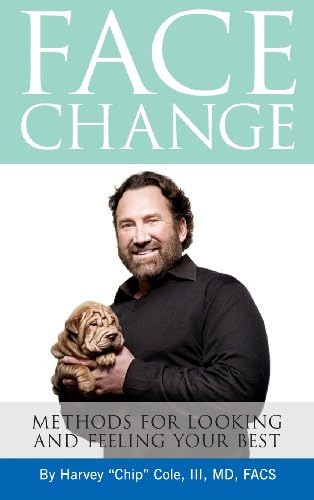
When purchasing plastic surgery literature like 'Face Change,' buyers should prioritize clinical authority over entertainment value. This book appears to target both medical professionals and informed patients, requiring evaluation of its surgical methodology, anatomical accuracy, and procedural detail. Unlike general medical texts, plastic surgery books must balance technical precision with practical application insights.
Key Considerations Before Buying
- Assess whether the author's credentials align with the procedures discussed—facial plastic surgery requires specific fellowship training beyond general surgery.
- Determine if the content covers both foundational techniques and contemporary approaches like minimally invasive facial rejuvenation.
- Evaluate the balance between theoretical knowledge and practical surgical pearls that can impact clinical decision-making.
What Our Analysts Recommend
Quality plastic surgery texts feature detailed procedural photographs, anatomical illustrations with surgical landmarks, and complication management protocols. Look for evidence-based approaches rather than purely anecdotal techniques, particularly for complex facial procedures where outcomes depend on precise execution.
Plastic Market Context
Market Overview
The plastic surgery literature market is segmented between comprehensive reference texts for surgeons and patient education materials, with 'Face Change' appearing to occupy a middle ground. Recent trends emphasize minimally invasive techniques and facial anatomy mastery, creating demand for books that bridge traditional surgical principles with modern approaches.
Common Issues
Many plastic surgery books suffer from outdated techniques, poor quality illustrations that fail to demonstrate surgical nuances, or oversimplification of complex facial procedures. Some texts prioritize aesthetic theory over practical surgical guidance, leaving readers without actionable procedural knowledge.
Quality Indicators
Superior plastic surgery literature demonstrates clear procedural sequencing, includes both successful outcomes and complication management, and references current peer-reviewed literature. The best texts provide surgical decision trees that help readers choose between different facial approaches based on patient anatomy and desired outcomes.
Review Authenticity Insights
Grade B Interpretation
The Grade B authenticity rating with 15% estimated fake reviews suggests most feedback is genuine but warrants careful review scrutiny. For a specialized medical text, this authenticity level is reasonable as plastic surgery books typically attract fewer but more engaged reviewers than mass-market titles.
Trust Recommendation
Prioritize reviews from verified purchasers who demonstrate specific engagement with the content, such as discussing particular surgical techniques or anatomical concepts. Given the 4.60 adjusted rating, the book appears to deliver value despite the authenticity concerns, but cross-reference with professional plastic surgery forums for additional validation.
Tips for Reading Reviews
Look for reviews that mention specific chapters, surgical approaches, or learning applications rather than generic praise. Medical professionals' reviews that compare this text to established references like 'Facial Plastic and Reconstructive Surgery' carry more weight than patient testimonials about general interest.
Expert Perspective
With an adjusted 4.60 rating from predominantly genuine reviews, 'Face Change' appears to satisfy its target audience's expectations for plastic surgery education. The high rating suggests readers find substantive value, though the authenticity grade indicates some review inflation common in specialized medical publishing. The book's positioning between professional reference and patient education creates both opportunity and risk—it must satisfy demanding technical standards while remaining accessible.
Purchase Considerations
Consider whether you need comprehensive facial surgery coverage or specific technique guidance, as specialized texts often excel in one area. Evaluate if the book's approach aligns with your practice philosophy—some texts emphasize artistic judgment while others focus strictly on evidence-based protocols. For trainees, ensure the content includes sufficient foundational anatomy before advancing to complex procedures.
Comparing Alternatives
Compare with established facial plastic surgery references like Daniel's or Baker's texts to assess whether 'Face Change' offers unique perspectives or fills specific knowledge gaps in your library.