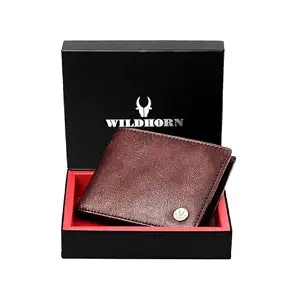
RFID Leather Wallets: What to Check Before You Buy
A men's leather wallet with RFID blocking and a zip compartment is a practical everyday carry choice, but quality varies widely. This BAGMAN model in tan combines vintage styling with modern security features, so understanding the trade-offs between leather type, blocking effectiveness, and build quality is essential.
Key Considerations Before Buying
- RFID blocking effectiveness depends on the internal shielding material; look for wallets that specify 13.56 MHz protection and ensure the blocking layer covers all card slots, not just the main compartment.
- Leather quality is paramount: full-grain or top-grain leather develops a patina and lasts for years, while bonded leather peels and cracks; check for descriptions that specify genuine leather rather than 'leather-like' materials.
- The zip compartment adds security for coins or receipts but can add bulk; consider whether you need quick access to coins or prefer a slimmer profile, and check the zipper quality (metal vs. plastic) for durability.
What Our Analysts Recommend
Inspect stitching density and evenness—tight, consistent stitches indicate better construction. Look for reinforced stress points at card slots and seams, and check reviews for mentions of leather smell, which can indicate chemical treatments in lower-quality hides.
Wallets Market Context
Market Overview
The men's wallet market is saturated with options ranging from budget synthetic models to luxury leather goods. RFID-blocking technology has become increasingly common, but many affordable wallets use thin metallic liners that can wear out over time, compromising protection.
Common Issues
Common complaints in this category include leather that cracks at fold points, card slots that stretch out and lose grip, and RFID blocking that fails after months of use. Zippers on wallets are also a frequent failure point, especially if they are plastic or poorly aligned.
Quality Indicators
High-quality wallets often use YKK zippers, have leather that feels supple yet sturdy, and feature stitching that is tight and uniform. Brands that offer warranties or have a history of craftsmanship are more likely to deliver durable products.
Review Authenticity Insights
Grade B Interpretation
A Grade B authenticity rating with an estimated 15% fake review percentage means that while most reviews are likely genuine, there is a moderate risk of inflated ratings. The adjusted rating of 4.50/5 still indicates strong customer satisfaction, but it's wise to approach the perfect 4.83/5 with some caution.
Trust Recommendation
Given the small number of reviews (7), the adjusted rating is a more reliable indicator than the raw score. Focus on reviews that mention specific details like leather quality and RFID performance, and be skeptical of overly generic praise.
Tips for Reading Reviews
Look for reviews that discuss long-term use (e.g., 'after six months') and include photos. Pay attention to complaints about durability or RFID effectiveness, as these are common pain points that fake reviews might gloss over.
Expert Perspective
The BAGMAN RFID Blocking Vintage Leather Wallet appears to be a solid choice for those seeking a stylish, functional wallet with added security. The high adjusted rating and low fake review percentage suggest genuine customer satisfaction, but the limited number of reviews means less data to draw from. The tan vintage leather and zip compartment are appealing features, but potential buyers should verify the leather type and RFID shielding quality.
Purchase Considerations
Weigh the importance of RFID protection against the wallet's bulk and price. If you carry many cards, ensure the capacity meets your needs; if you prefer minimalism, the zip compartment might be unnecessary. Also, consider the warranty and return policy, as leather goods can have defects.
Comparing Alternatives
Compare with other RFID wallets from established brands like Travando or Buffway, which have more extensive review histories and may offer similar features at competitive prices.