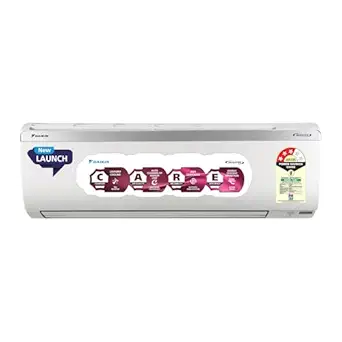
Evaluating Midea's 2026 Convertible AC: Balancing Features, Efficiency, and Indian Climate Performance
The Midea Santis Max DLX-MAI18SD3R36F0 is a feature-rich 1.5-ton inverter AC targeting Indian consumers seeking smart cooling with air purification. Its convertible 6-in-1 cooling modes and HD+PM 2.5 filter position it as a multi-season solution, but buyers must assess whether these premium features justify the investment over more basic 3-star inverter models. Understanding how its Auto Intelligence and Turbo Mode translate to real-world performance in Indian room sizes and power conditions is crucial.
Key Considerations Before Buying
- The 'Convertible 6-in-1' feature allows tonnage adjustment from 40% to 110%—evaluate if your usage patterns (single room vs. varying occupancy) will benefit from this flexibility versus a fixed-capacity inverter.
- The HD+PM 2.5 filter requires periodic maintenance; consider your local air quality and willingness to clean/replace filters versus opting for a standard copper coil-only model.
- Midea's 2026 model year suggests updated components, but verify warranty coverage (especially on the inverter compressor) and service network availability in your specific Indian region.
What Our Analysts Recommend
For this category, prioritize verified performance metrics like ISEER (Indian Seasonal Energy Efficiency Ratio) rating—this 3-star model should have a published ISEER above 4.0. Examine the copper condenser's build quality and corrosion protection, critical for India's humid climates. Genuine reviews often detail cooling speed in square feet/meters and noise levels in sleep mode.
Split-System Air Conditioners Market Context
Market Overview
India's split AC market is fiercely competitive, with brands like Midea challenging established players by packing advanced features (convertible cooling, air purification) into mid-range 3-star inverter models. The 1.5-ton segment dominates due to its suitability for most Indian bedroom and living room sizes (150-180 sq ft).
Common Issues
Buyers frequently report discrepancies between advertised energy savings and actual electricity bills, often due to improper installation or unrealistic usage expectations. Other complaints involve inconsistent performance of 'auto' modes in extreme humidity and variable voltage areas, and filter maintenance being more demanding than anticipated.
Quality Indicators
Look for detailed specifications on compressor type (rotary inverter preferred), refrigerant (R32 is now standard), and copper gauge thickness (heavier is better for longevity). Genuine user reviews that mention long-term reliability (2+ seasons), after-sales service responsiveness, and real-world noise levels are more valuable than generic praise.
Review Authenticity Insights
Grade B Interpretation
A Grade B with 15% estimated fake reviews indicates a generally trustworthy review pool, but suggests some incentivized or biased feedback exists. The drop from 4.56 to 4.20 when adjusting for suspicious reviews is significant—it means the 'true' consensus is still positive but more moderate.
Trust Recommendation
Focus on the 85% of authentic reviews, particularly those discussing specific features like the Turbo Mode's actual cooling time or the Auto Clean function's effectiveness. Be skeptical of reviews that only generically praise 'great cooling' without context about room size, ambient temperature, or installation details.
Tips for Reading Reviews
For this technical product, prioritize reviews that mention installation quality, voltage stabilizer usage (critical in many Indian areas), and month-by-month performance through summer and monsoon. Reviews discussing the convertible mode's impact on electricity bills in different settings (e.g., night vs. day use) offer high-value insights.
Expert Perspective
The Midea Santis Max presents a compelling feature set for its category, particularly the convertible cooling and integrated air filter, which are uncommon in many 3-star inverter models. The 4.20 adjusted rating from verified purchasers suggests solid satisfaction, though not exceptional. Its value proposition hinges on whether you'll actively use the 6-in-1 modes and PM 2.5 filtration—if not, a simpler inverter AC might offer better value. The 2026 model designation and copper construction are positive indicators of updated engineering.
Purchase Considerations
Weigh the added cost of the convertible and filtration features against your local climate needs—if you live in a region with moderate pollution and stable occupancy patterns, these features may be underutilized. Ensure your electric circuit can handle the initial high draw during Turbo Mode startup, a common issue in older Indian homes.
Comparing Alternatives
Compare this model's ISEER rating, warranty terms, and feature set directly against similar 1.5-ton 3-star inverters from Voltas, Daikin, and LG to assess relative value.